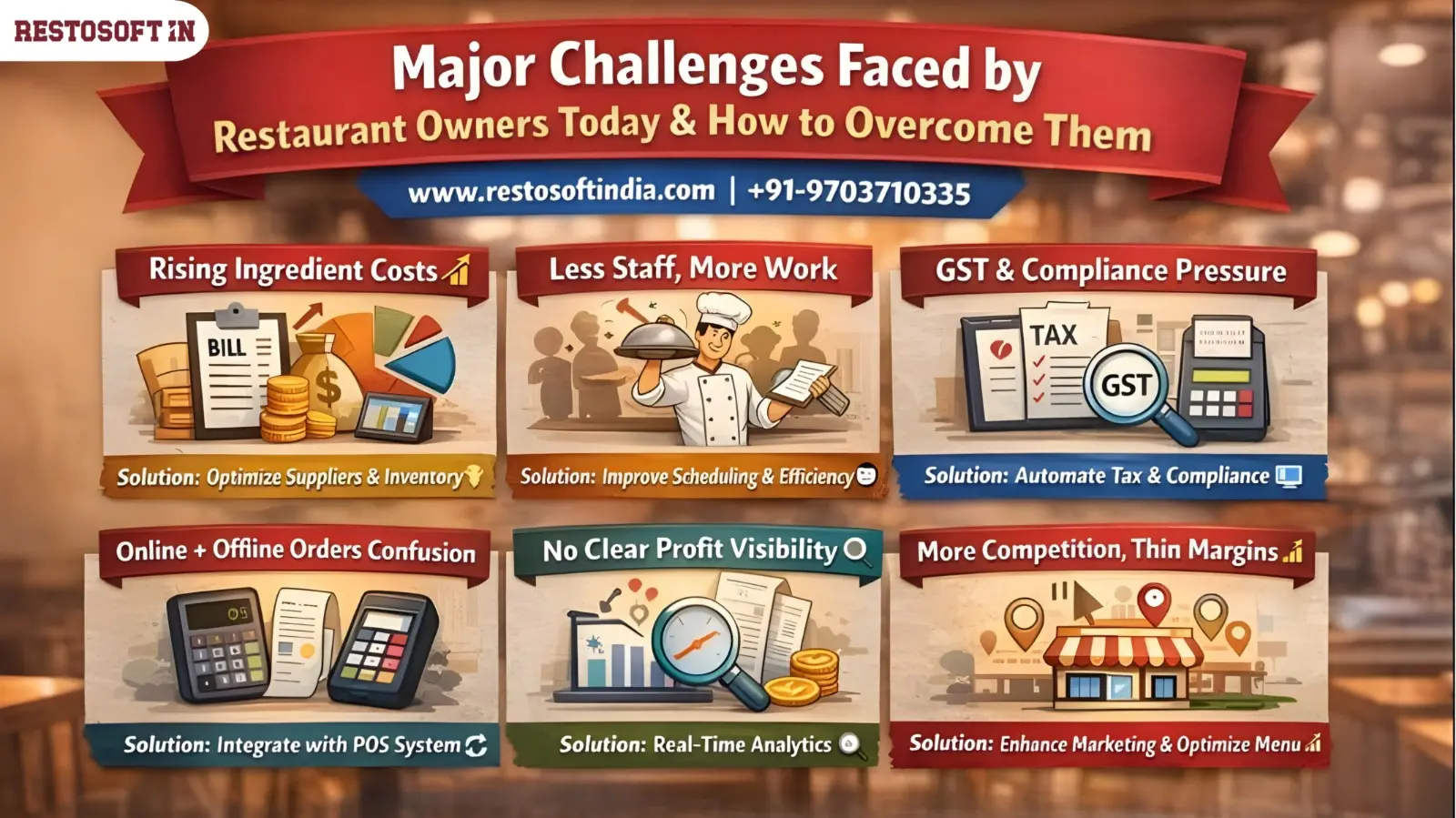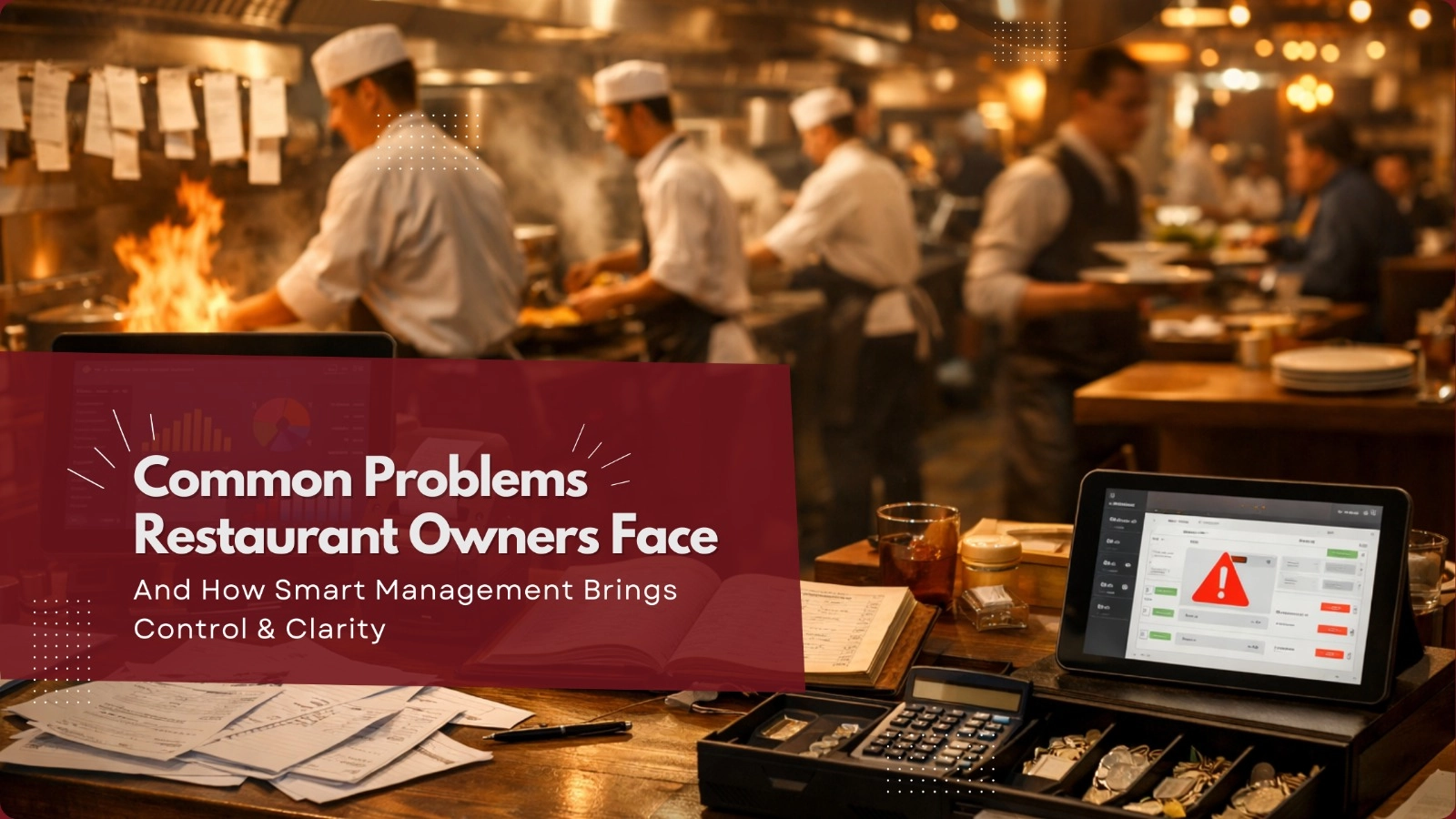
Running a restaurant is not just about food and service. Behind the scenes, owners handle multiple responsibilities every single day. When everything is managed manually, small mistakes slowly turn into major financial and operational problems.
Here are some common problems restaurant owners face without a structured management system:
1. Manual Records & Reporting Errors
Many restaurants still depend on handwritten registers for:
- Daily sales reports
- Expense tracking
- Purchase entries
- Cash summaries
Manual calculations take time and often lead to mistakes. One missed entry or wrong total can disturb the entire day's balance. Over time, these small errors create confusion between sales, expenses, and actual cash in hand.
2. Customer Billing & Revenue Leakage
During busy hours, manual billing creates problems like:
- Wrong item entries
- Missed orders
- Incorrect tax calculations
- Duplicate or missing bills
Even a single unbilled order affects revenue. Without proper tracking, owners cannot analyze item-wise sales or identify their best-performing dishes. Slow billing also impacts customer satisfaction.
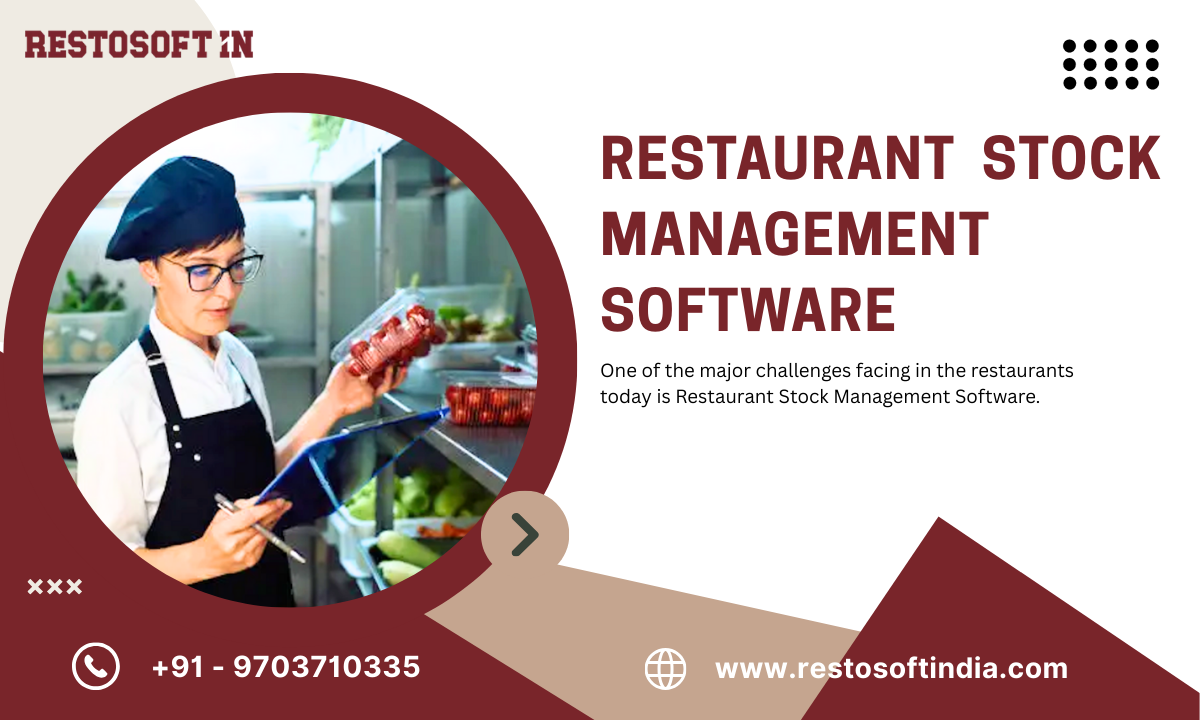
3. Stock Mismanagement & Wastage
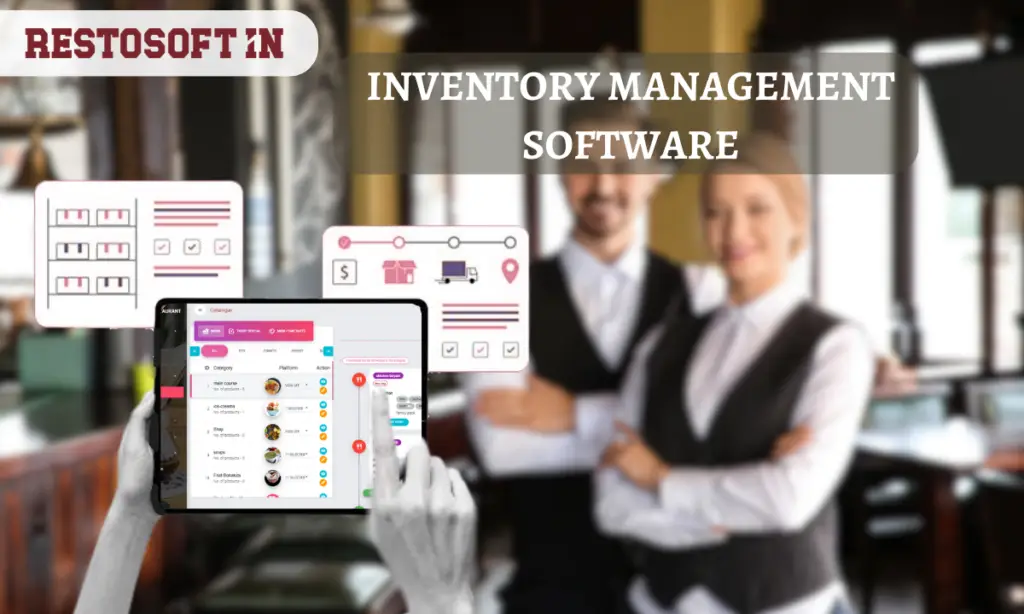
Inventory is one of the most sensitive areas in a restaurant. Without proper tracking:
- Ingredients go missing
- Perishable stock gets wasted
- No real-time stock visibility
- No alerts for low inventory
Sometimes stock runs out during peak hours. Other times, excess purchasing leads to spoilage. Both situations reduce profit margins.
4. Vendor & Purchase Tracking Confusion
Restaurants work with multiple suppliers daily. Manual systems often lead to:
- Lost invoices
- Untracked credit purchases
- Duplicate or delayed payments
- No comparison of purchase price changes
Without clear records, it becomes difficult to verify whether stock received matches the billed amount. This creates financial discrepancies.
5. Employee Shift, Attendance & Salary Issues
Managing staff manually creates several operational problems:
- Shift confusion
- Attendance manipulation
- Overtime miscalculations
- Leave tracking issues
- Salary disputes
Month-end salary calculations become stressful and time-consuming. Poor shift planning also affects service quality and customer experience.
6. Cash Handling & Daily Profit Confusion
Many owners struggle to answer a simple question:
“Are we actually making profit?”
Without accurate tracking, it is difficult to calculate:
- Total daily sales
- Actual expenses
- Wages and vendor payments
- Net profit or loss
Cash mismatches between billing and physical cash create trust issues and internal confusion.
7. Lack of Business Insights & Growth Control
When data is scattered in registers and spreadsheets:
- Owners cannot track peak sales hours
- Item profitability remains unclear
- Expense trends go unnoticed
- Decision-making becomes slow
Without clear insights, business growth becomes limited. Owners spend more time correcting mistakes instead of focusing on expansion, marketing, and improving customer experience.
Overcoming These Challenges:
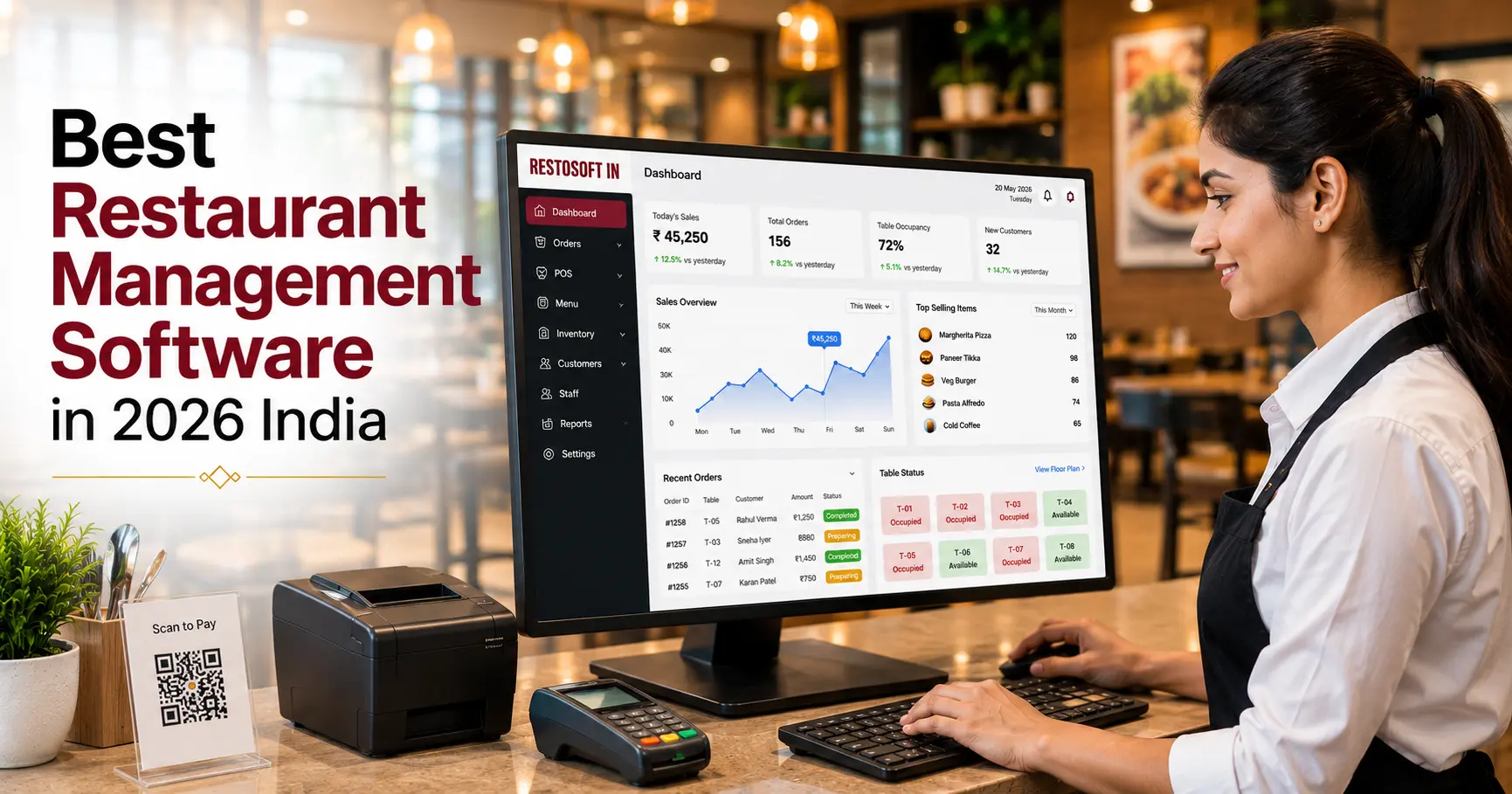
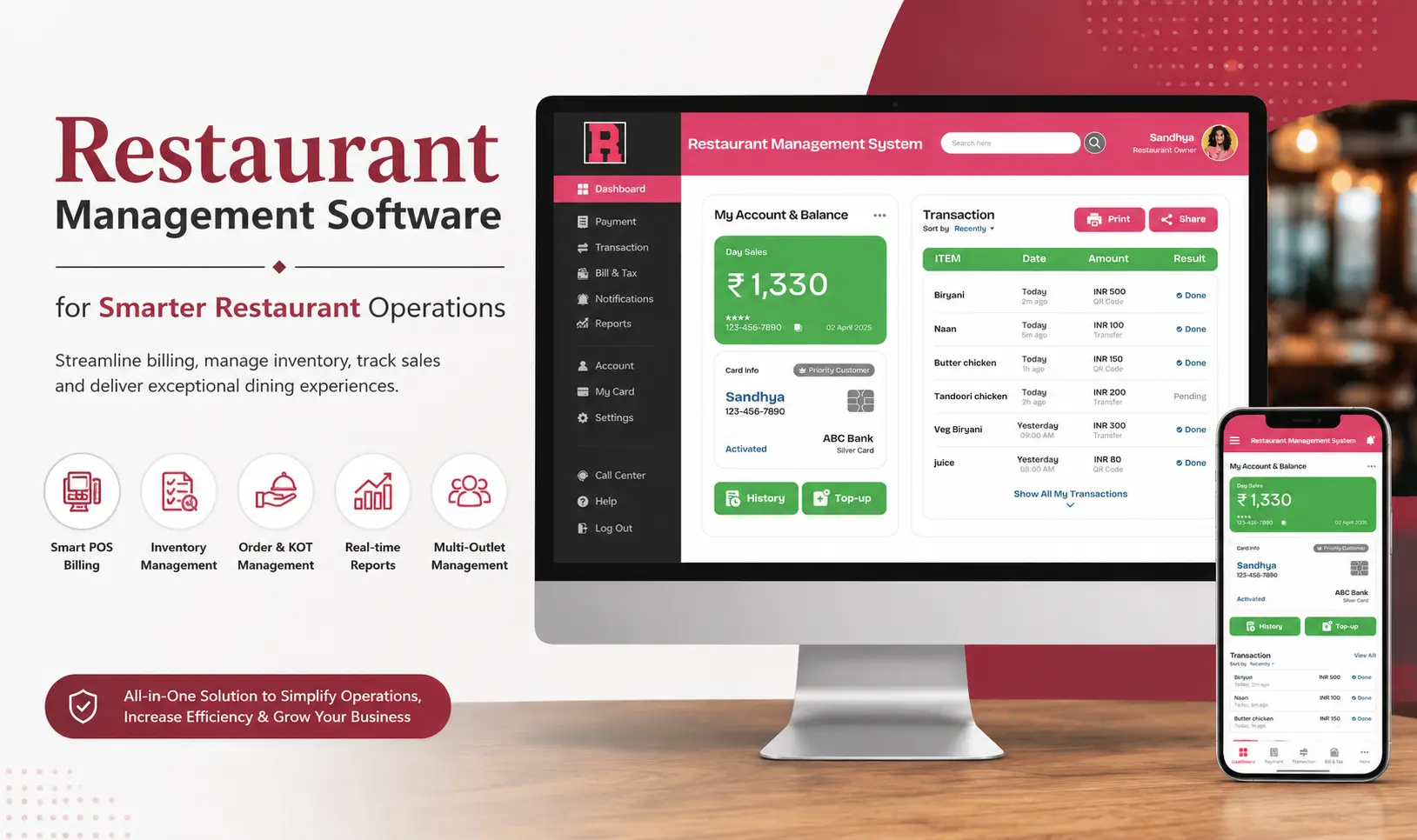
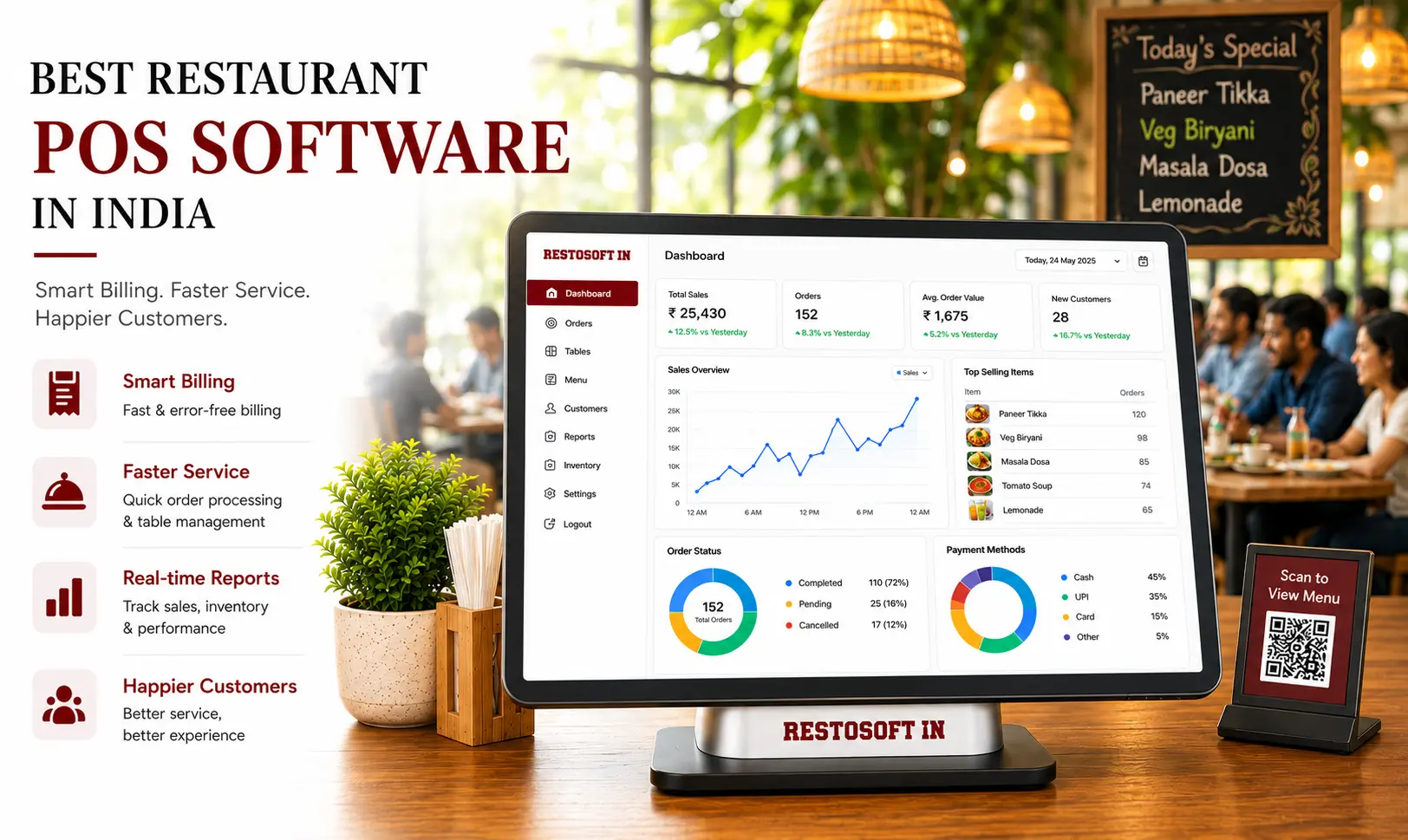
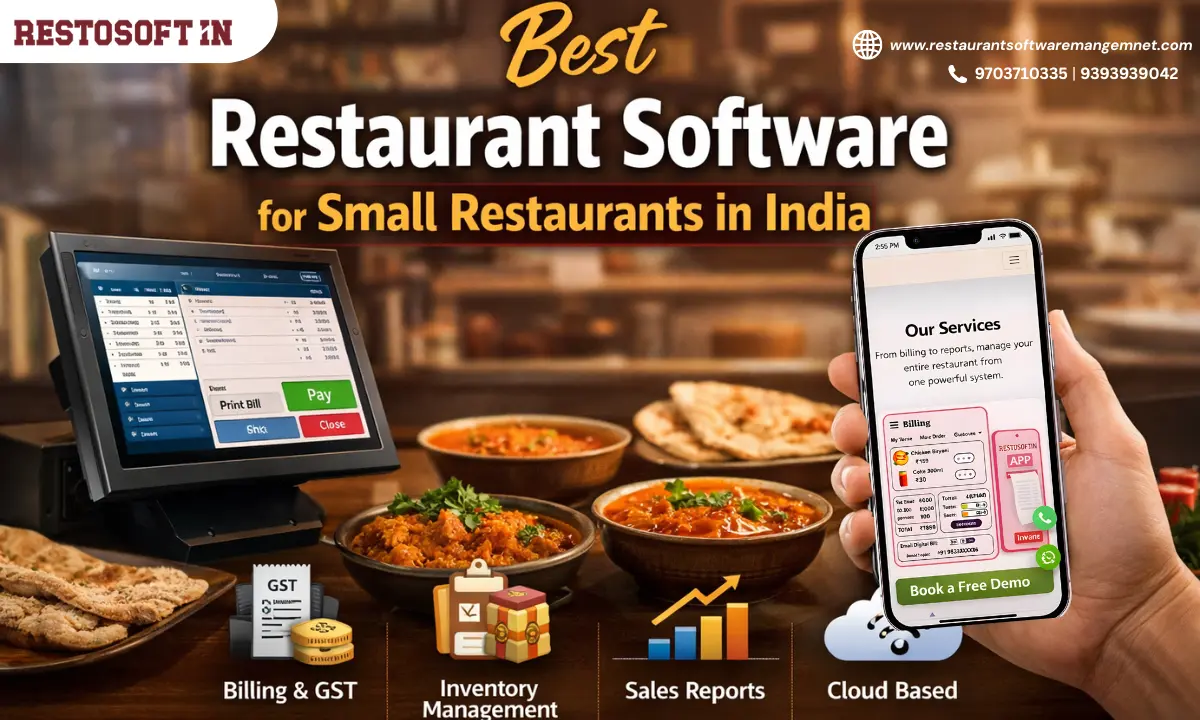
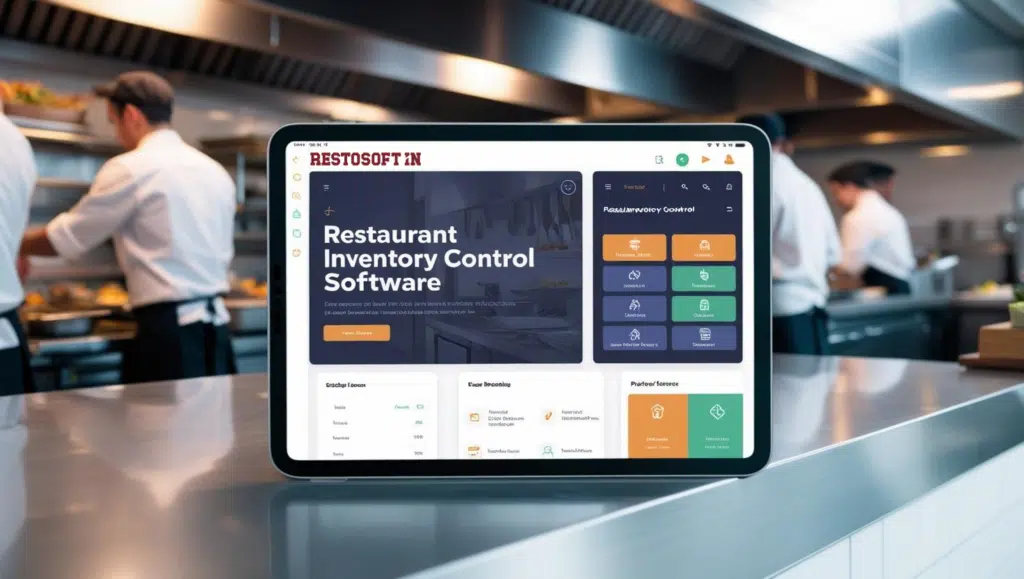
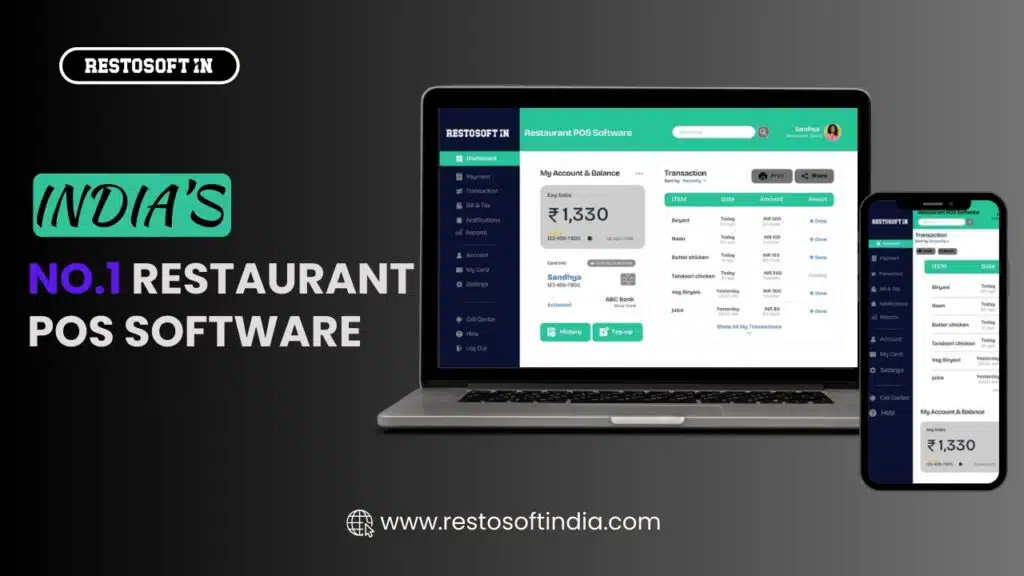
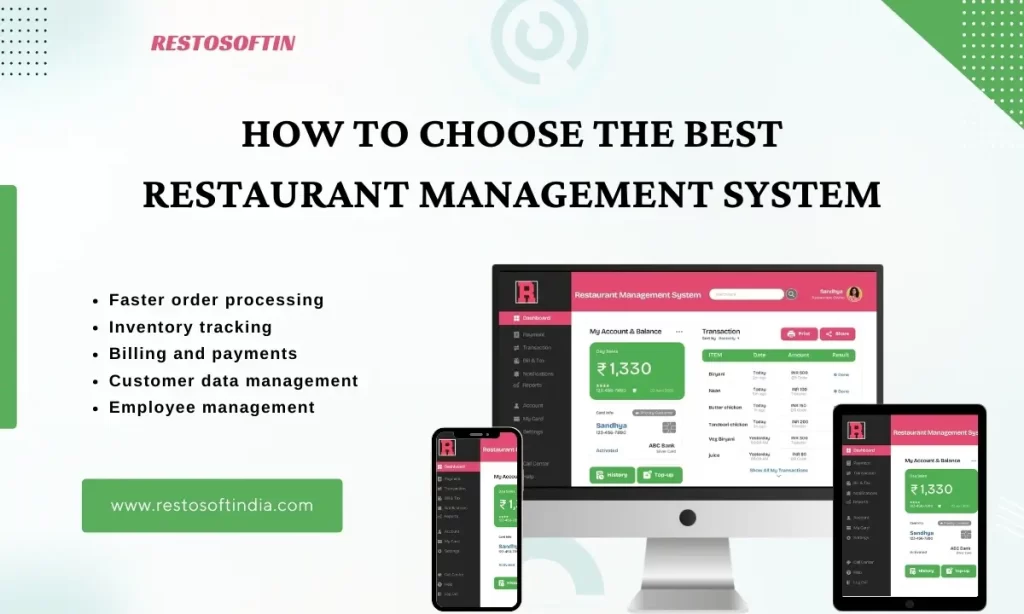
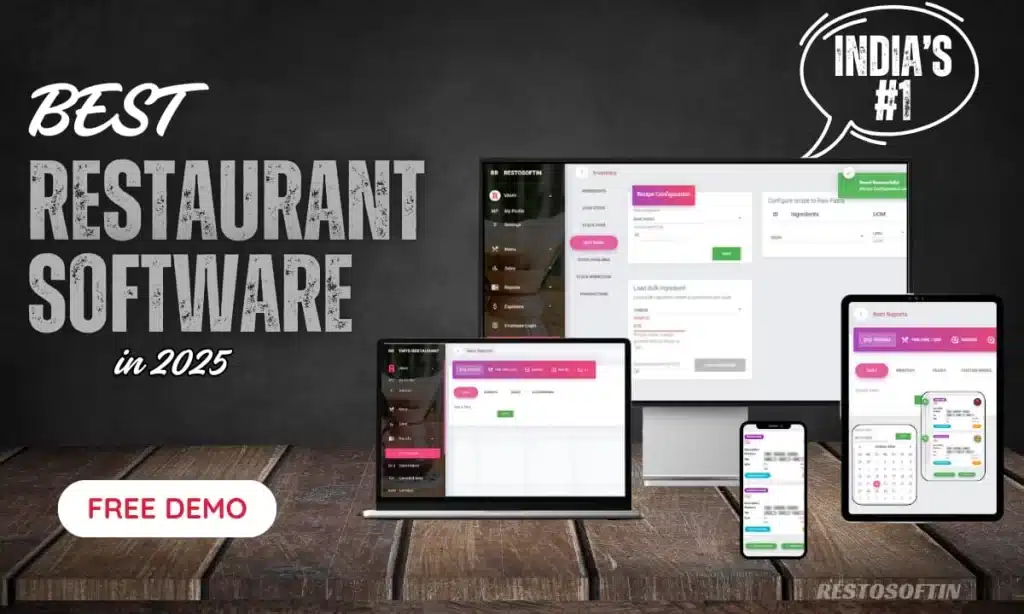
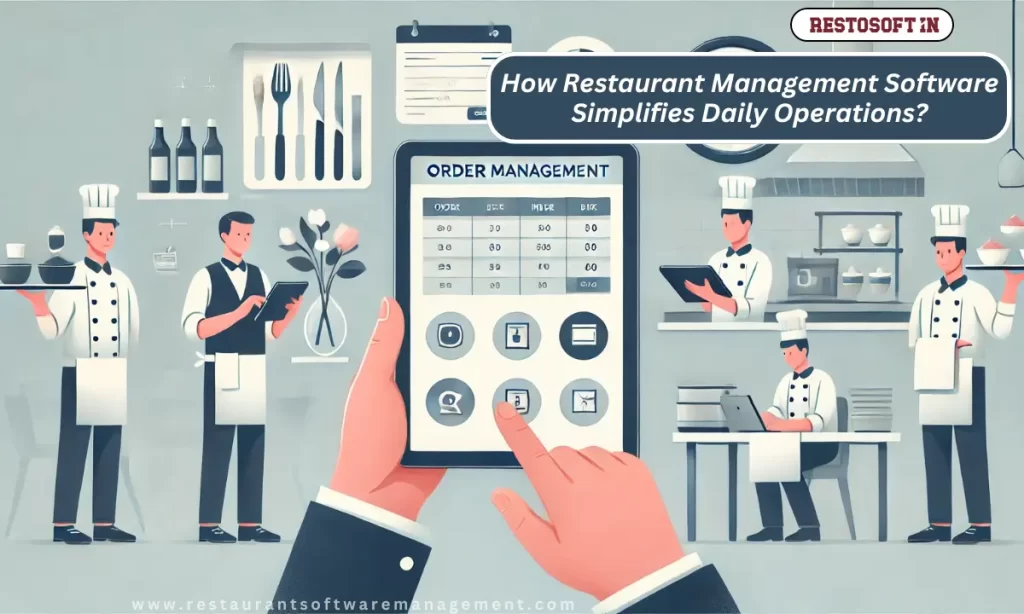
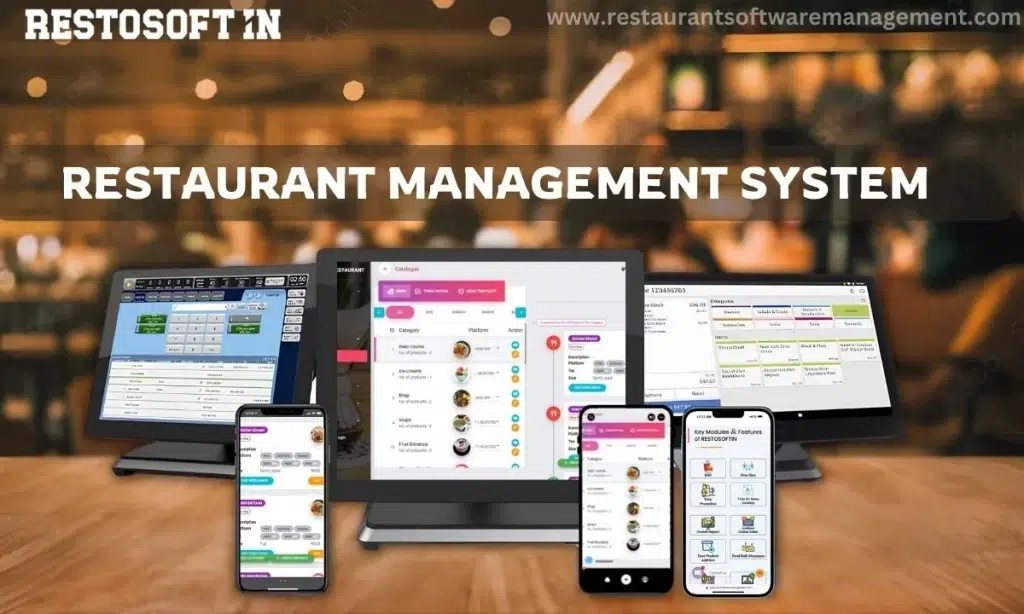
Managing a restaurant manually may work initially, but as operations grow, errors, delays, and financial gaps increase. Implementing a structured management system like RestosoftIN can effectively restrict these challenges. It automates sales and expense tracking, reduces billing mistakes, provides real-time stock visibility, and simplifies staff attendance and salary management. With instant profit reports and better cash control, owners gain clarity, control, and operational efficiencyΓÇöhelping restaurants run smoothly and grow profitably.