The restaurant industry is entering a new era where technology is no longer just a support tool it has become a core part of business success. Rising operational costs, increasing customer expectations, labour shortages, and growing competition are encouraging restaurant owners to adopt smarter and more efficient ways of managing their businesses.
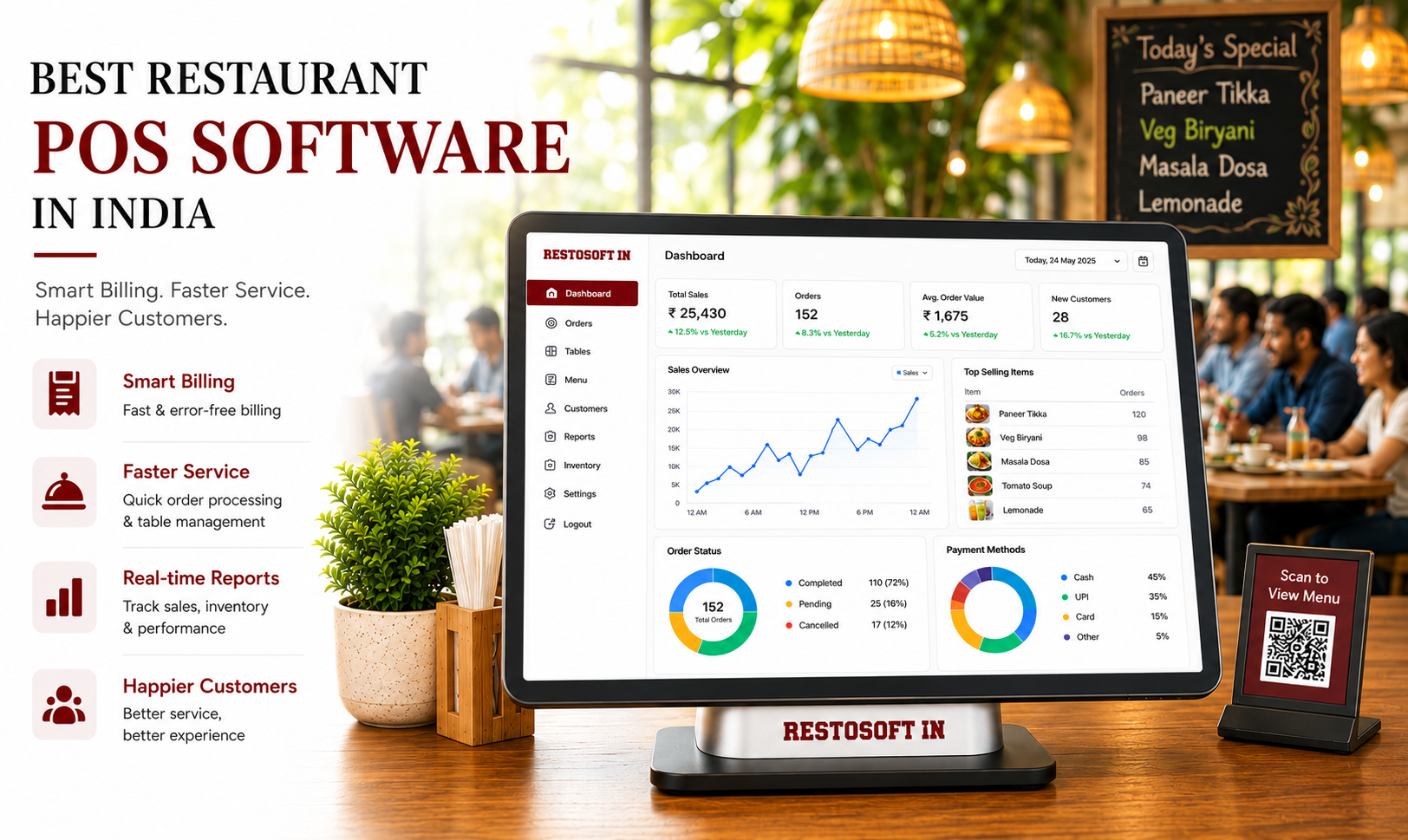
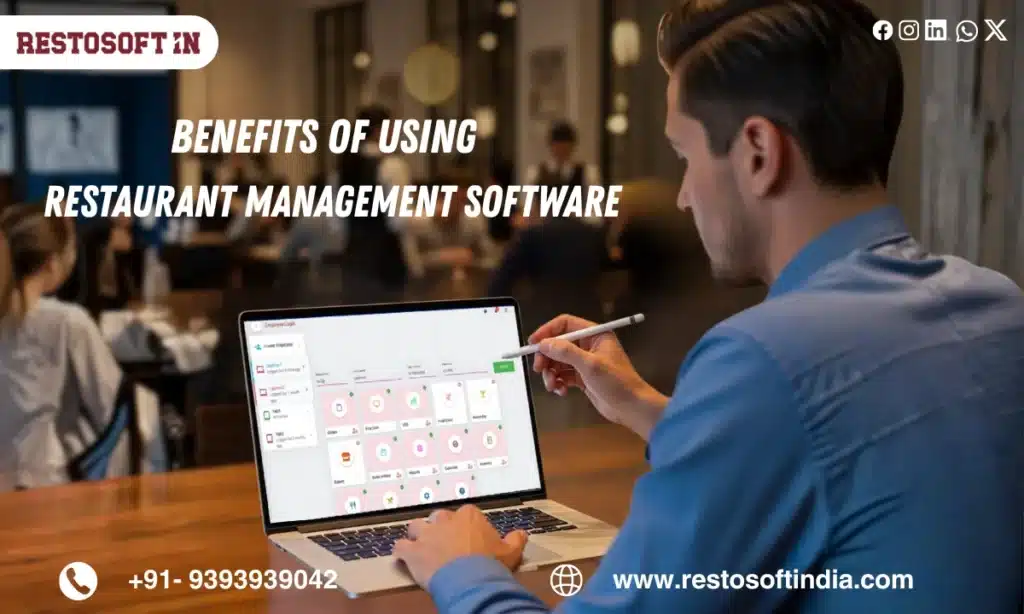
In 2026, restaurants are moving beyond traditional billing systems and manual processes. Businesses are investing in integrated restaurant management software, cloud-based platforms, real-time analytics, inventory intelligence, and artificial intelligence to improve efficiency, reduce costs, and deliver better customer experiences. Solutions like Restosoft are helping restaurants streamline operations, manage inventory effectively, track sales in real time, and gain valuable business insights through a single platform.
Whether you operate a quick-service restaurant, fine dining establishment, cafe, cloud kitchen, or multi-location restaurant chain, understanding the latest restaurant technology trends can help you stay competitive and future-ready.
Why Restaurant Technology Matters More Than Ever
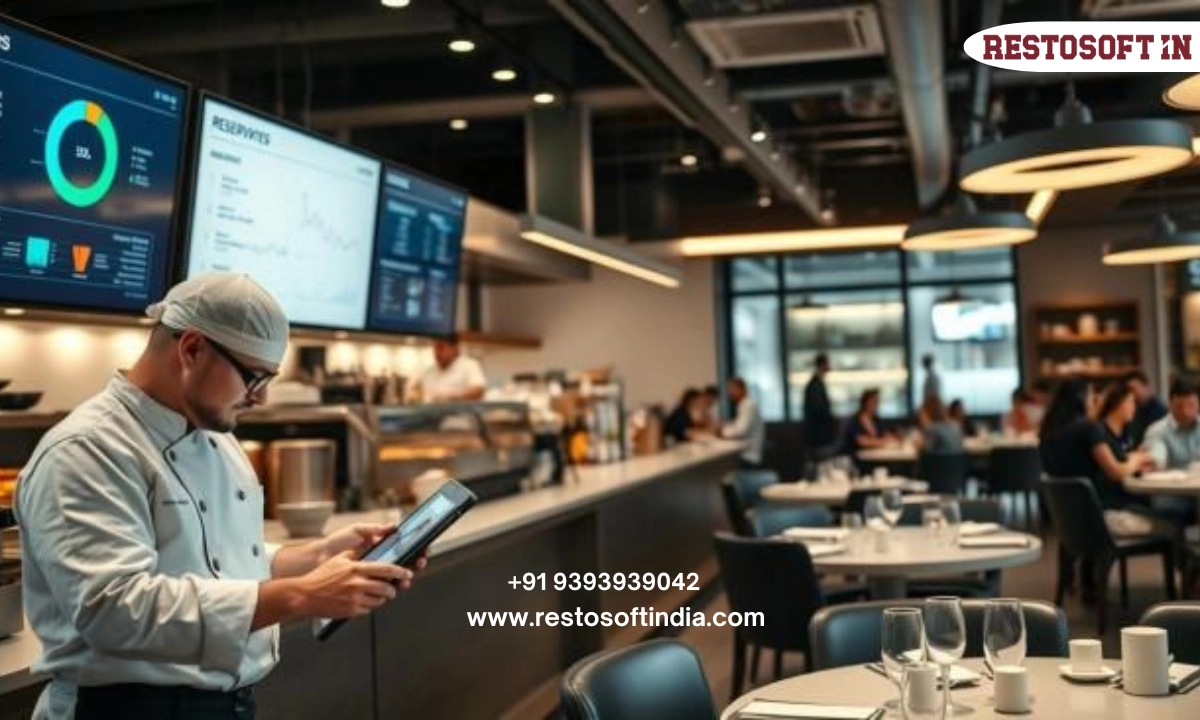
The modern restaurant environment is more complex than ever before. Restaurant owners need visibility into inventory, sales, customer behaviour, staff performance, and profitability all in real time.
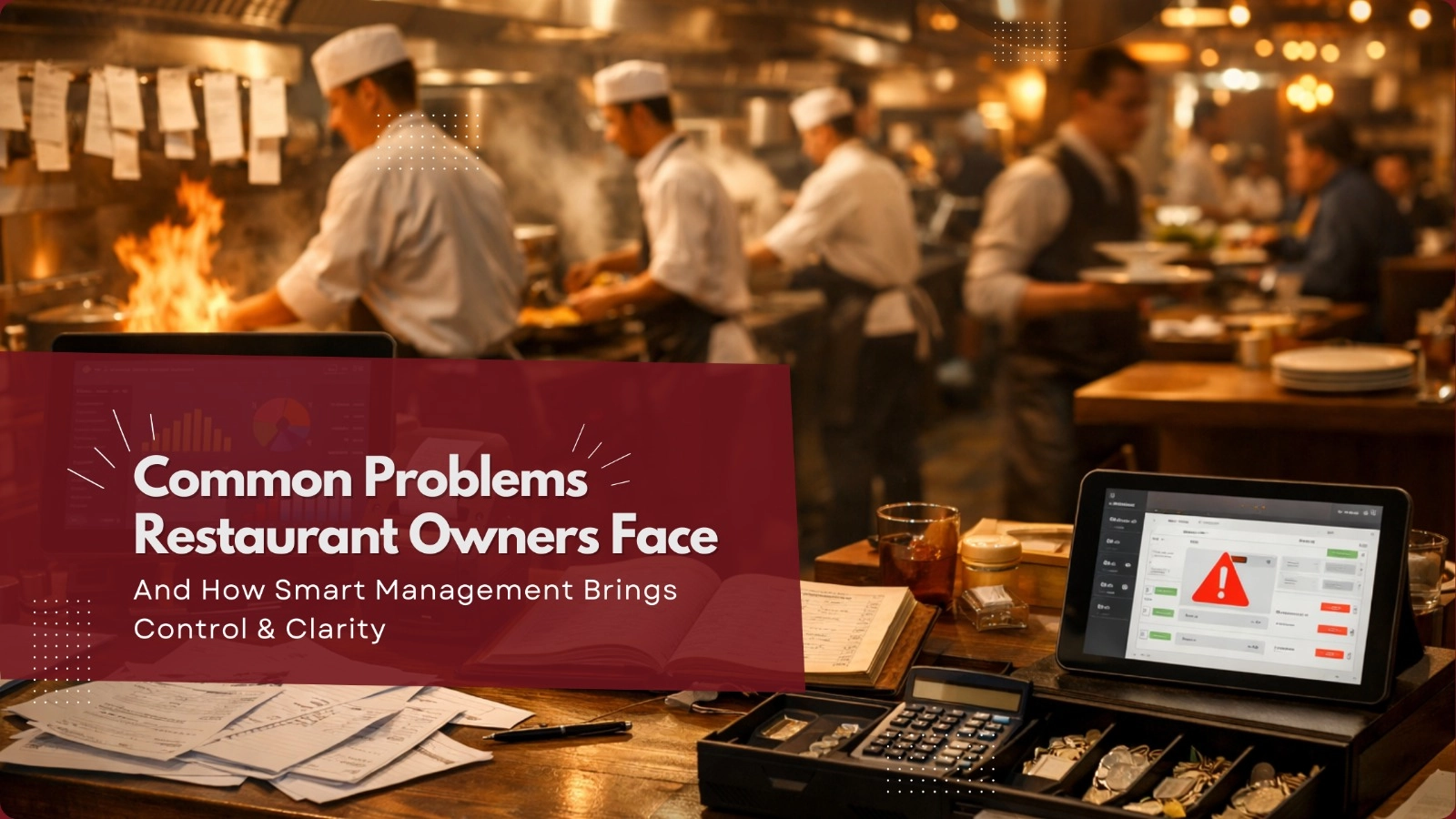
Traditional management methods often create operational challenges, including:
- Manual inventory tracking
- Billing errors
- Delayed reporting
- Stock shortages
- Food wastage
- Lack of business insights
Modern restaurant technology helps eliminate these challenges by connecting operations through a centralized platform.
Businesses that embrace digital transformation can make faster decisions, improve efficiency, and provide a better dining experience for customers.
Traditional Restaurants vs Future-Ready Restaurants
| Traditional Restaurant Operations | Future-Ready Restaurant Operations |
|---|---|
| Manual inventory tracking | Automated inventory monitoring |
| Separate software systems | Integrated restaurant management software |
| End-of-day reporting | Real-time analytics dashboards |
| Spreadsheet-based records | Cloud-based data management |
| Manual order processing | Smart order management workflows |
| Reactive decision-making | Data-driven business intelligence |
| Limited customer insights | Advanced customer analytics |
| Single-location visibility | Multi-location management control |
The shift toward connected restaurant operations is becoming one of the most important industry trends in 2026.
Top Restaurant Technology Trends Transforming the Industry in 2026
AI Is Becoming a Game Changer for Restaurants
Artificial Intelligence (AI) is transforming how restaurants operate and make decisions. Instead of relying on assumptions, restaurant owners can use AI-powered insights to understand business performance and predict future outcomes.
AI can help restaurants:
- Forecast sales demand
- Predict inventory requirements
- Analyze customer preferences
- Identify top-performing menu items
- Generate automated business reports
- Improve operational planning
For example, AI can analyze previous sales trends and recommend how much inventory should be purchased for upcoming days. This reduces overstocking, prevents shortages, and minimizes food waste.
As AI technology continues to evolve, restaurants will increasingly use intelligent systems to automate repetitive tasks and improve profitability.
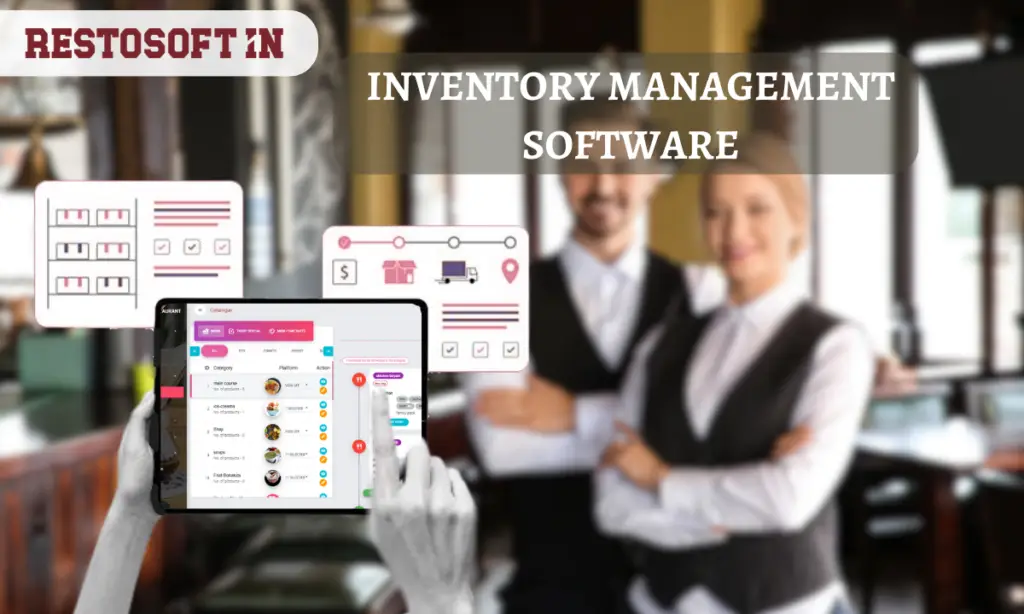
Smart Inventory Management Software Is Reducing Food Waste
Inventory management remains one of the biggest challenges for restaurants worldwide. Poor inventory control can result in excess purchases, expired stock, and unnecessary losses.
Modern restaurant inventory management systems provide complete visibility into stock movement and ingredient consumption.
Benefits include:
- Real-time stock tracking
- Automated low-stock alerts
- Better purchasing decisions
- Reduced food wastage
- Improved vendor management
- Accurate food cost analysis
Restaurants can now monitor inventory levels instantly and make informed purchasing decisions based on actual consumption patterns.
Manual Inventory vs Smart Inventory Management
| Manual Inventory Management | Smart Inventory Management |
|---|---|
| Periodic stock checks | Real-time inventory visibility |
| Spreadsheet tracking | Automated inventory software |
| High risk of human error | Improved inventory accuracy |
| Delayed stock updates | Instant stock monitoring |
| Difficult cost calculations | Automated food cost analysis |
| Reactive purchasing | Predictive inventory planning |
Effective inventory management not only reduces waste but also directly improves restaurant profitability.
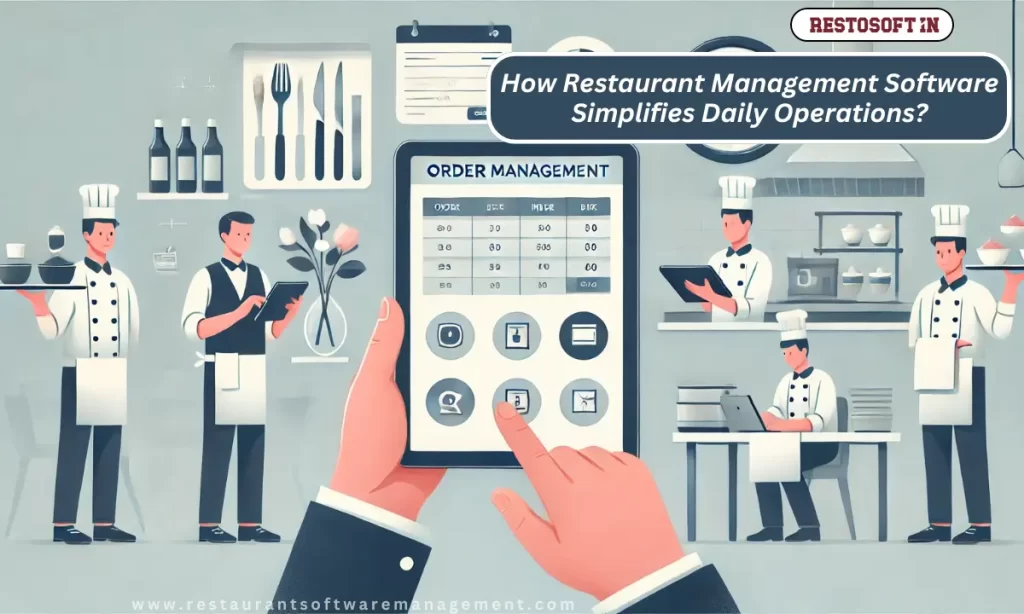
Restaurant Order Management Software Is Becoming Faster and Smarter
Customer expectations continue to rise. Guests expect quick service, accurate orders, and a seamless dining experience.
Traditional order handling methods often create communication gaps between front-of-house staff and kitchen teams. These issues can lead to delays, incorrect orders, and customer dissatisfaction.
A modern restaurant order management system helps streamline the complete ordering process.
Key advantages include:
- Faster order processing
- Better kitchen coordination
- Reduced manual errors
- Improved order accuracy
- Enhanced customer satisfaction
Restaurants that optimize order management can increase efficiency while maintaining consistent service quality.
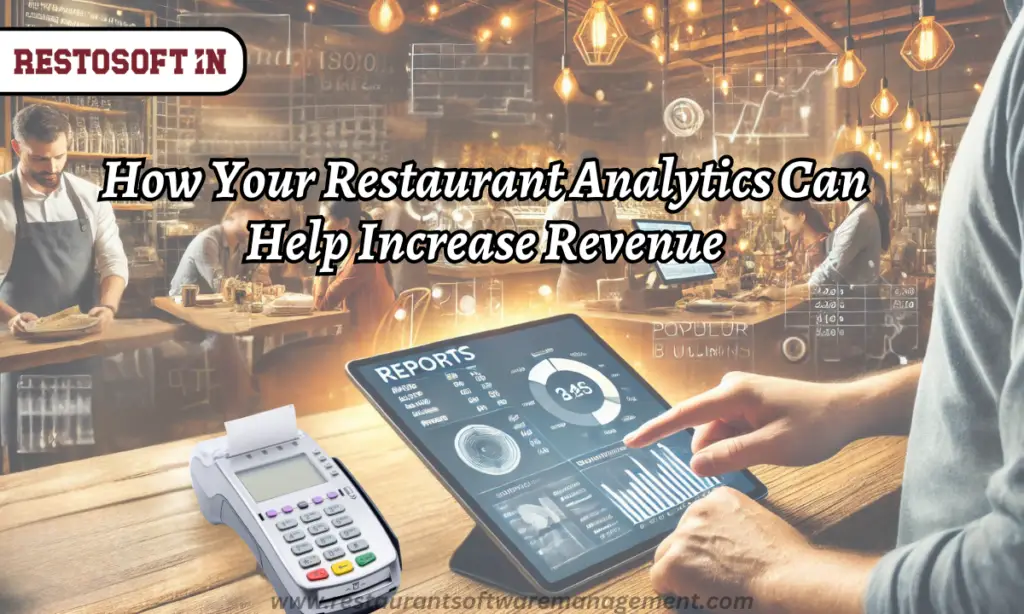
Real-Time Analytics Are Driving Better Business Decisions
One of the most important restaurant technology trends in 2026 is the growing reliance on real-time data.
Successful restaurant owners no longer wait until the end of the week or month to evaluate performance. Instead, they use live business data to make immediate decisions.
Real-time analytics provide insights into:
- Sales performance
- Revenue trends
- Product performance
- Inventory consumption
- Employee productivity
- Customer behaviour
For example, if a menu item is generating strong sales, managers can promote it further. If inventory consumption increases unexpectedly, purchasing decisions can be adjusted immediately.
Data-driven decision-making enables restaurants to improve efficiency, reduce losses, and maximize profitability.
Customer Experience Is Becoming a Technology Strategy

Today's restaurant customers expect convenience, speed, and personalization.
Modern technology allows restaurants to understand customer preferences and deliver more engaging experiences.
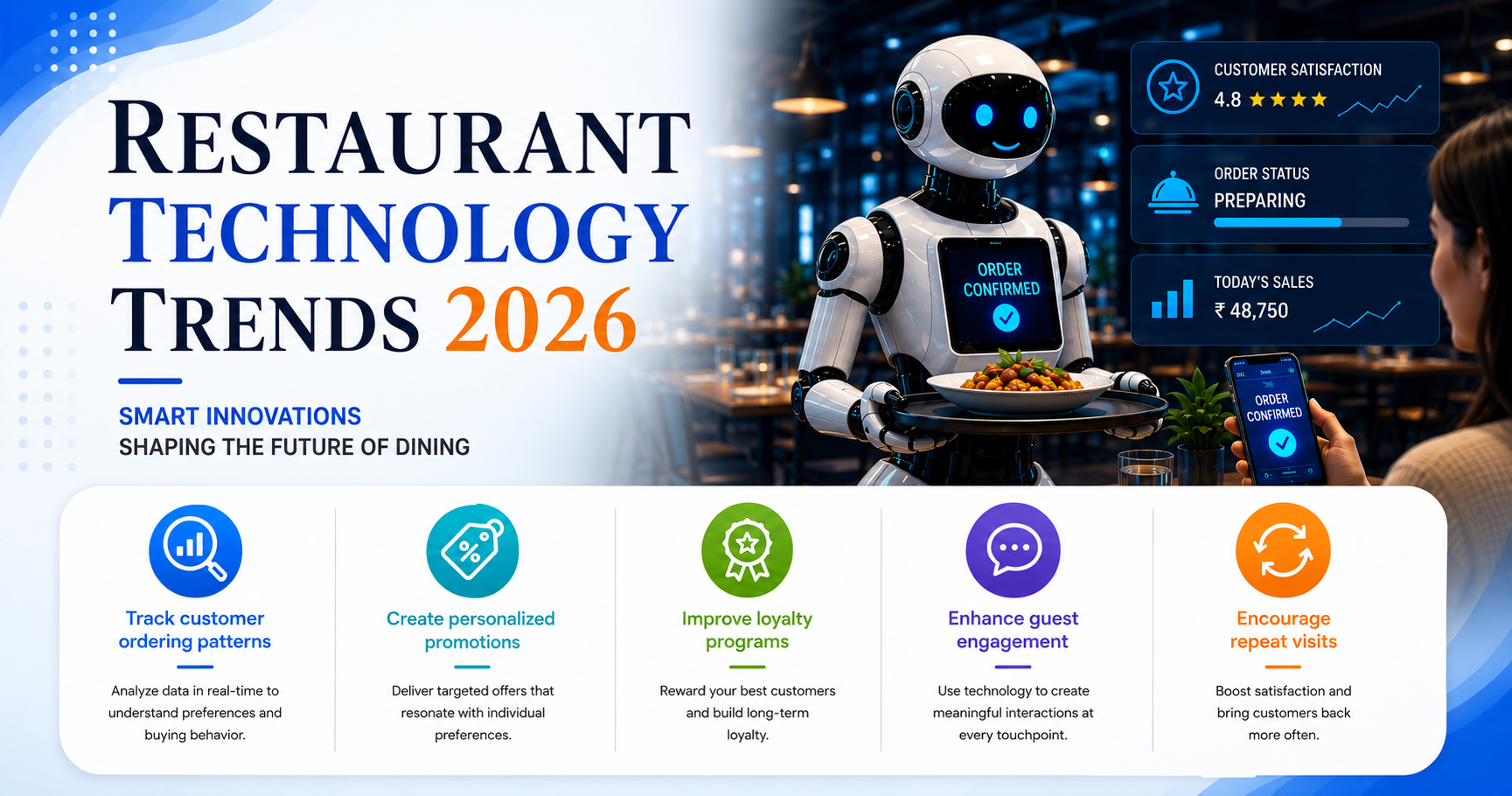
Restaurants can use technology to:
- Track customer ordering patterns
- Create personalized promotions
- Improve loyalty programs
- Enhance guest engagement
- Encourage repeat visits
Customer-focused technology helps businesses build stronger relationships while improving customer retention and lifetime value.
In an increasingly competitive market, superior customer experience can become a major differentiator.
Cloud-Based Restaurant Management Is Becoming the New Standard
Cloud technology is transforming how restaurants manage operations.
Unlike traditional systems that require access from a specific location, cloud-based restaurant management software allows owners and managers to access business information from anywhere.
Benefits of cloud-based solutions include:
- Remote access to business data
- Automatic software updates
- Real-time synchronization
- Secure data storage
- Easy scalability
Restaurant owners can monitor sales, inventory, reports, and operational performance using a computer, tablet, or smartphone.
As businesses expand and operate multiple locations, cloud technology becomes even more valuable.
Multi-Location Management Is Supporting Restaurant Growth
Restaurant chains and franchise businesses continue to expand across multiple locations.
Managing multiple outlets manually can become challenging and time-consuming.
Modern restaurant management platforms help businesses centralize operations by providing:
- Outlet-wise sales tracking
- Consolidated reporting
- Inventory visibility across locations
- Branch performance comparison
- Standardized operational processes
Centralized management enables restaurant owners to maintain consistency and control while supporting business growth.
Restaurants of Today vs Restaurants of the Future
The future restaurant will be more connected, automated, and data-driven than ever before.
Comparison: Today's Restaurants vs Future Restaurants
| Restaurants Today | Restaurants of the Future |
|---|---|
| Manual reporting | Automated real-time reporting |
| Multiple disconnected systems | Unified restaurant management platforms |
| Basic customer records | Advanced customer analytics |
| Reactive inventory management | AI-driven inventory optimization |
| Traditional workflows | Automated operational workflows |
| Limited business visibility | Complete operational transparency |
| Location-specific management | Centralized multi-location control |
| Historical reporting | Predictive business intelligence |
Restaurants that invest in technology today will be better prepared for future industry demands.
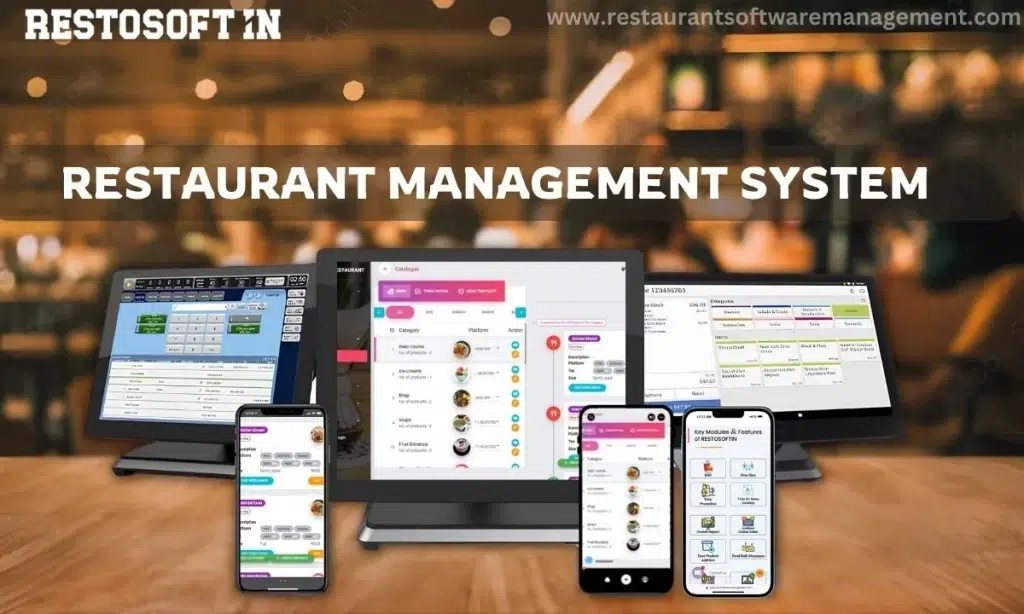
Why Restaurants Need an Integrated Management Platform
Using separate systems for billing, inventory, reporting, and customer management often creates inefficiencies and data silos.
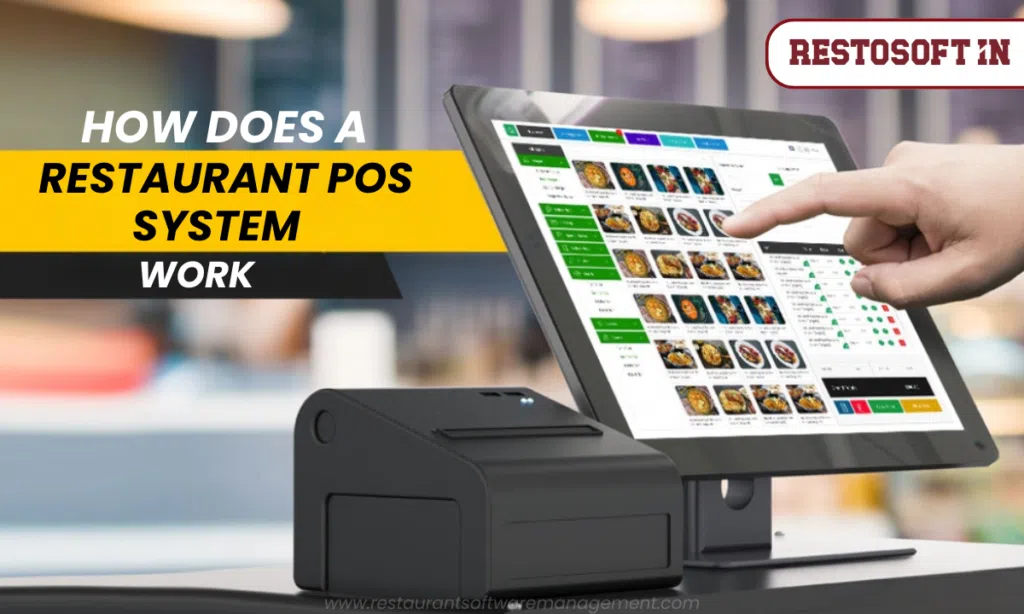
An integrated restaurant management platform helps businesses manage:
- POS billing
- Inventory control
- Order management
- Purchase management
- Customer data
- Reporting and analytics
- Multi-location operations
By bringing all operations together in one system, restaurants gain better visibility, improved efficiency, and stronger control over business performance.
Solutions like Restosoft help restaurants simplify daily operations while supporting long-term growth and profitability.
Conclusion
Restaurant technology trends in 2026 show a strong shift toward smarter and more connected operations. Technologies like AI, analytics, inventory management, and automation help restaurants improve efficiency, reduce costs, and deliver better customer experiences. Adopting the right restaurant management software can support long-term growth and business success.
Restosoft helps restaurants simplify operations with integrated tools for billing, inventory management, order processing, reporting, and business analytics. By providing greater visibility and control, Restosoft enables restaurant owners to focus on growth while improving operational efficiency.
Ready to future proof your restaurant business? Contact Restosoft today to explore how our restaurant management software can help you optimize operations, improve customer satisfaction, and drive sustainable growth.