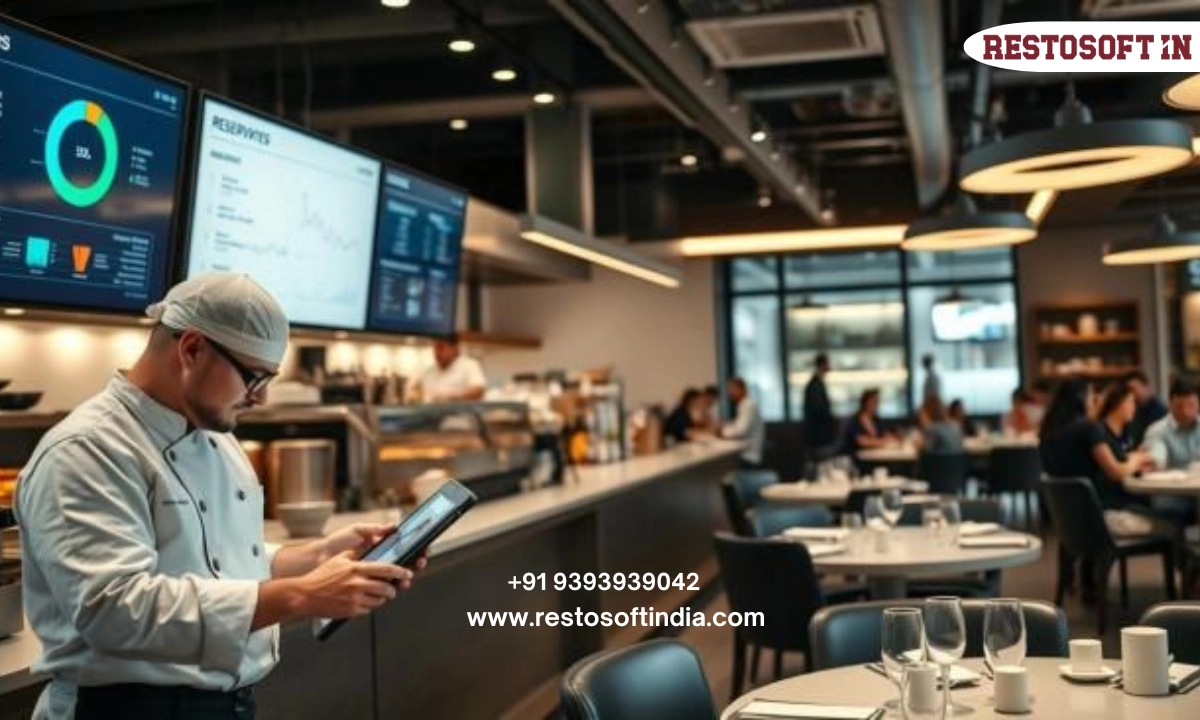
The restaurant industry in India is evolving faster than ever before. With increasing customer expectations, digital ordering trends, contactless payments, online food delivery, and rising operational costs, restaurants need smarter ways to manage their daily operations. Whether it's a small café, a cloud kitchen, a fine dining restaurant, or a multi-location franchise, relying on manual processes is no longer practical in 2026.
This is where Restaurant Management Software plays a transformative role. It centralizes all critical restaurant operations into a single platform, enabling businesses to automate repetitive tasks, monitor real-time performance, and make informed business decisions. By streamlining operations, restaurant owners can focus on delivering exceptional dining experiences while improving efficiency and profitability.
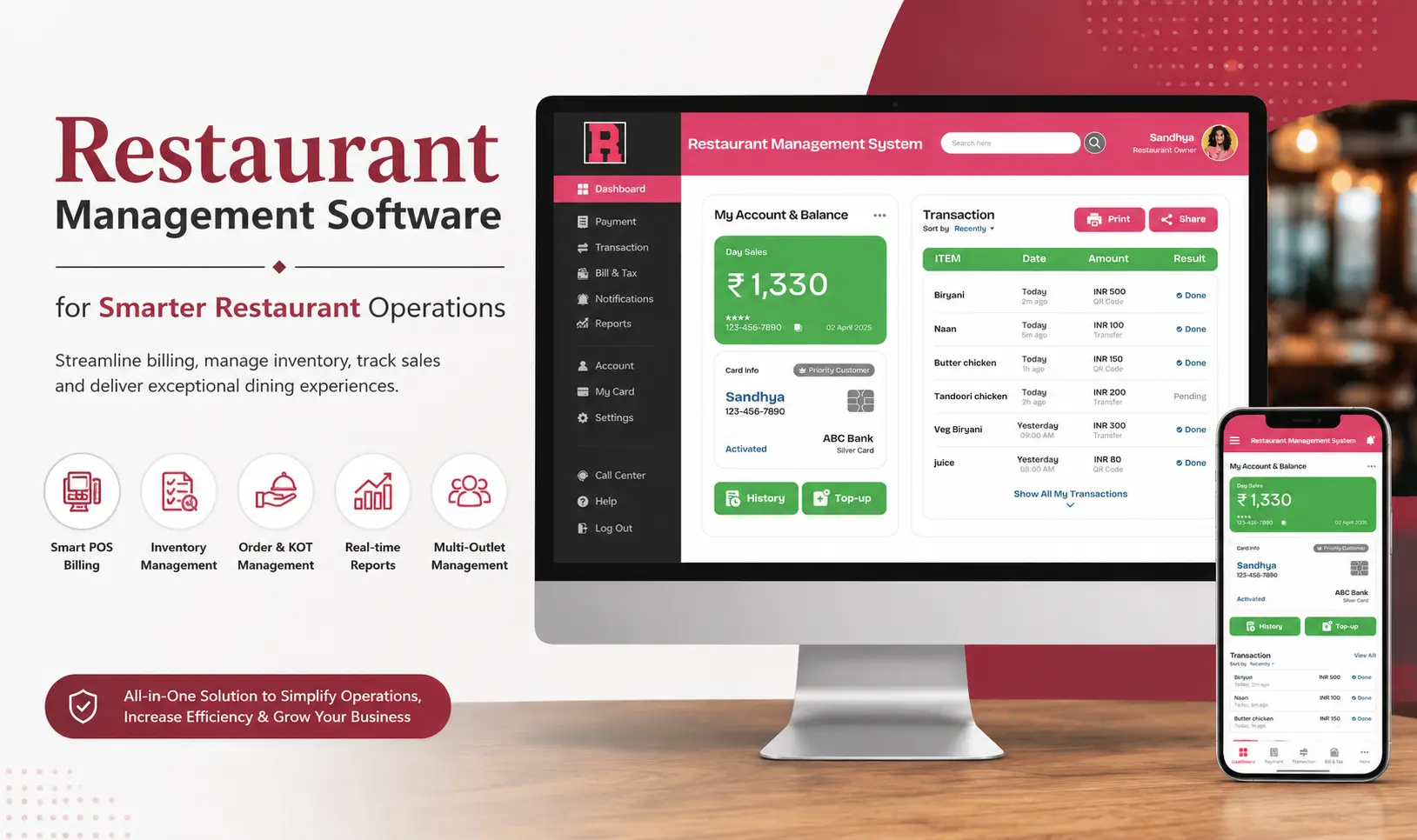
Among the leading solutions available today, RestosoftIN is designed to help restaurants simplify operations through intelligent billing, inventory management, customer relationship management, kitchen order management, employee monitoring, analytics, and multi-branch management. It empowers restaurants to operate more efficiently while supporting long-term business growth.
What is Restaurant Management Software?
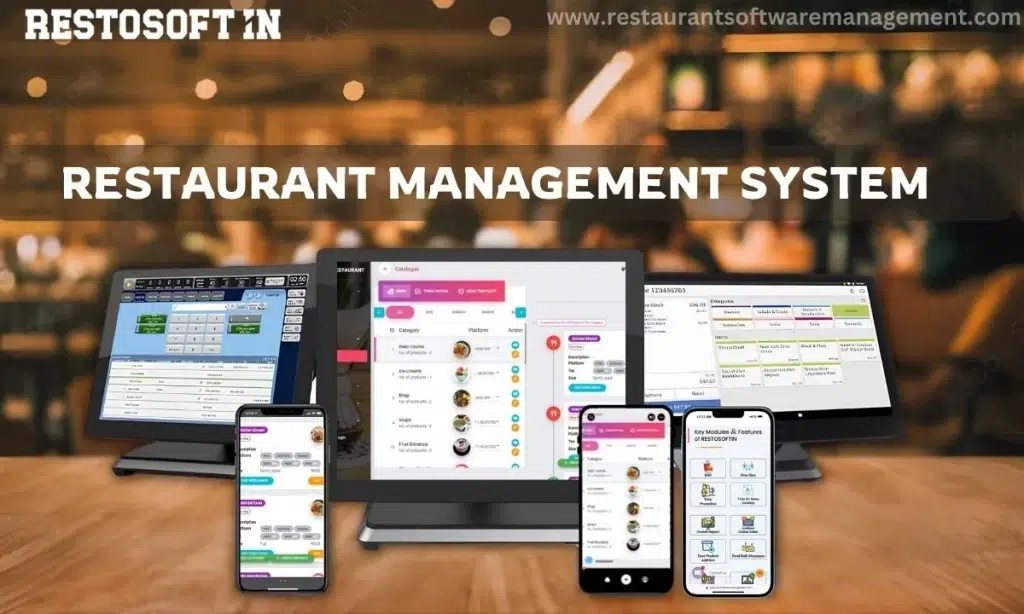
Restaurant Management Software is an integrated digital platform that helps restaurants manage and automate their day-to-day operations from a centralized system. It combines essential business functions such as Point of Sale (POS), billing, inventory management, kitchen order management, table reservations, customer relationship management (CRM), employee management, financial reporting, and business analytics into one unified solution.
Instead of maintaining separate tools or relying on manual records, restaurant owners can monitor every aspect of their business in real time. This improves operational efficiency, minimizes human errors, enhances customer service, and provides valuable business insights.
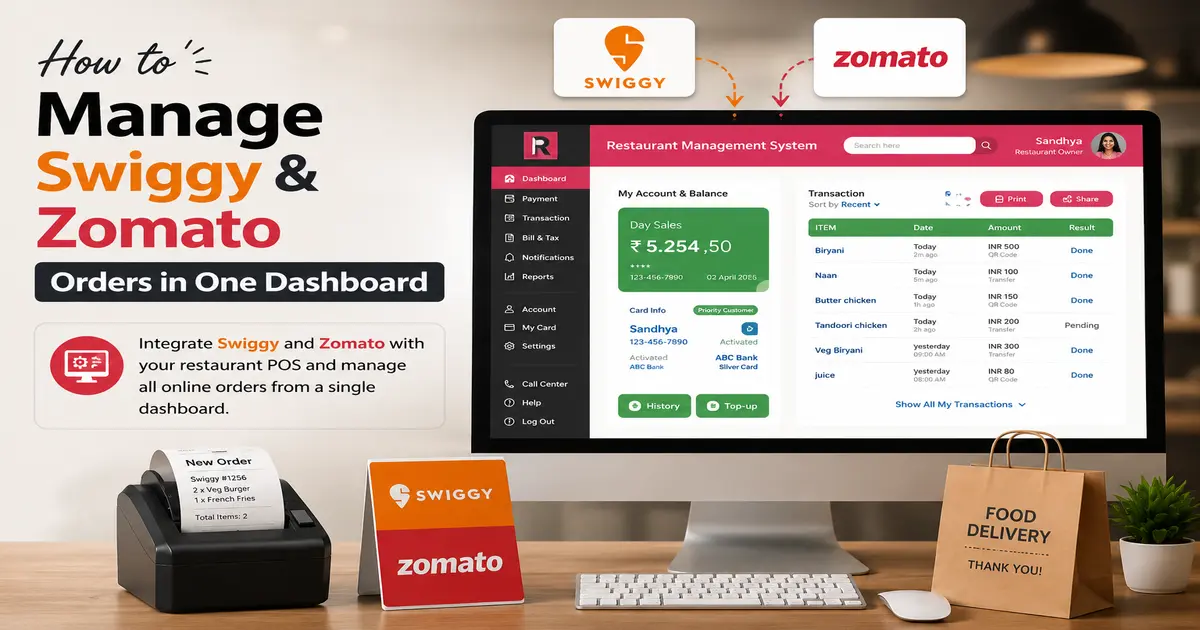
Modern restaurant management software also supports cloud access, mobile management, QR code ordering, online delivery platform integration, and multi-location operations, making it an indispensable technology for restaurants looking to remain competitive in 2026.
Restaurant Management Software vs Traditional Restaurant Management
| Feature | Traditional Restaurant Management | Restaurant Management Software |
|---|---|---|
| Billing | Manual billing with higher chances of errors | Fast and automated POS billing |
| Inventory Management | Paper records or spreadsheets | Real-time inventory tracking |
| Kitchen Operations | Manual communication | Digital Kitchen Order Ticket (KOT) |
| Customer Records | Difficult to maintain | Centralized CRM database |
| Employee Management | Manual attendance and scheduling | Automated staff management |
| Business Reporting | Manual report preparation | Real-time dashboards and analytics |
| Multi-Branch Operations | Difficult to monitor | Centralized management |
| Decision Making | Based on assumptions | Data-driven insights |
| Scalability | Limited | Easily scalable |
| Customer Experience | Inconsistent | Faster, personalized, and efficient |
Why Businesses Need Restaurant Management Software
The restaurant industry has become increasingly competitive, and customer expectations continue to rise. Guests expect quick service, accurate billing, personalized experiences, digital payment options, and seamless online ordering. Meeting these expectations while managing operations manually can be both time-consuming and error prone.
Restaurant management software addresses these challenges by automating routine tasks, reducing operational inefficiencies, and providing complete visibility into restaurant performance. It simplifies billing, monitors inventory levels, tracks employee productivity, streamlines kitchen workflows, and generates detailed reports that help restaurant owners make informed decisions.
As restaurants expand to multiple branches or introduce online ordering and delivery services, centralized management becomes even more critical. A modern restaurant management solution enables businesses to maintain consistency, improve operational control, and scale efficiently without increasing administrative complexity.
Investing in restaurant management software is no longer just about adopting new technology it's about building a smarter, more efficient, and future-ready restaurant business.
Key Benefits of Restaurant Management Software
1. Faster and Accurate Billing
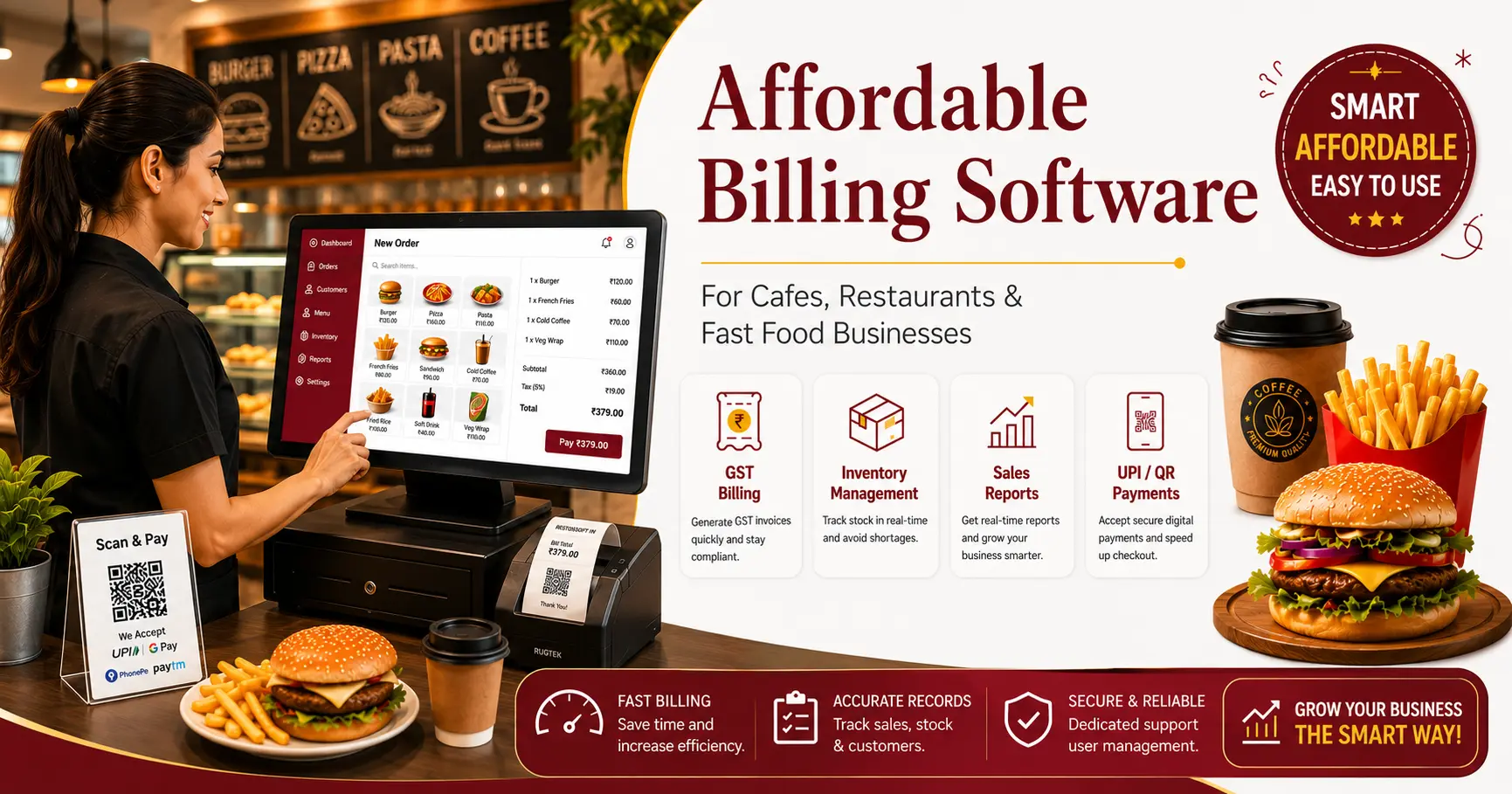
Modern POS systems automate billing processes, significantly reducing manual errors while speeding up customer transactions. During busy hours, faster billing improves table turnover and enhances the overall customer experience.
2. Efficient Inventory Management
Food inventory is one of the largest operational expenses for any restaurant. Restaurant inventory management software tracks ingredient consumption, stock availability, supplier purchases, and wastage in real time, helping restaurants reduce losses and optimize inventory levels.
3. Improved Kitchen Coordination
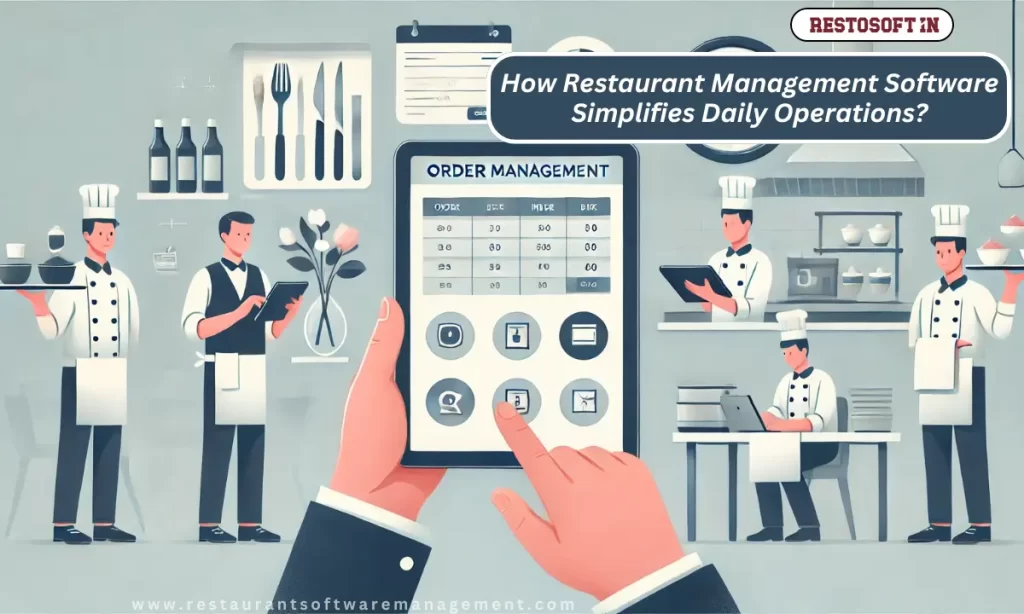
Integrated Kitchen Order Ticket (KOT) systems instantly transmit customer orders to the kitchen, minimizing communication gaps between service staff and chefs. This improves order accuracy, accelerates food preparation, and ensures smoother kitchen operations.
4. Enhanced Customer Experience
Customer Relationship Management (CRM) features enable restaurants to maintain customer profiles, monitor dining preferences, manage loyalty programs, and deliver personalized offers. These capabilities encourage repeat visits and strengthen long-term customer relationships.
5. Real-Time Business Analytics
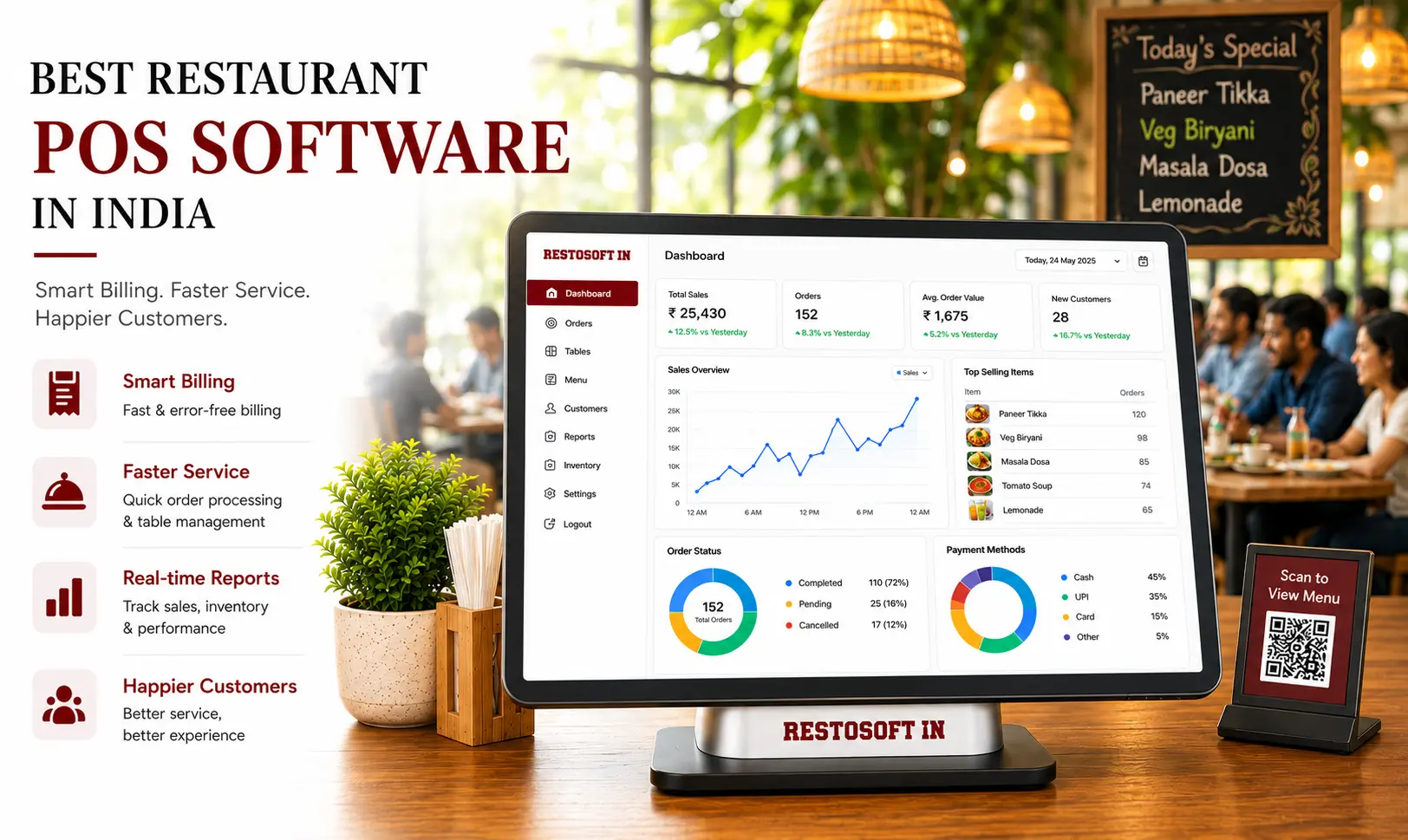
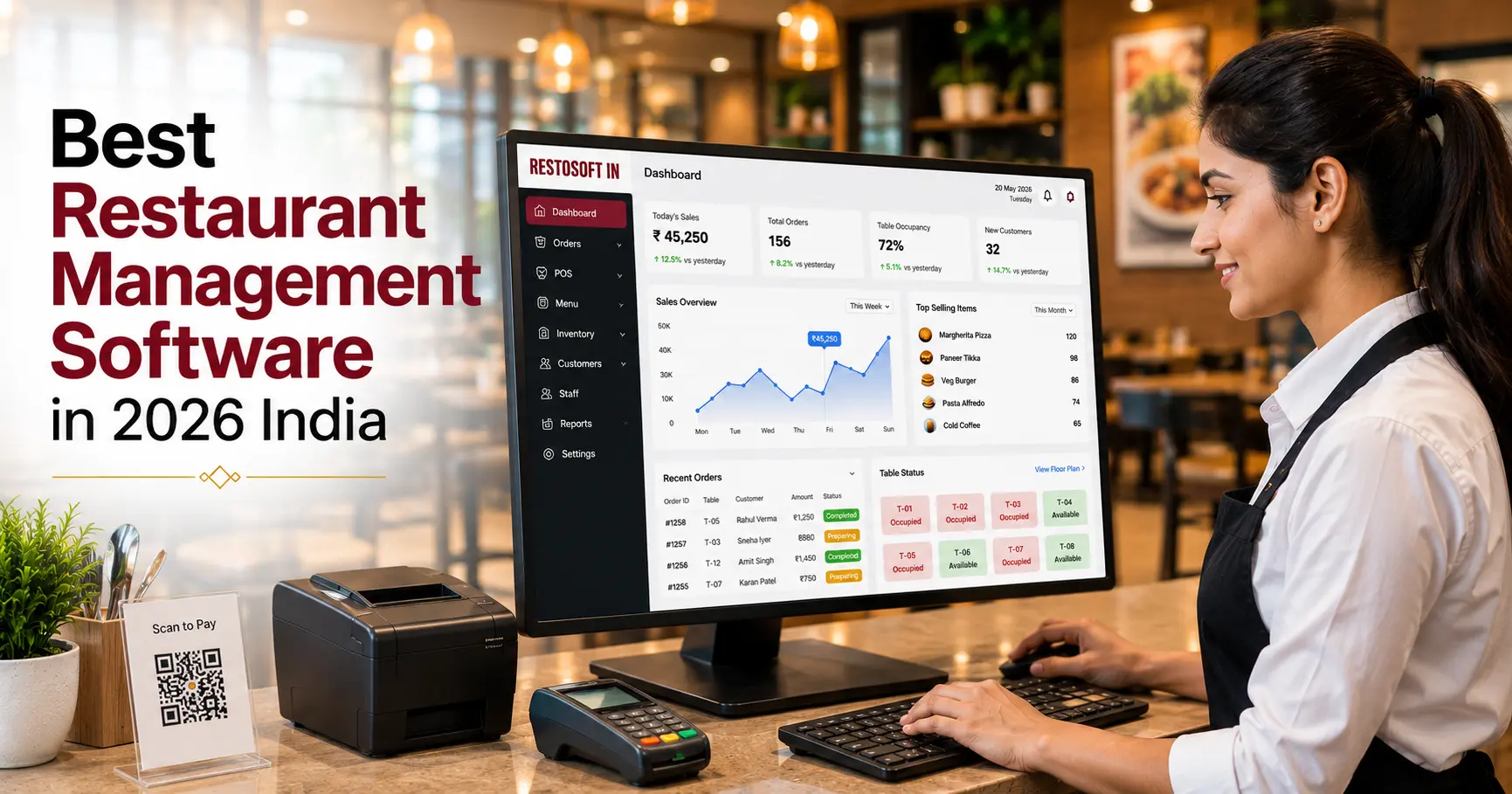
Restaurant owners gain access to live dashboards displaying sales performance, inventory status, employee productivity, and financial reports. These insights enable faster, data-driven decision-making and improve overall business profitability.
6. Better Employee Management
Automated attendance tracking, shift scheduling, and performance monitoring help restaurants improve workforce productivity while reducing administrative effort and scheduling conflicts.
7. Centralized Multi-Branch Management
For businesses operating multiple restaurant locations, centralized management allows owners to monitor sales, inventory, staff performance, and operational metrics across all branches from a single dashboard, ensuring consistency and better business control.
Feature–Benefit Table
| Feature | Business Benefit |
|---|---|
| Restaurant POS | Fast, accurate, and GST-compliant billing |
| Inventory Management | Reduce food wastage and prevent stock shortages |
| Kitchen Order Ticket (KOT) | Faster order processing and improved kitchen coordination |
| Customer Relationship Management (CRM) | Increase customer loyalty and repeat business |
| Table Management | Optimize seating and reduce customer wait times |
| Employee Management | Improve workforce productivity and accountability |
| Sales & Financial Reports | Support informed, data-driven business decisions |
| Expense Tracking | Better cost control and profitability |
| Multi-Branch Management | Manage multiple restaurant locations from one dashboard |
| Cloud Access | Monitor restaurant operations anytime, anywhere |
| Online Ordering Integration | Expand revenue through digital sales channels |
| Business Analytics Dashboard | Identify trends, monitor KPIs, and support business growth |
Essential Features of the Best Restaurant Management Software
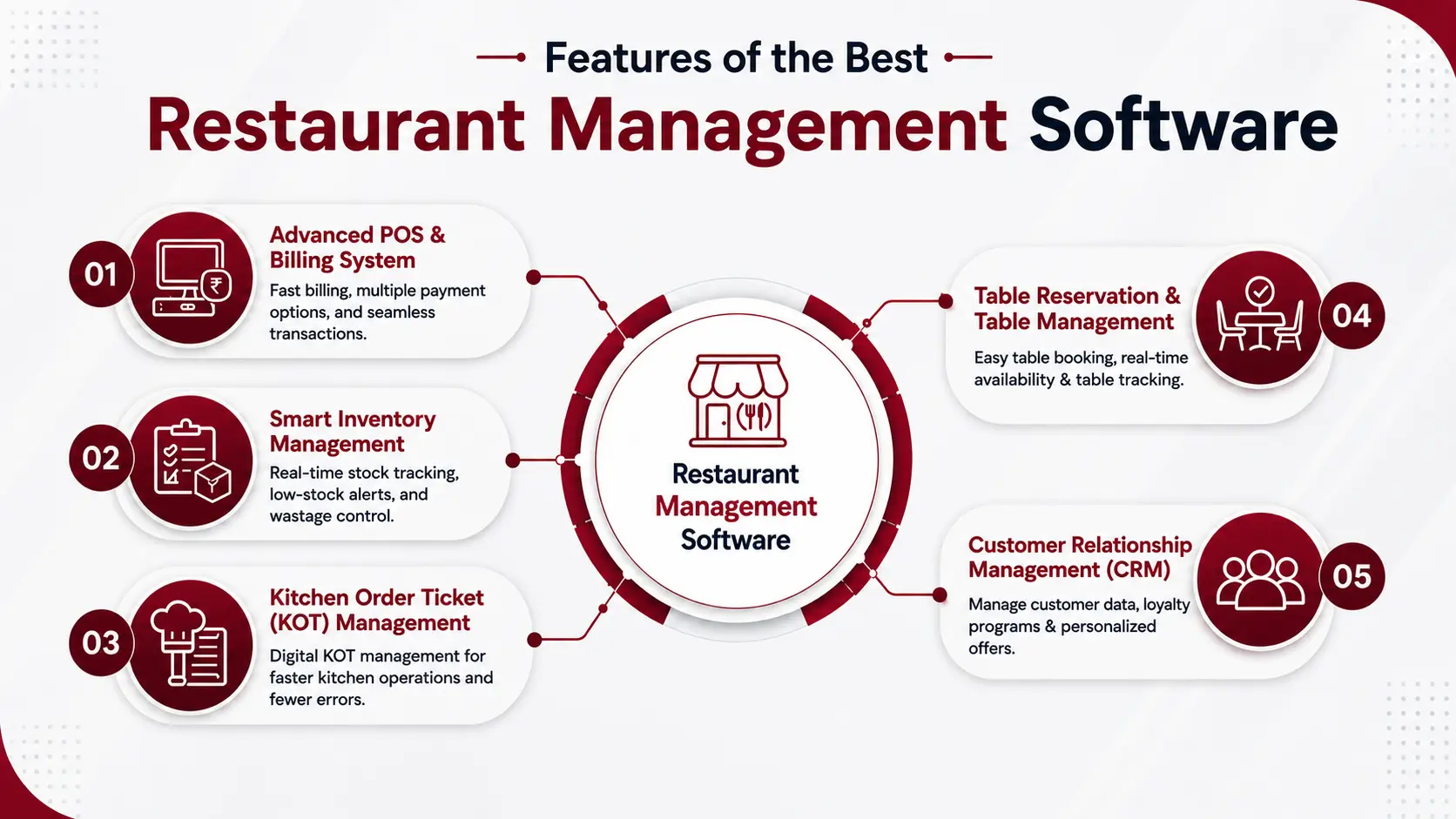
Choosing the right restaurant management software goes beyond basic billing. The ideal solution should provide a complete ecosystem that simplifies operations, improves customer experiences, and supports long-term business growth. Here are the essential features every modern restaurant should look for in 2026.
1. Advanced POS & Billing System
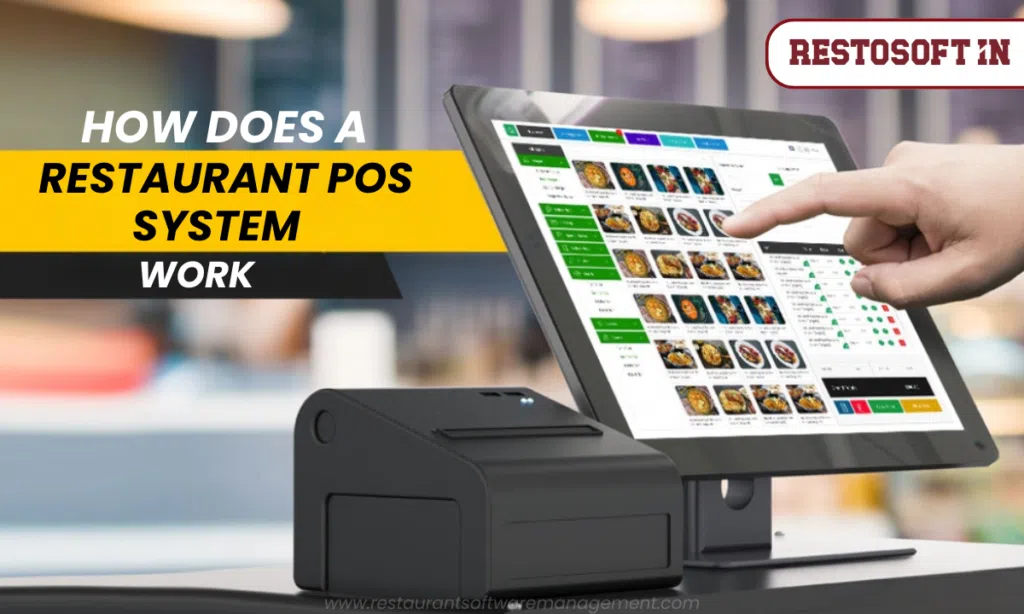
A fast and reliable Point of Sale (POS) system is the foundation of restaurant operations. It should support GST-compliant billing, multiple payment methods, split billing, discounts, coupons, refunds, and quick invoice generation to ensure a smooth checkout experience.
Why it matters
- Reduces billing errors
- Speeds up customer service
- Handles peak-hour transactions efficiently
- Improves customer satisfaction
2. Smart Inventory Management
Inventory management helps restaurants monitor ingredient usage, stock availability, supplier purchases, and wastage in real time. Automated alerts notify managers before stock runs out, reducing operational disruptions.
Why it matters
- Prevents food wastage
- Controls food costs
- Improves purchasing decisions
- Maintains stock accuracy
3. Kitchen Order Ticket (KOT) Management
A digital KOT system instantly sends customer orders to the kitchen, eliminating manual communication and reducing order preparation delays.
Why it matters
- Faster order preparation
- Improved kitchen coordination
- Fewer order mistakes
- Better customer experience
4. Table Reservation & Table Management
Efficient table management enables restaurants to maximize seating capacity, reduce waiting times, and improve customer flow.
Why it matters
- Better space utilization
- Faster table turnover
- Improved guest experience
5. Customer Relationship Management (CRM)
A built-in CRM stores customer information, dining preferences, visit history, birthdays, and loyalty rewards, helping restaurants build stronger customer relationships.
Why it matters
- Personalized customer experiences
- Increased repeat visits
- Better customer retention
- Targeted marketing campaigns
Industry Use Cases
Restaurant management software is designed to support various food businesses, each with unique operational requirements.
Restaurants
Restaurants can automate billing, manage inventory, improve table management, monitor staff performance, and generate detailed reports, enabling smoother day-to-day operations.
Cafes
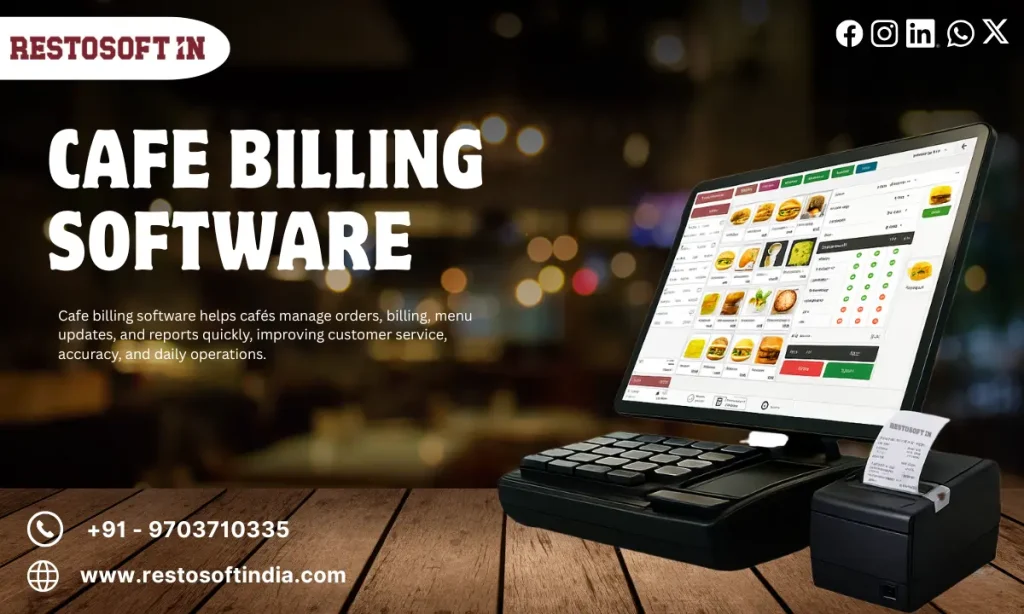
Cafés benefit from faster billing, customer loyalty programs, inventory tracking, and quick order processing, helping them serve more customers efficiently.
Cloud Kitchens
Cloud kitchens rely heavily on online ordering. Restaurant management software helps streamline order processing, inventory management, delivery coordination, and kitchen operations.
Fine Dining Restaurants
Fine dining establishments require reservation management, customer profiling, personalized service, and seamless coordination between front-of-house and kitchen staff.
Quick Service Restaurants (QSR)
QSR businesses require speed and accuracy. Integrated POS systems, KOT management, and automated workflows help reduce waiting times and increase customer throughput.
Bakeries & Dessert Shops
Bakery owners can manage production schedules, ingredient inventory, customer orders, and daily sales from one centralized platform.
Hotel Restaurants
Hotel restaurants benefit from integrated billing, reservation management, inventory tracking, and customer service management, ensuring a consistent dining experience for guests.
Industry Comparison Table
| Business Type | Major Challenges | How Restaurant Management Software Helps |
|---|---|---|
| Restaurant | Billing, inventory, reporting | Automates operations and improves efficiency |
| Café | Fast customer service | Quick billing and loyalty management |
| Cloud Kitchen | Order coordination | Centralized online order management |
| Fine Dining | Reservations and personalized service | Table management and CRM |
| QSR | High customer volume | Faster billing and KOT management |
| Bakery | Inventory and production planning | Real-time inventory tracking |
| Hotel Restaurant | Multiple operational workflows | Integrated management platform |
Why Businesses Choose Restosoft
Selecting restaurant management software is a long-term business decision. Businesses prefer solutions that are reliable, scalable, and easy to use. Restosoft is designed to help restaurants streamline operations while adapting to changing business requirements.
Comprehensive Restaurant Management
Restosoft combines billing, POS, inventory management, CRM, kitchen order management, employee management, reporting, and multi-branch control into one unified platform, eliminating the need for multiple disconnected systems.
Real-Time Operational Visibility
Restaurant owners can monitor sales, inventory, employee performance, and business reports in real time, enabling faster decision-making and better operational control.
Easy-to-Use Interface
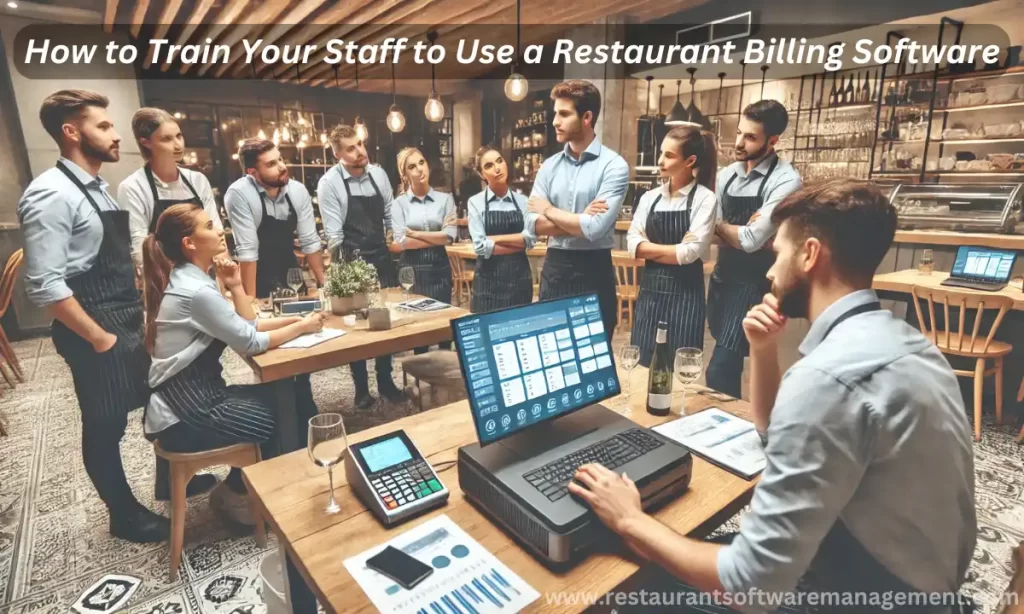
The software is designed for quick adoption, allowing restaurant staff to learn and operate the system efficiently with minimal training.
Scalable for Growing Businesses
Whether you operate a single café or manage a chain of restaurants, Restosoft grows with your business and supports expansion without increasing operational complexity.
Reliable Business Insights
Detailed reports and analytics help restaurant owners identify trends, monitor profitability, optimize inventory, and improve overall business performance.
Looking for a smarter way to manage your restaurant operations?
Explore how Restosoft can simplify billing, inventory management, kitchen operations, customer engagement, and business reporting—helping your restaurant operate more efficiently while delivering an exceptional dining experience.
How to Choose the Best Restaurant Management Software in 2026
With many software solutions available, selecting the right platform requires careful evaluation. Consider these factors before making your decision.
Identify Your Business Requirements
Choose software that aligns with your restaurant type, operational size, and future expansion plans.
Prioritize Essential Features
Ensure the software includes billing, POS, inventory management, CRM, reporting, employee management, and multi-branch support.
Evaluate Ease of Use
A user-friendly interface reduces staff training time and improves adoption across your restaurant.
Check Scalability
Select software that can support additional outlets and increased business operations as your restaurant grows.
Review Reporting Capabilities
Comprehensive dashboards and analytics should provide real-time visibility into sales, expenses, inventory, and customer trends.
Assess Customer Support
Reliable technical support and regular software updates are essential for uninterrupted restaurant operations.
Conclusion
The future of restaurant management lies in intelligent automation, real-time insights, and connected operations. Businesses that invest in modern restaurant management software are better positioned to improve operational efficiency, elevate customer experiences, and remain competitive in an evolving hospitality industry.
Restosoft brings together the essential tools restaurants need including POS billing, inventory management, kitchen operations, CRM, reporting, and multi branch management within a single, easy to use platform. By simplifying everyday operations and providing actionable business insights, Restosoft enables restaurants to focus on delivering exceptional service while driving sustainable growth. Ready to take the next step? Contact our team to discover how Restosoft can help simplify your restaurant operations and support your business growth.