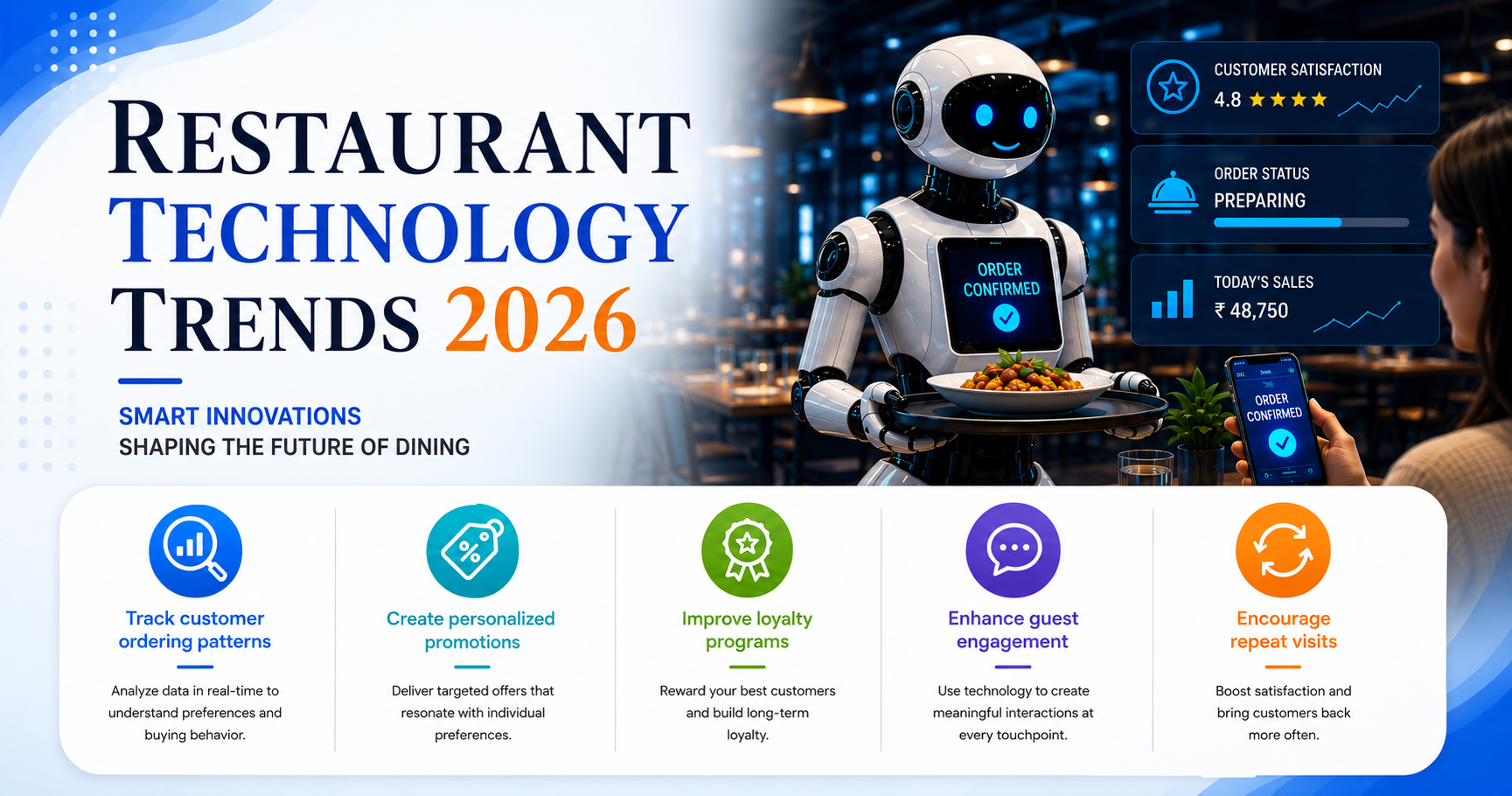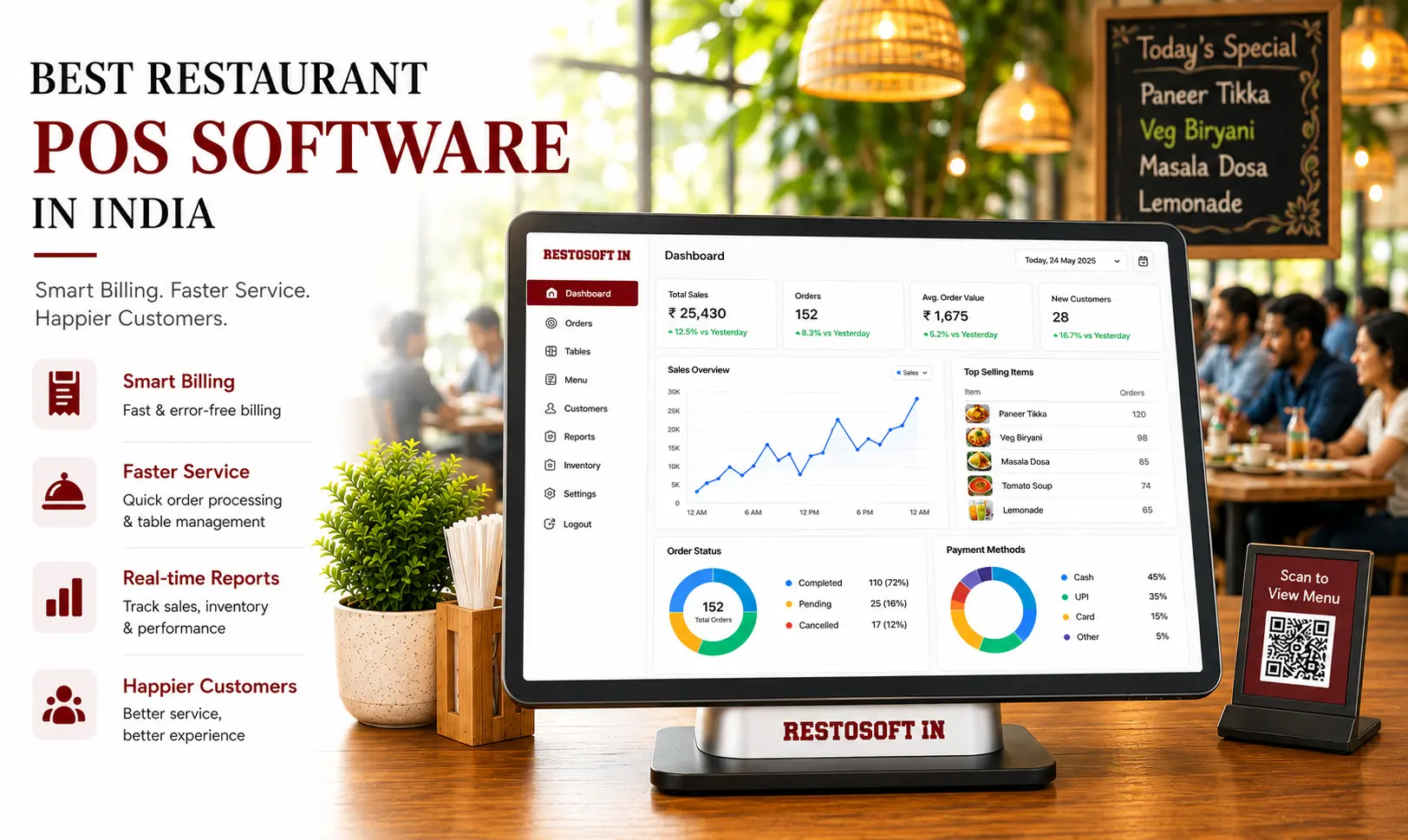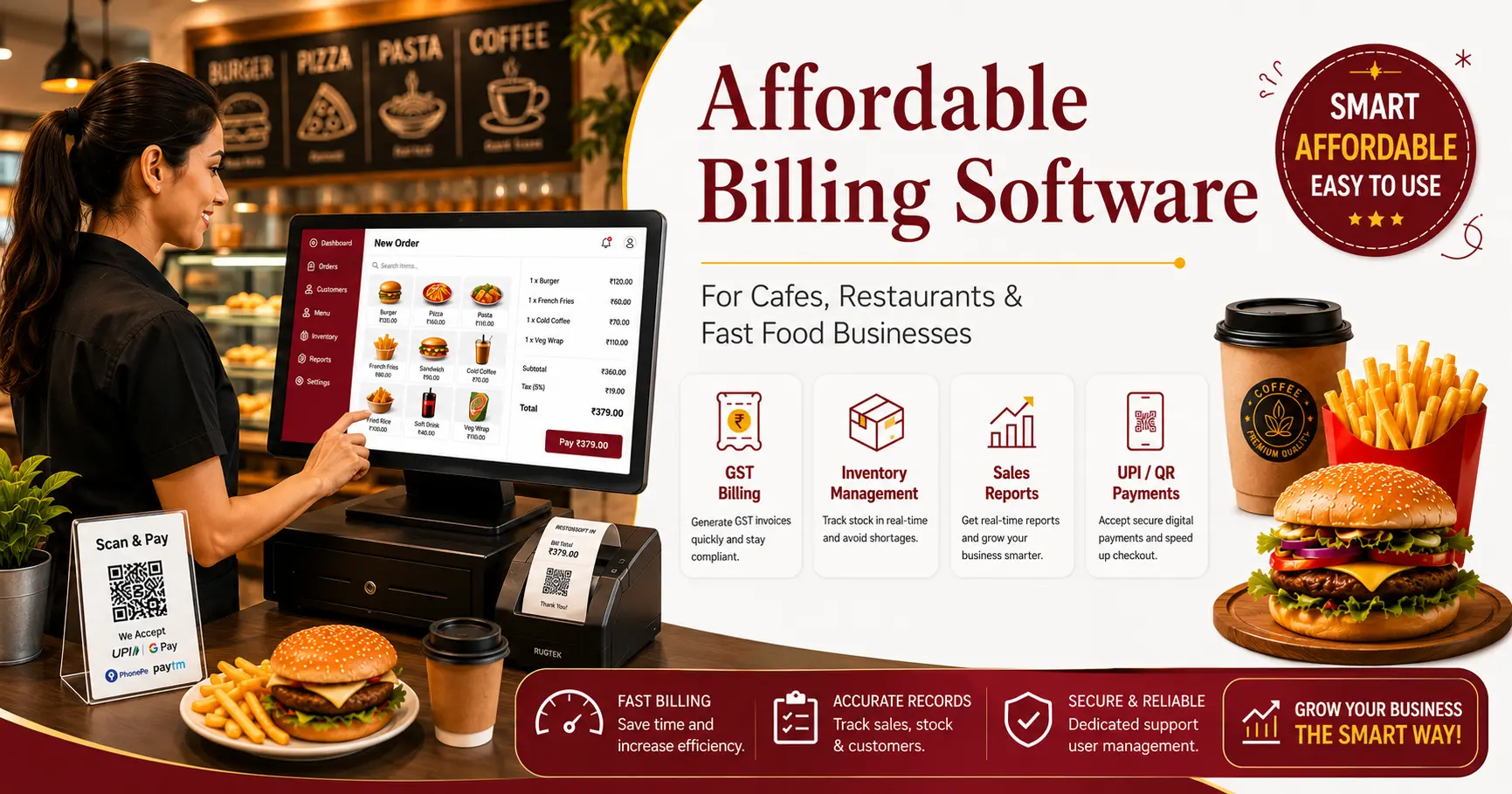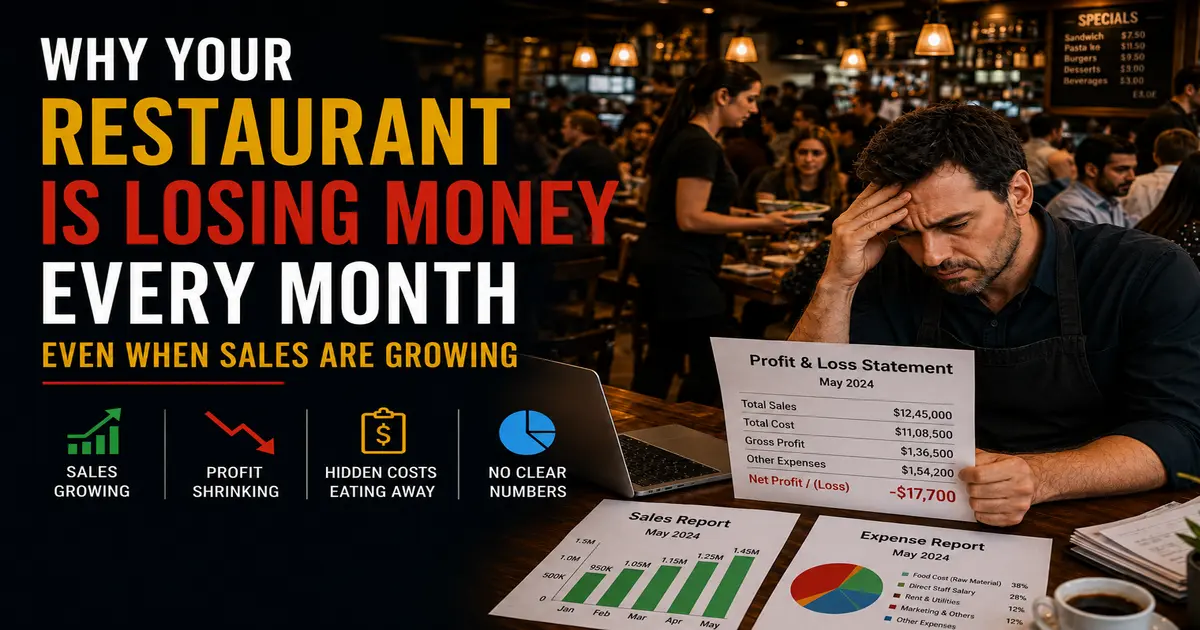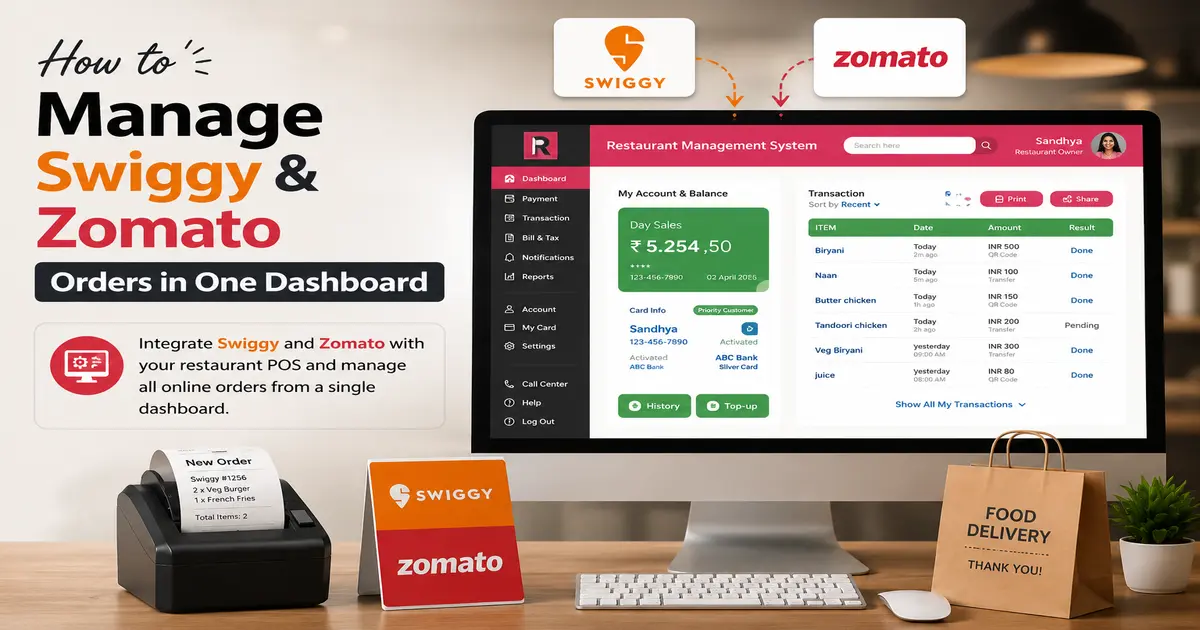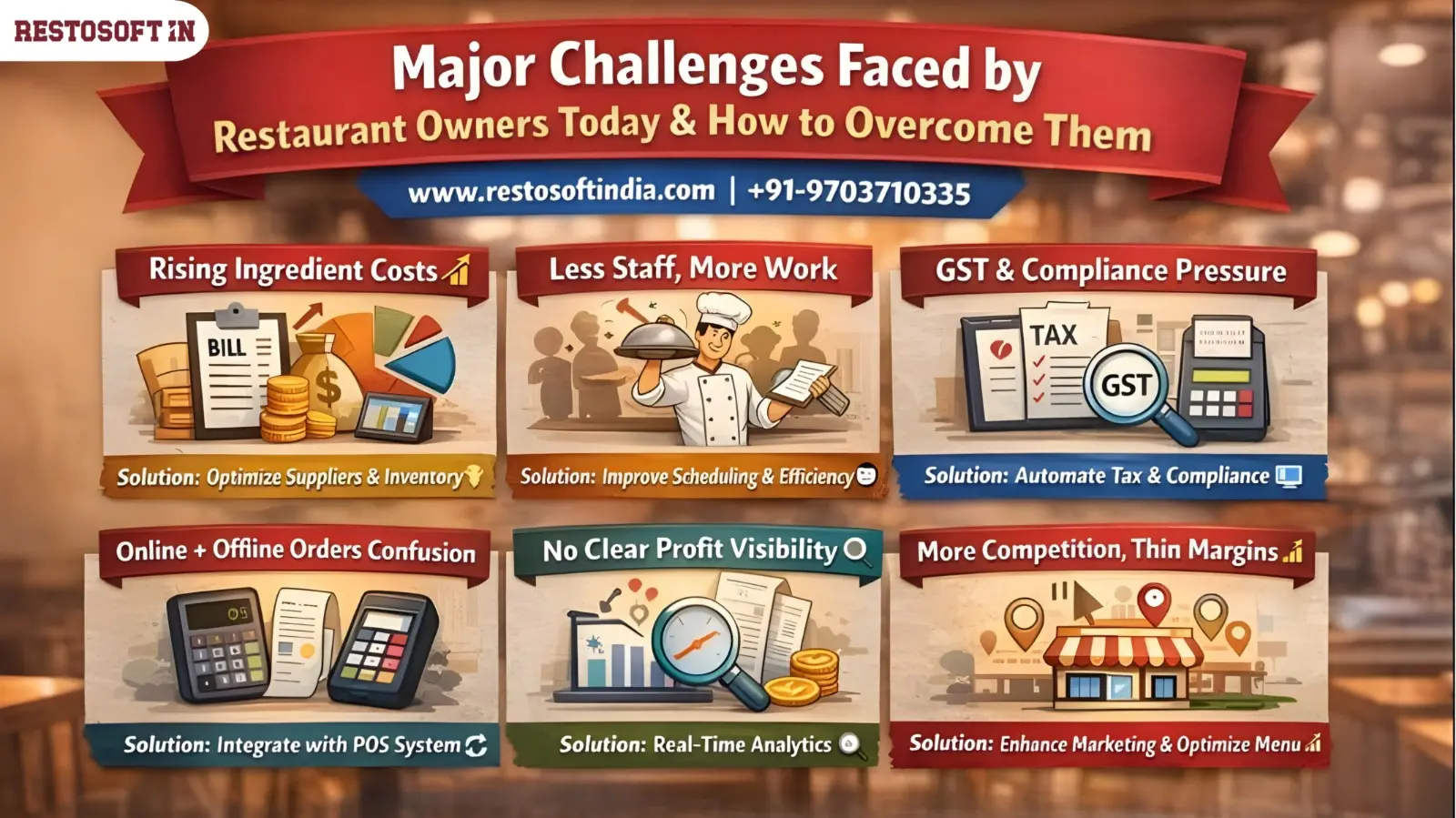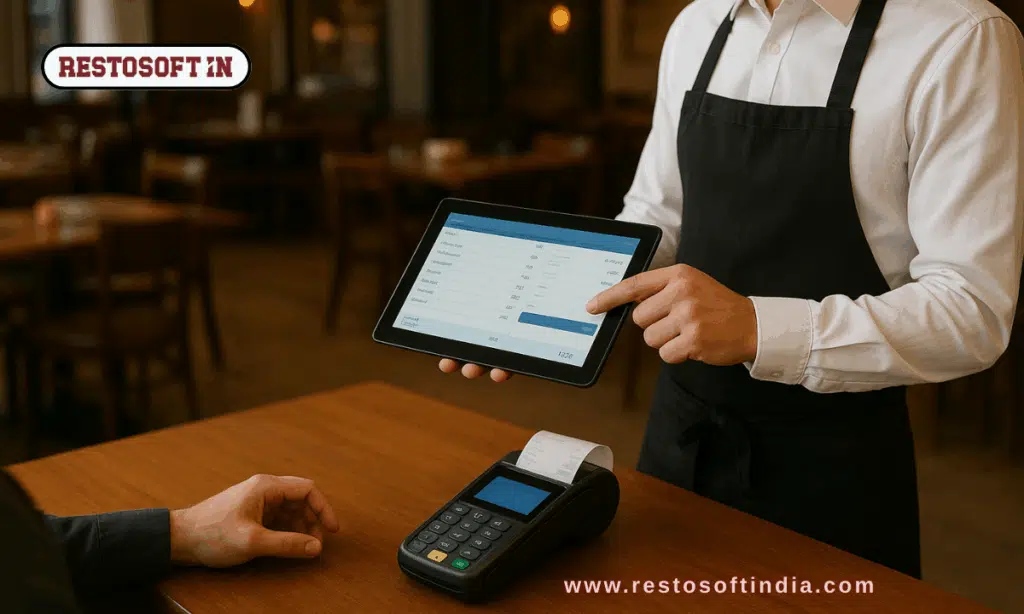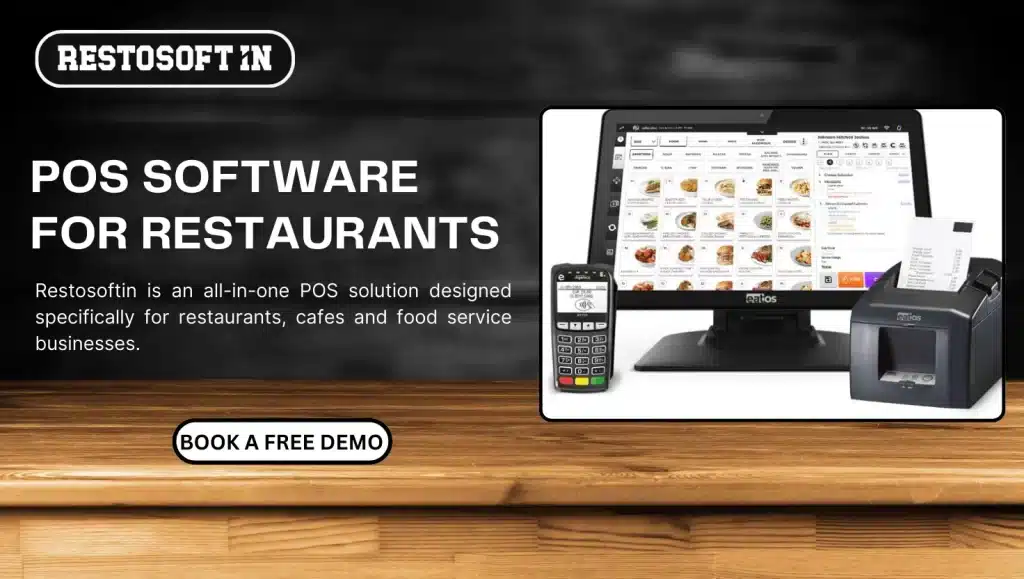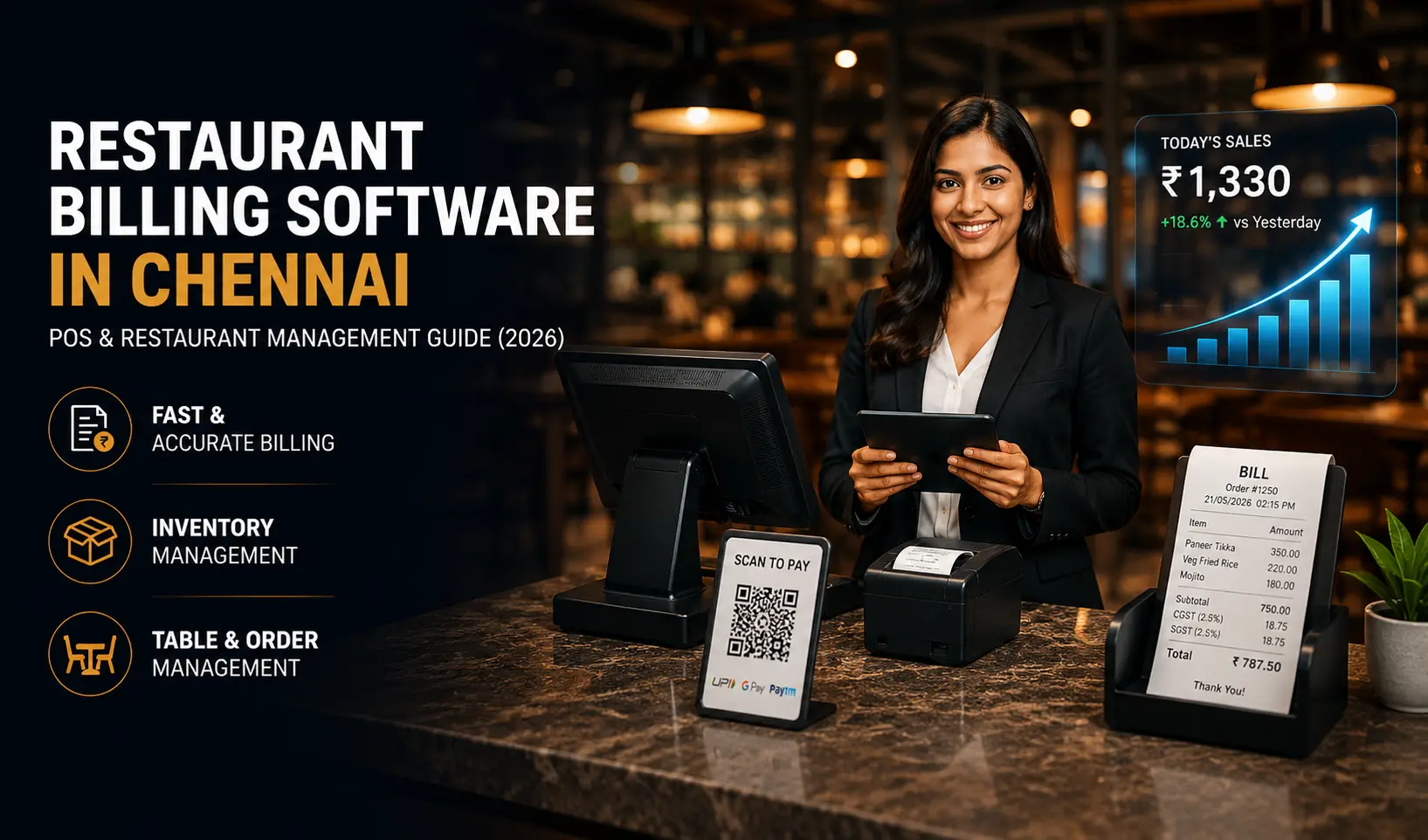
Managing a restaurant today involves more than generating invoices and taking customer orders. Restaurants regularly handle inventory tracking, billing operations, kitchen coordination, customer information, reporting, table management, and daily workflow activities. As restaurant businesses continue to expand, managing these processes manually can affect operational efficiency and customer experiences.
Businesses searching for Restaurant Billing Software Chennai solutions often look for systems that simplify workflows, improve operational visibility, and reduce manual management activities.
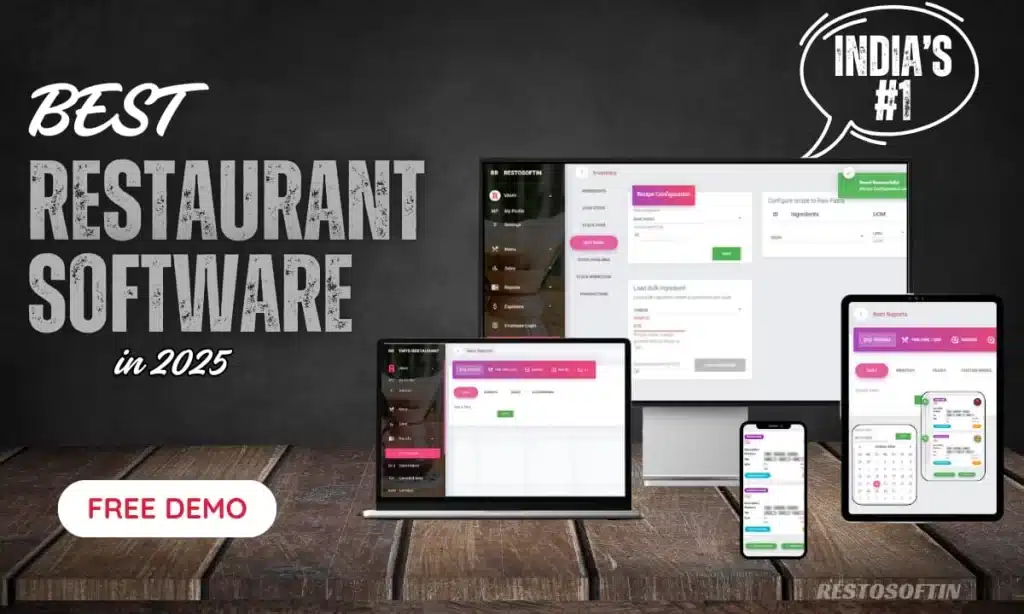
Restosoft helps restaurants improve operational management through centralized solutions for billing, inventory monitoring, reporting, and daily restaurant workflows.
Key Takeaways
- Faster billing and invoice generation
- Better inventory visibility
- Improved customer management
- Simplified restaurant workflows
- Real-time reports and analytics
- Centralized operational management
- Multi-location business support
What Is Restaurant Billing Software and Why Do Restaurants Need It?
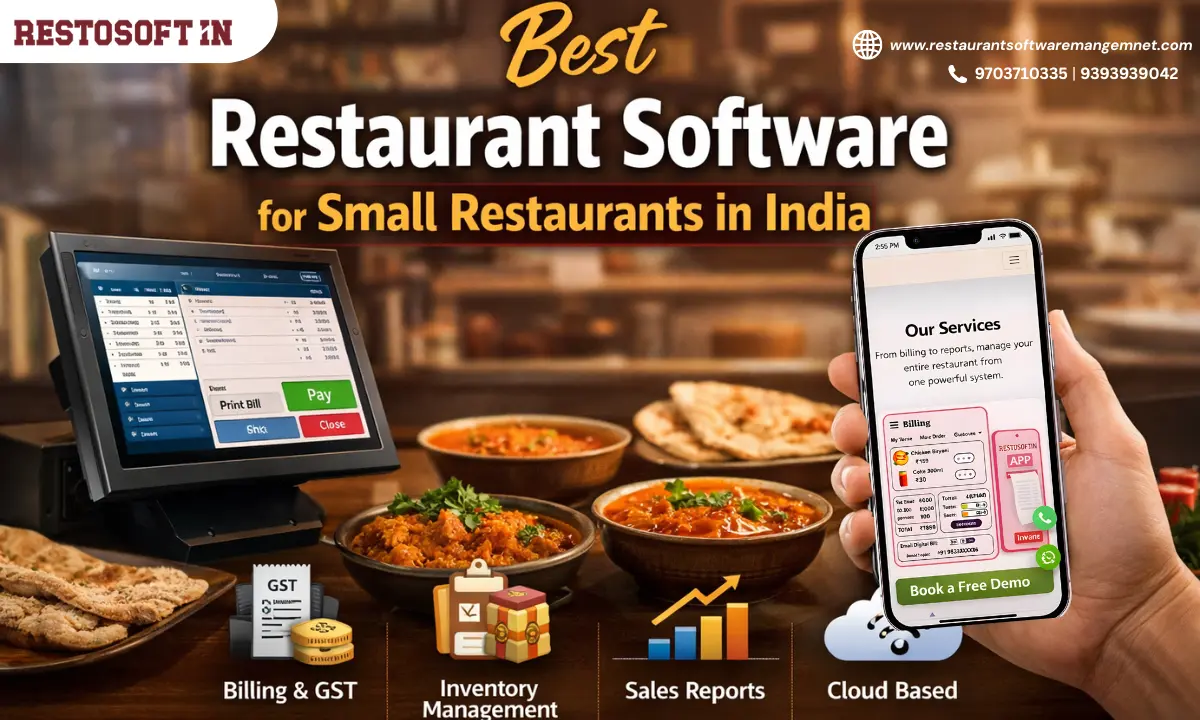
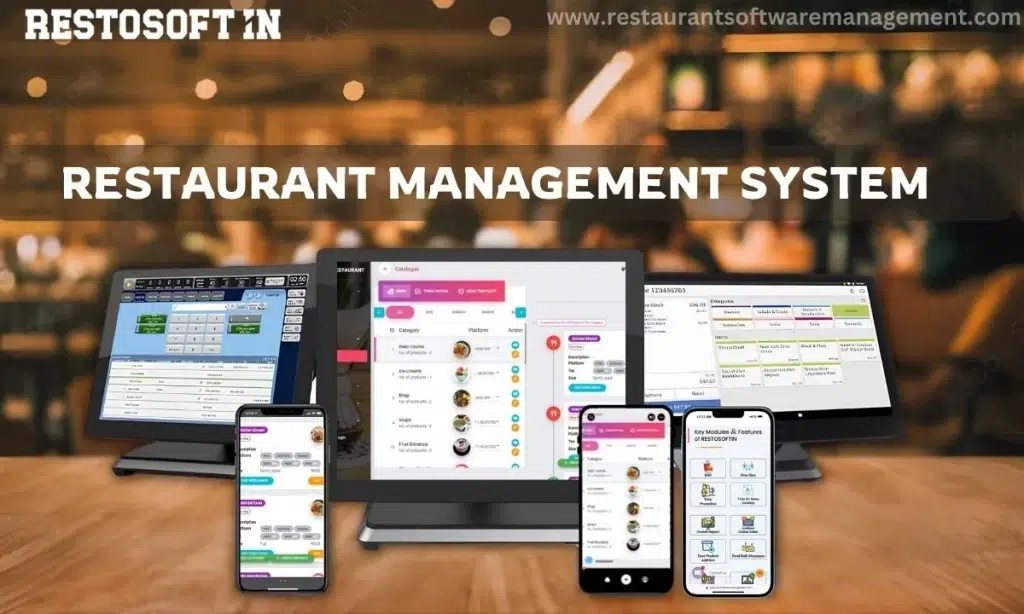
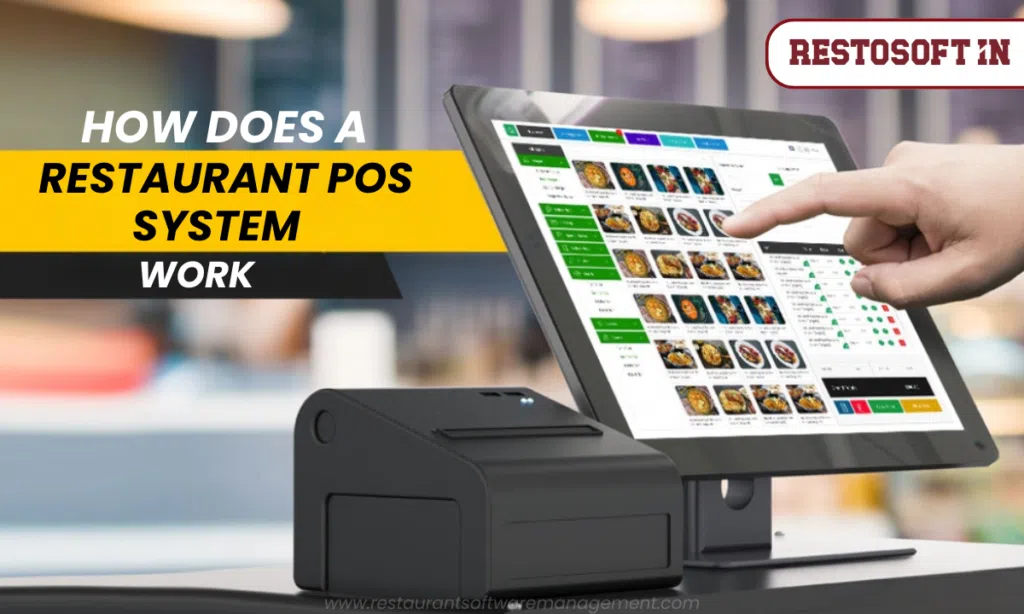
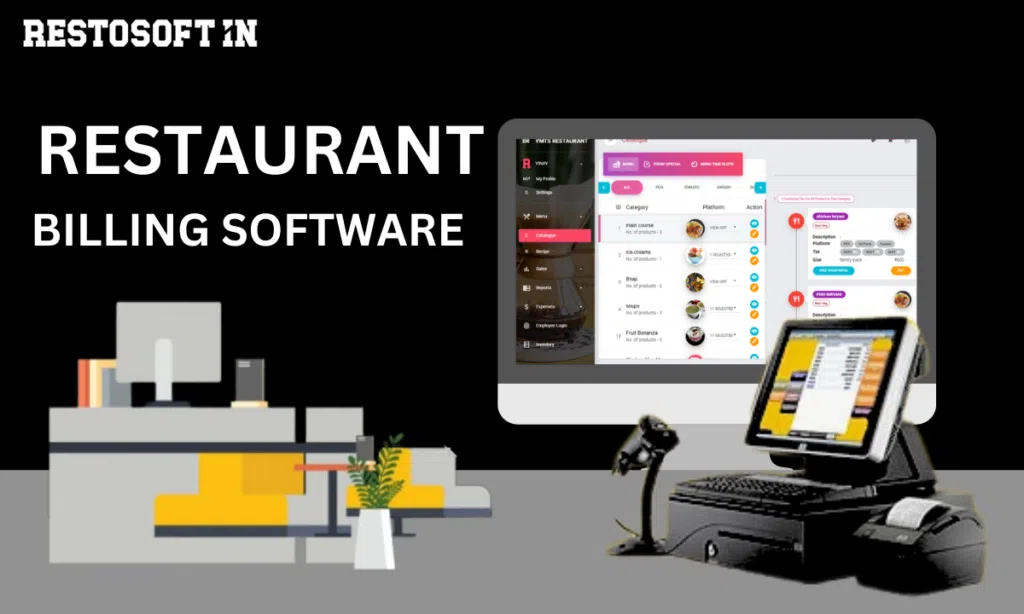
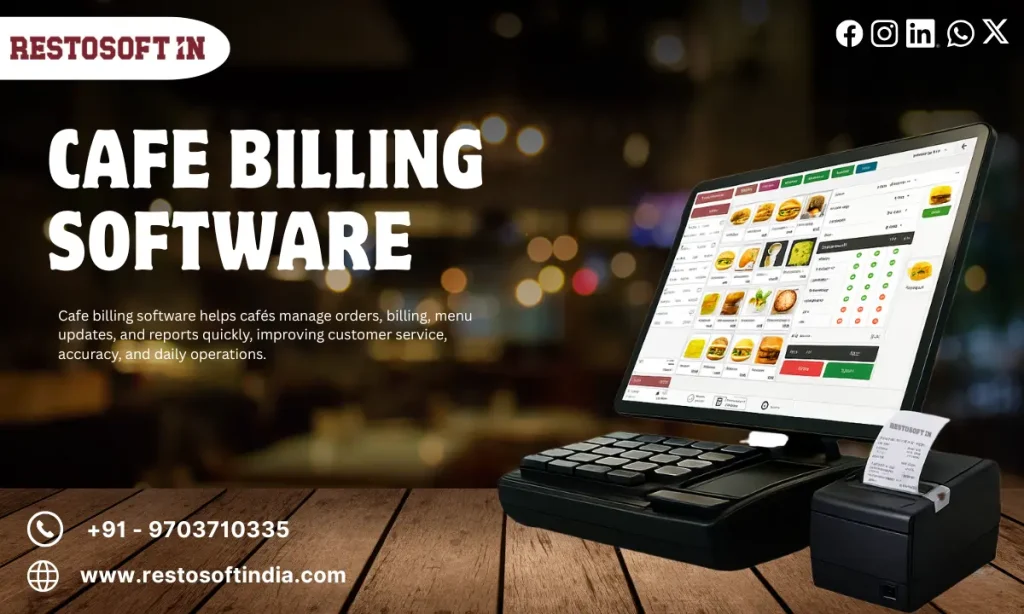
Restaurant billing software is a centralized system that helps restaurants manage invoices, customer orders, inventory tracking, reporting, and operational workflows efficiently.
Restaurants manage multiple connected activities throughout the day. Staff members coordinate with kitchen teams, process customer orders, generate invoices, and monitor stock availability.
For example, a restaurant handling dine-in customers, takeaway services, and online delivery orders simultaneously may experience operational confusion during peak hours if activities are managed manually.
Instead of using separate systems for billing and stock monitoring, restaurant software centralizes activities into a single dashboard and improves visibility.
Common Challenges Restaurants Face Without Restaurant Software
Restaurants experiencing billing delays, inventory mismatches, and reporting limitations often adopt Restaurant Billing Software in Chennai systems to improve operational efficiency.
| Operational Challenge | Impact on Restaurants | How Restaurant Software Helps |
|---|---|---|
| High customer traffic during busy periods | Longer billing queues | Faster billing and order processing |
| Managing multiple order types | Workflow confusion | Centralized order management |
| Inventory monitoring | Ingredient shortages | Real-time inventory tracking |
| Manual reporting | Delayed business insights | Automated reporting dashboards |
| Managing multiple restaurant locations | Limited operational visibility | Centralized branch management |
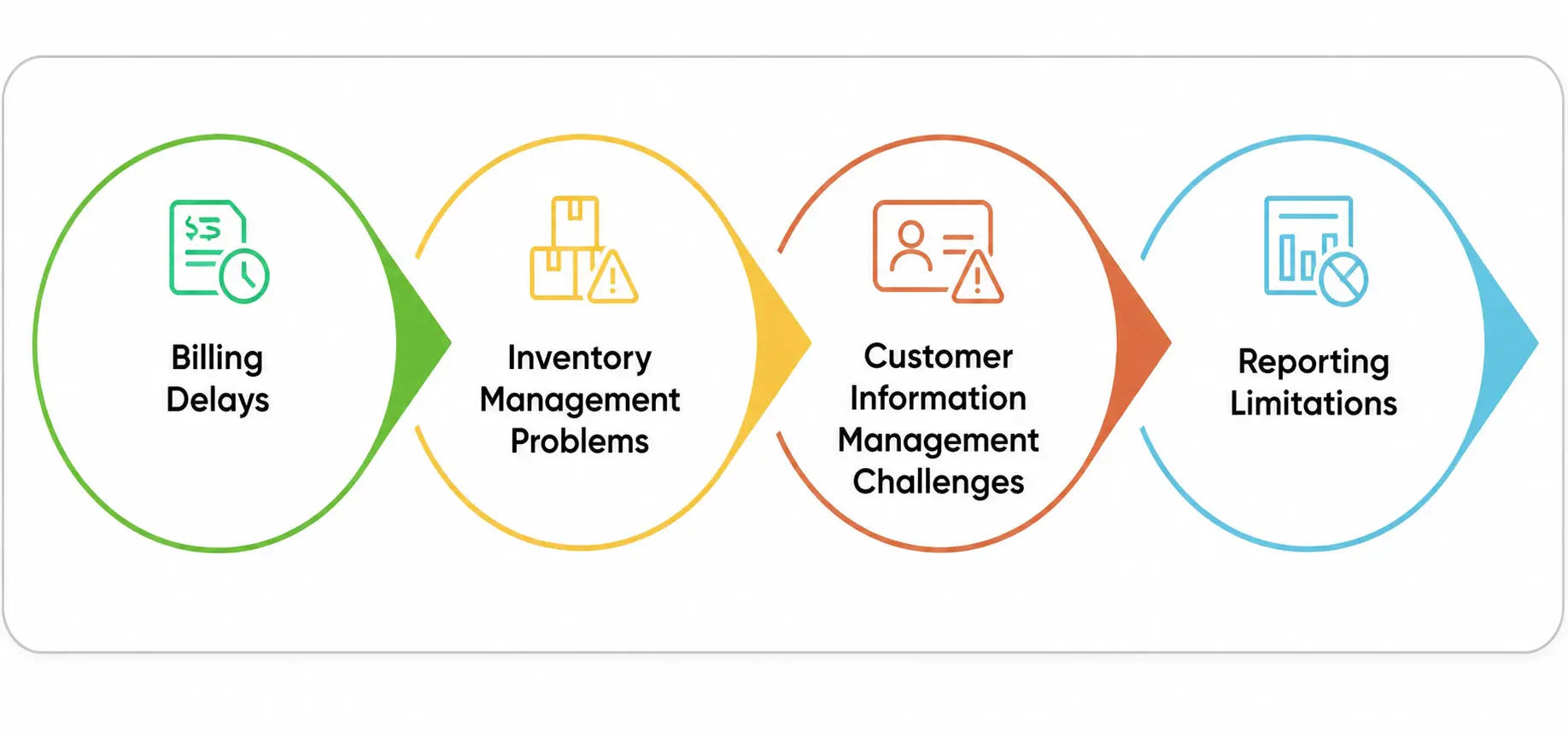
Restaurants often experience high customer activity during lunch and dinner hours.
For example, customers waiting longer for invoices during peak periods may affect service experiences and table turnover.
Billing automation helps restaurants improve speed and consistency.
Restaurants use ingredients daily, and stock availability changes continuously.
For example, restaurant teams may identify ingredient shortages late if inventory movement is monitored manually.
Inventory visibility helps businesses monitor stock movement more efficiently.
Customer Information Management Challenges
Restaurants serving repeat customers benefit from maintaining customer information and purchase history.
Customer management systems help businesses understand customer behaviour and improve engagement activities.
Reporting Limitations
Many businesses searching for Restaurant POS Software Chennai solutions prioritize software that improves billing speed, kitchen coordination, reporting, and customer management.
Restaurant POS Software in Chennai: Features Businesses Should Consider
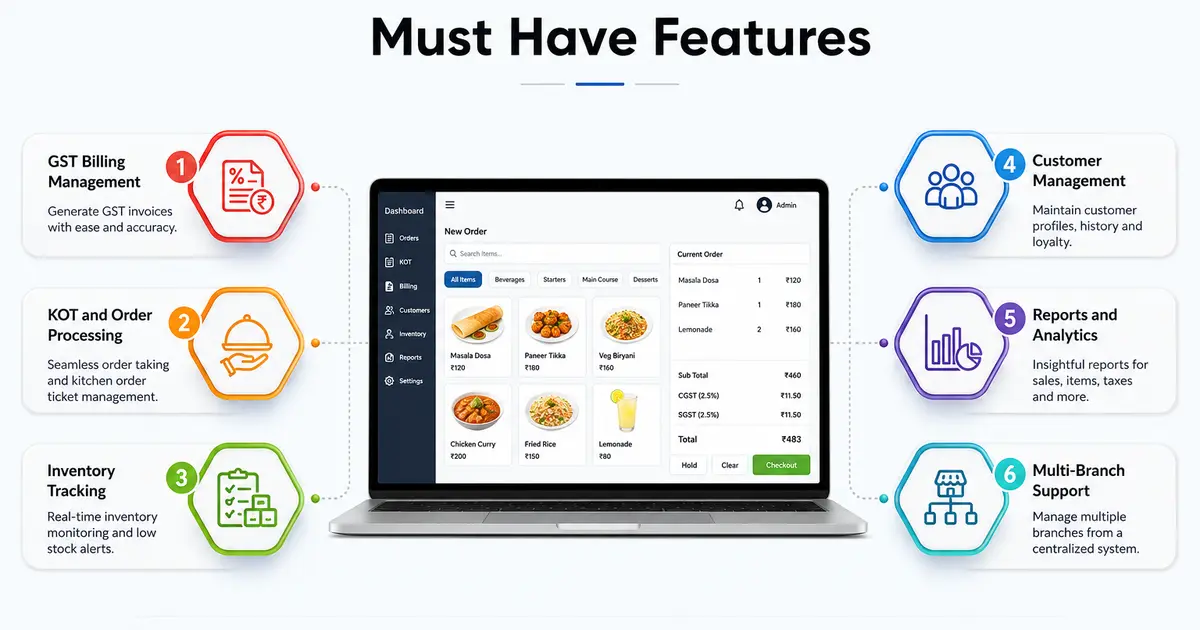
Restaurants should consider software that supports GST billing, KOT management, inventory tracking, customer databases, analytics dashboards, and centralized operational management.
| Restaurant Requirement | Software Feature | Business Outcome |
| Faster invoice generation | Billing automation | Reduced waiting time |
| Kitchen coordination | KOT management | Faster order delivery |
| Stock visibility | Inventory tracking | Better inventory control |
| Customer management | Customer database | Better customer experiences |
| Business reporting | Analytics dashboard | Better decision making |
| Multi-location monitoring | Centralized dashboard | Improved operational visibility |
GST Billing Management
What is GST billing management in restaurant software?
GST billing management helps restaurants automatically generate tax-compliant invoices and simplify billing activities during daily operations.
Restaurants process multiple transactions every day through dine-in services, takeaway orders, and online deliveries. Handling invoices manually during busy business periods may increase billing errors and consume additional staff time.
For example, a restaurant processing lunch-hour customer traffic may generate a large number of invoices within a short period. Automated billing systems help staff create invoices faster and improve operational consistency.
Business Benefits:
✔ Faster invoice generation
✔ Reduced billing errors
✔ Improved billing accuracy
KOT and Order Processing
How does KOT management improve restaurant operations?
Kitchen Order Ticket (KOT) management improves communication between restaurant staff and kitchen operations by transferring customer order information automatically.
Restaurants handling multiple customer orders simultaneously often require faster communication between front-end and kitchen teams. Manual order transfer may create delays or increase the possibility of order confusion.
For example, restaurants managing dine-in customers and takeaway services simultaneously can send customer orders directly to kitchen operations without repeated manual entry.
Business Benefits:
✔ Faster kitchen coordination
✔ Reduced order confusion
✔ Better workflow efficiency
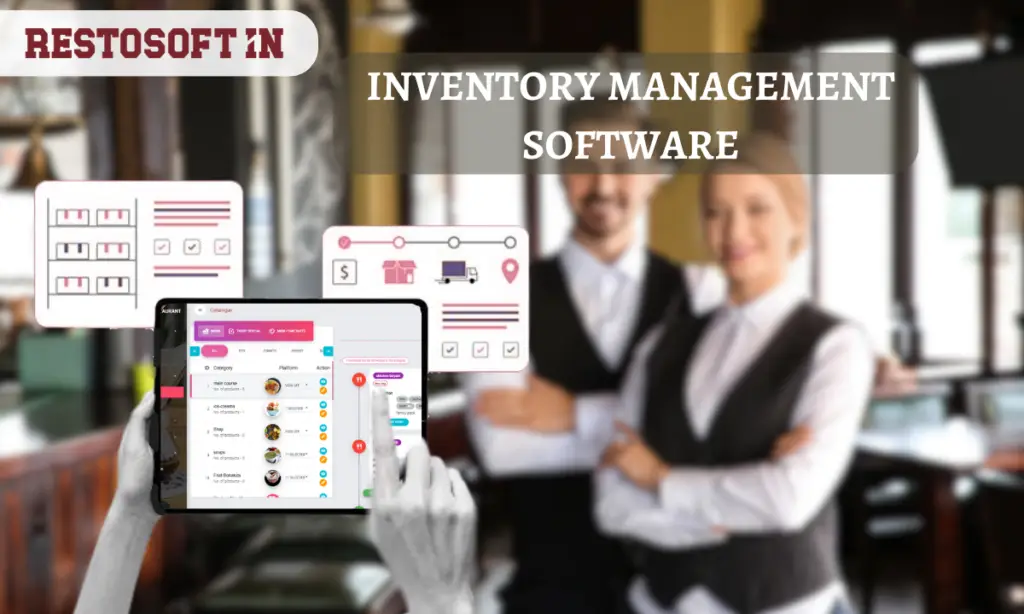
Inventory Tracking
Why is inventory tracking important for restaurants?
Inventory tracking helps restaurants monitor stock availability, ingredient usage, and purchasing requirements in real time.
Restaurants use ingredients continuously throughout the day, and inventory levels frequently change. Without inventory visibility, businesses may experience stock shortages or over-ordering situations.
For example, restaurants preparing for evening customer traffic can review inventory levels before shortages affect operational activities.
Business Benefits:
✔ Better stock visibility
✔ Reduced ingredient shortages
✔ Improved inventory control
Customer Management
How does customer management help restaurants?
Customer management systems help restaurants maintain customer information, purchase history, and engagement records.
Restaurants serving repeat customers often benefit from understanding customer behaviour and preferences. Maintaining customer data manually can become difficult as business operations grow.
For example, restaurants can identify repeat customer purchasing patterns and improve customer engagement activities through centralized databases.
Business Benefits:
✔ Better customer understanding
✔ Improved customer engagement
✔ Better repeat customer management
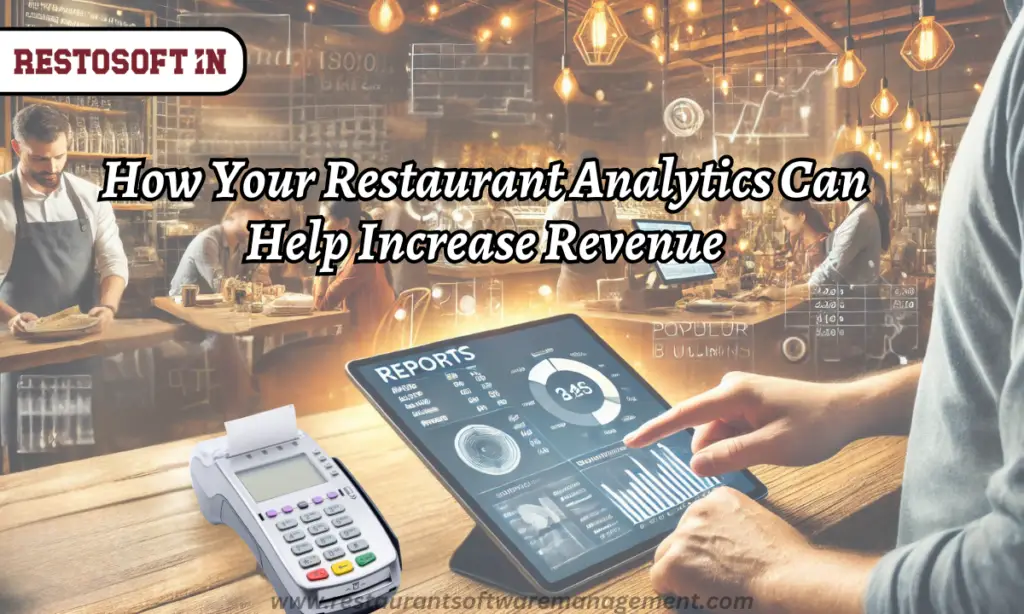
Reports and Analytics
Why are reports and analytics important for restaurants?
Reports and analytics help restaurant businesses monitor operational performance, sales activities, and business trends.
Restaurant owners frequently require operational insights for decision-making processes. Manual reporting activities may consume additional time and reduce visibility.
For example, managers can review daily sales activities, billing performance, and operational patterns from centralized dashboards.
Business Benefits:
✔ Better decision making
✔ Faster business insights
✔ Improved operational visibility
Multi-Branch Support
How does multi-branch support improve restaurant management?
Multi-branch management allows restaurant businesses to monitor multiple locations from a centralized dashboard.
Restaurants operating across multiple branches often require better visibility into billing activities, inventory movement, and operational workflows.
For example, business owners managing multiple restaurant locations can monitor activities without reviewing separate systems individually.
Business Benefits:
✔ Centralized branch visibility
✔ Improved operational monitoring
✔ Better scalability
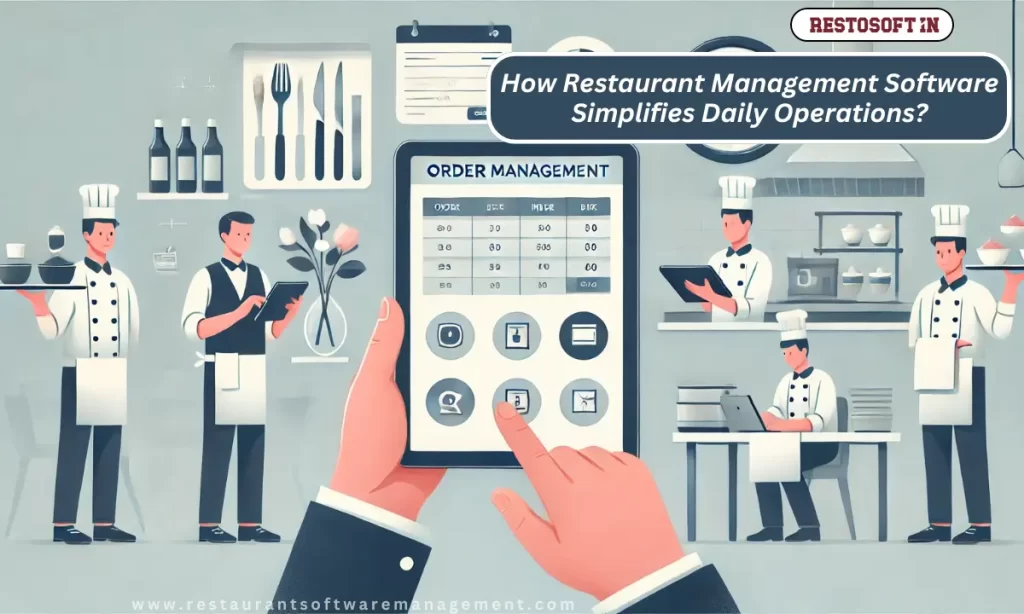
How Restaurant Software Improves Daily Restaurant Operations
Restaurants handling dine-in customers, takeaway orders, and online deliveries simultaneously often use Restaurant Billing Software in Chennai systems for centralized workflow management.
| Restaurant Activity | Manual Process | Software-Based Process |
|---|---|---|
| Order handling | Separate tracking methods | Centralized workflows |
| Billing activities | Manual invoice generation | Automated billing |
| Inventory monitoring | Manual updates | Real-time stock visibility |
| Report generation | Time-consuming process | Instant reporting |
| Multi-location management | Difficult monitoring | Centralized dashboards |
Morning Operations
Restaurant teams usually begin daily activities by reviewing stock levels and operational requirements. Restaurant software helps managers check inventory availability and prepare operations efficiently before serving customers.
Afternoon Operations
Restaurants often manage customer orders, billing activities, and kitchen coordination simultaneously. Centralized systems improve workflow visibility and reduce manual processes.
Peak Hour Operations
Restaurants processing dine-in customers and takeaway orders during busy periods require faster workflows. Businesses using Restaurant Billing Software in Chennai solutions can improve billing speed and reduce customer waiting time.
End-of-Day Operations
Managers regularly review daily sales activities and operational reports. Restaurant software simplifies reporting by providing centralized dashboards and business insights.
How to Choose the Right Restaurant Software
Restaurants should select software based on operational requirements, inventory management capabilities, reporting tools, scalability, and future business goals.
Choosing software based only on billing functionality may create limitations as restaurant operations expand. Businesses usually require systems that support inventory visibility, customer management, reporting dashboards, and operational workflows from a centralized platform.
For example, restaurants planning future expansion or managing multiple locations may require software that supports centralized visibility and scalable operations.
Checklist for Choosing Restaurant Software:
✔ Cloud access for remote monitoring
✔ Billing automation for faster invoice generation
✔ Inventory management for stock visibility
✔ Customer databases for customer tracking
✔ Reporting tools for operational insights
✔ Multi-location support for branch management
✔ Technical assistance for support requirements
✔ User-friendly interface for easier staff usage
Conclusion
Managing restaurant operations efficiently requires more than basic billing functionality. Inventory visibility, customer management, workflow coordination, analytics, and reporting all contribute to improving operational performance.
Restaurants looking for centralized operational management can use software solutions to simplify workflows and improve business efficiency. Restosoft provides restaurant management solutions designed to support billing, inventory tracking, customer management, reporting, and daily restaurant activities.
Contact Restosoft
Website: Restosoft Official Website
Phone: 9703710335
Email: restosoftinsales@gmail.com
Transform Restaurant Management with Centralized Software Solutions
Looking for a centralized solution for restaurant billing, inventory tracking, reporting, and operational management?
Contact Restosoft today and explore software solutions designed to support smoother restaurant workflows and business growth.