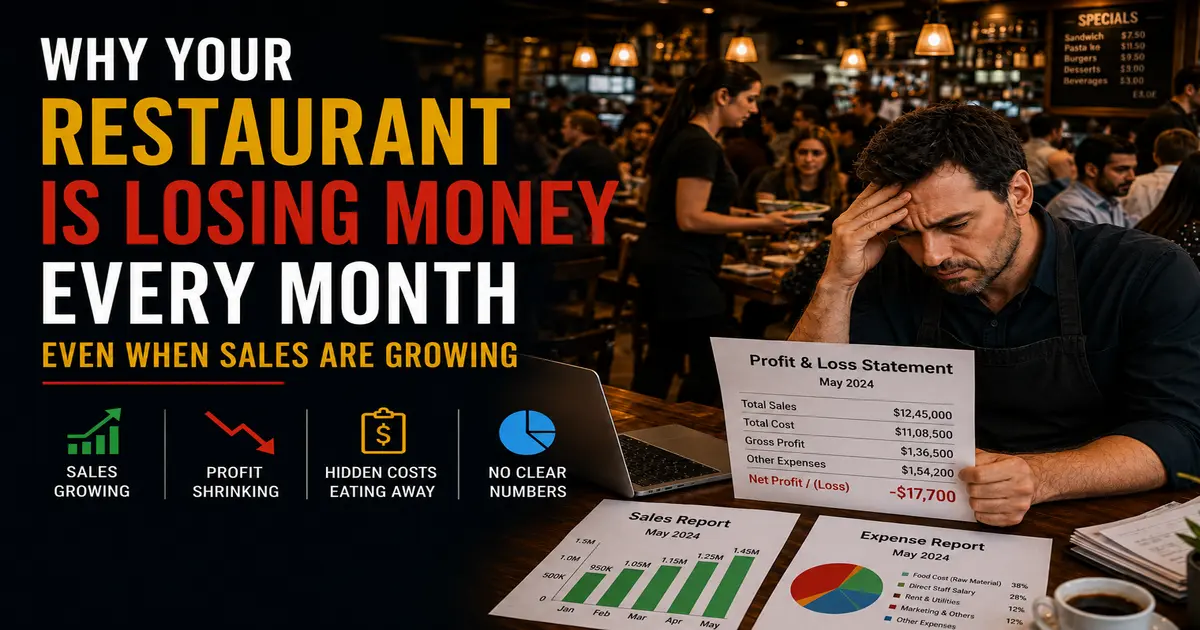
Why Your Restaurant Is Losing Money Every Month Even When Sales Are Growing
The Night That Changed Everything
It was a Saturday evening in Hyderabad. Every table at Ramesh's 45-cover casual dining restaurant was taken. The kitchen was firing. His Zomato dashboard showed 60 delivery orders by 9 PM. His staff were running at full pace. By every measure, it was his best month ever.
Then he opened his accounts on the 2nd of the following month.
Net profit: ₹18,000.
On ₹11 lakh in revenue.
He sat in silence for a long time. "How can I be this busy and still not make money?"
Ramesh is not alone. Across India — from QSR owners in Bengaluru's Koramangala to tiffin centres in Tirupati to fine dining restaurants in Chennai's Nungambakkam — this is the single most common and most demoralising reality in the restaurant business today.
Sales are growing. Profits are disappearing.
And the cruellest part? The reasons are almost never the ones you suspect.
Why Growing Sales Can Actually Mask a Dying Business
Here is the uncomfortable truth about the Indian restaurant industry: revenue is a vanity metric. Profit is the only number that matters.
When sales go up, every signal inside the restaurant turns positive. The owner feels validated. The team is motivated. Suppliers cooperate because you are ordering more. Nobody questions whether the growing revenue is actually generating more money because the energy of a busy restaurant makes it feel like it must be.
That emotional momentum is what makes this problem so dangerous.
While the restaurant feels profitable, operational costs are quietly multiplying at the same pace as revenue or faster. And because most Indian restaurant owners only review finances monthly, the damage has already compounded for 30 days by the time it surfaces.
Here is what is really happening behind the busy dining room:
| What the Owner Sees | What Is Actually Happening |
|---|---|
| More covers every weekend | Wastage growing in absolute ₹ terms at the same wastage rate |
| More Zomato and Swiggy orders | 18–25% delivery commission consuming a growing share of every order |
| Higher monthly revenue total | Food costs rising because portioning is inconsistent across shifts |
| Kitchen running at capacity | Labour costs swelling through untracked overtime |
| Full tables during peak hours | Slow billing losing 20–25 covers per service in unrealised revenue |
This is not bad luck. It is not the economy. It is not competition from the new cloud kitchen down the road.
It is a set of specific, named, fixable operational leaks and every one of them has a rupee value attached to it.
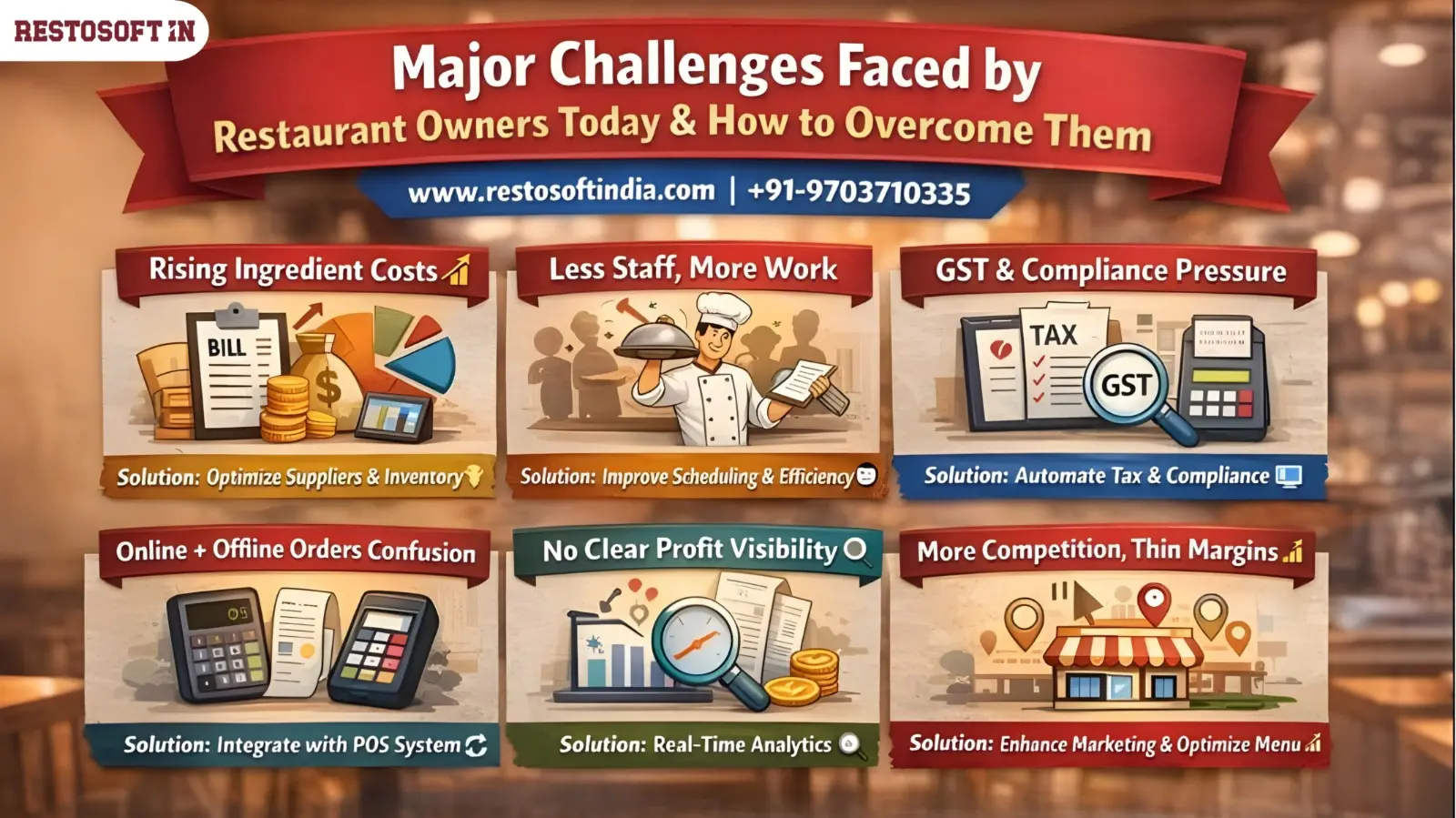
6 Silent Profit Killers Draining Your Restaurant Right Now
1: Inconsistent Portioning Is Silently Eating Your Margins
Picture a busy Saturday kitchen. Your head chef plates butter chicken. The recipe card says 180g of chicken. He puts 230g — because it looks "right" on the plate and he is moving fast. The customer pays the same ₹320 either way.
But your food cost for that dish just increased by 28%.
The rupee maths:
A restaurant serving 100 butter chicken portions daily at ₹350/kg for chicken 50g extra per plate equals ₹17.50 of unpriced food cost per dish.
- Daily loss: ₹1,750
- Monthly loss: ₹52,500
- Annual loss: ₹6.3 lakh
From one portioning habit. On one dish.
Now multiply that across 15–20 items on your menu where no standard recipe is enforced at station level, and annual food cost variance from portioning inconsistency alone can cross ₹30–50 lakh for a mid-size Indian restaurant.
2: Wastage Nobody Tracks Until It's Too Late
Ask any restaurant owner in India: "What was your exact ingredient wastage cost last month?"
Most will pause. Most will guess. Most will admit they genuinely do not know.
That uncertainty is the problem. Wastage exists at three distinct and costly stages in every kitchen:
- Raw stage — tomatoes bought Monday spoiling by Thursday because the weekend did not use them
- Preparation stage — curry base cooked for 60 portions when only 35 were ordered; discarded at end of service
- Plate stage — orders cancelled after food was prepared, kitchen errors, wrong dishes fired
The rupee impact at different wastage rates:
| Monthly Revenue | Wastage Rate | Monthly Wastage Cost |
|---|---|---|
| ₹8 lakh | 5% | ₹40,000 |
| ₹8 lakh | 8% | ₹64,000 |
| ₹10 lakh | 10% | ₹1,00,000 |
| ₹15 lakh | 6% | ₹90,000 |
A restaurant doing ₹10 lakh/month with 10% wastage — not unusual without tracking is throwing ₹1,00,000 into the bin every single month. That is ₹12 lakh per year in food that was purchased, partially prepared, and discarded.
Without a real-time inventory system logging every unit, wastage is invisible. And invisible costs always grow.
3: Your Zomato and Swiggy Orders Are Not as Profitable as They Look
When you first joined Zomato and Swiggy, those incremental orders felt like free money. Today, after platform commissions of 18–25%, payment gateway fees, mandatory discounts, and packaging the economics of your delivery channel have changed completely.
Here is what actually happens to a ₹300 delivery order:
| Item | Amount |
|---|---|
| Customer pays | ₹300 |
| Platform commission at 22% | −₹66 |
| Payment gateway fee at 2% | −₹6 |
| Packaging cost | −₹15 |
| Revenue reaching the kitchen | ₹213 |
| Food cost at 35% of ₹300 | −₹105 |
| Labour and overhead allocation | −₹70 |
| Your actual net profit | ₹38 |
₹38 on a ₹300 order. That is 12.7% net margin — before rent.
If 70–80% of your volume runs through delivery platforms and you have never done this exact calculation, you are growing your lowest-margin channel while potentially starving the dine-in channel that generates two to three times more profit per order.
Delivery is not the enemy. Operating delivery without channel-wise profitability data is.
4: Staff Costs Growing Faster Than You Can See
Indian restaurant kitchens run on overtime by default. The scheduling designed for ₹5 lakh monthly revenue keeps operating when the business scales to ₹10 lakh with the same team working longer, harder, and on untracked overtime rather than smarter scheduling.
Most restaurant owners in India discover inflated labour costs only when salary processing happens. By then, four weeks of excess expenditure have already been paid out.
The Indian restaurant industry benchmark for labour cost is 25–31% of revenue. Without demand-linked scheduling, it silently drifts to 35–40%.
The monthly cost of that drift:
| Monthly Revenue | Healthy Labour (28%) | Actual Labour (37%) | Monthly Overspend |
|---|---|---|---|
| ₹8 lakh | ₹2.24 lakh | ₹2.96 lakh | ₹72,000 |
| ₹10 lakh | ₹2.80 lakh | ₹3.70 lakh | ₹90,000 |
| ₹12 lakh | ₹3.36 lakh | ₹4.44 lakh | ₹1.08 lakh |
For a restaurant at ₹10 lakh monthly revenue, this is ₹90,000 in preventable overspend every single month ₹10.8 lakh per year lost purely to scheduling that is based on habit rather than demand data.
5: Your Bestselling Dish Might Be Your Biggest Loss Maker
This is the one that shocks every restaurant owner when they first see the numbers.
A popular prawn biryani. A signature seafood platter. A special mutton handi. The dish that regulars come back for, that your social media post got 400 likes on may be running a food cost of 46–52% because of raw material prices.
Every time it sells, it consumes margin earned by the rest of your menu.
Menu engineering the practice of mapping every dish by both sales volume and actual contribution margin consistently reveals that 3–5 items on most Indian restaurant menus are net-negative after accounting for ingredient cost, preparation time, and overhead allocation. But without dish-level cost data linked to real sales volume, these items stay on the menu indefinitely because they are popular and nobody has done the maths.
Popularity is not the same as profitability. Knowing the difference is worth lakhs per year.
6: Slow Billing and Table Turnover Leakage During Peak Hours
In a high-rent location whether it is a busy street in Tirupati, a prime address in Vijayawada, or a mall kiosk in Chennai your fixed cost per square foot is significant. The only way to make those costs work is to maximise revenue per seat during the hours that actually matter.
Most restaurants lose substantial peak hour revenue to slow billing, staff occupied with previous table clearance who cannot seat new arrivals promptly, and no visibility into which tables have been occupied longer than typical dining time.
A 40-cover restaurant turning tables at 1.8x instead of an achievable 2.4x during a 3-hour dinner service loses approximately 24 covers per evening.
- At ₹500 average spend: ₹12,000 per evening in unrealised revenue
- Monthly: ₹3.6 lakh
- Annually: ₹43.2 lakh from table management inefficiency alone
Industry Benchmarks Every Indian Restaurant Owner Must Know
| Metric | Healthy Range | Danger Zone |
|---|---|---|
| Food Cost % | 28–35% of revenue | Above 38% |
| Labour Cost % | 25–31% of revenue | Above 36% |
| Prime Cost (Food + Labour) | 55–65% of revenue | Above 70% |
| Wastage Rate | Below 4–5% | Above 8% |
| Delivery Net Margin | 10–15% after all deductions | Below 8% |
| Table Turnover (Casual Dining) | 2.2–2.5x per service | Below 1.8x |
If you cannot produce these numbers for your restaurant in under five minutes without pulling multiple records you are managing a business without instruments. That is dangerous at any revenue level.
How Restosoft Closes Every One of These Profit Leaks
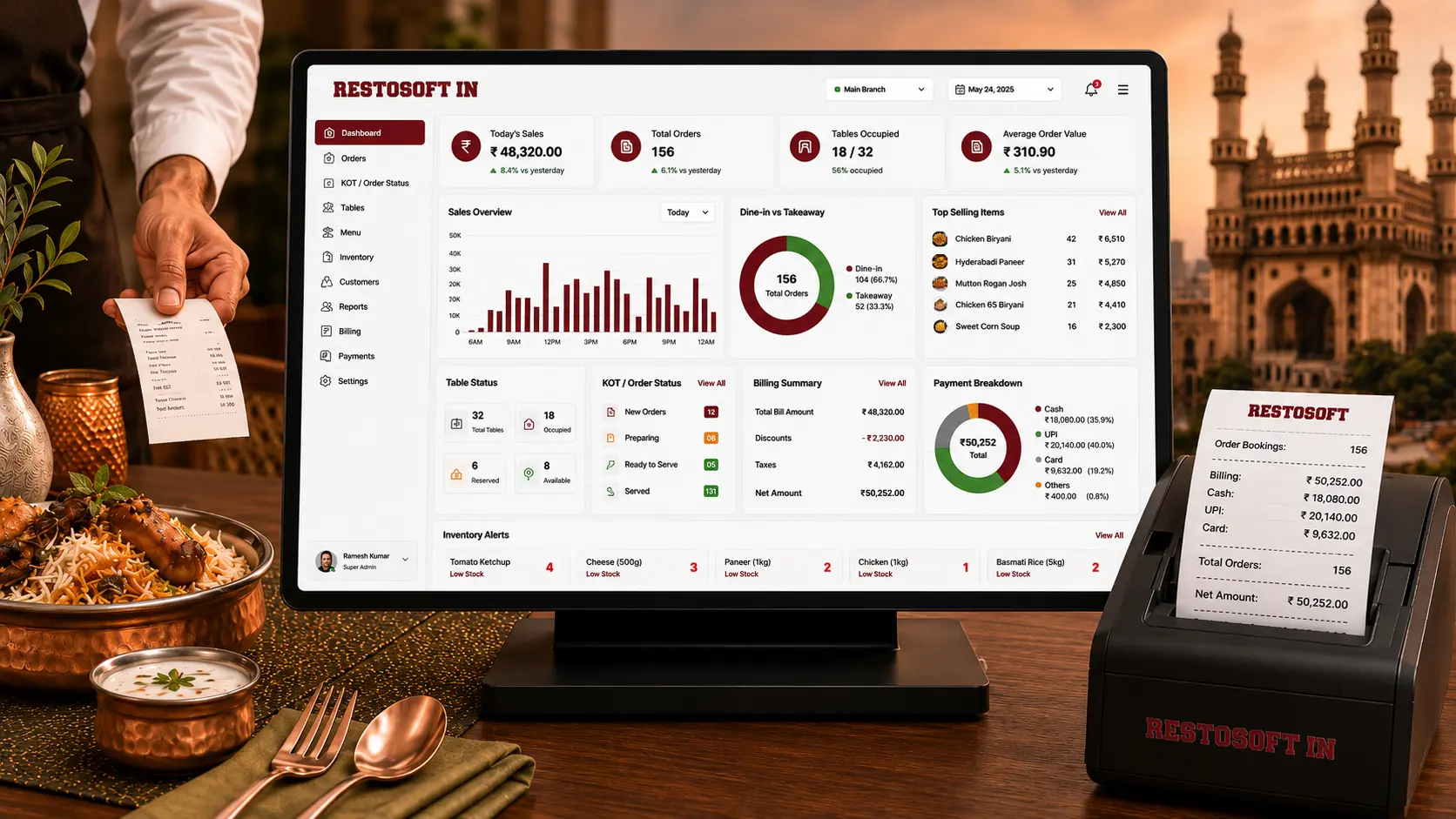
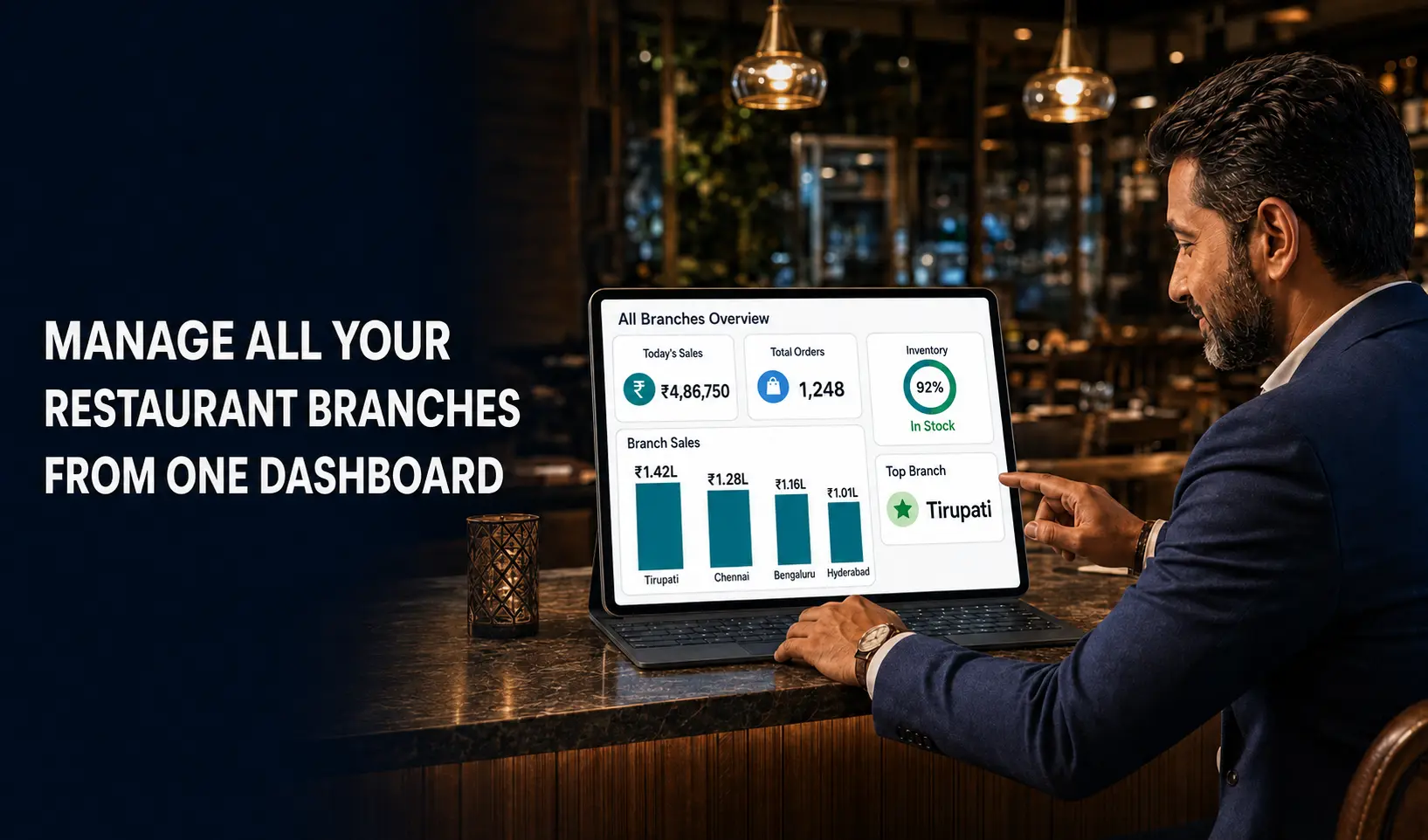
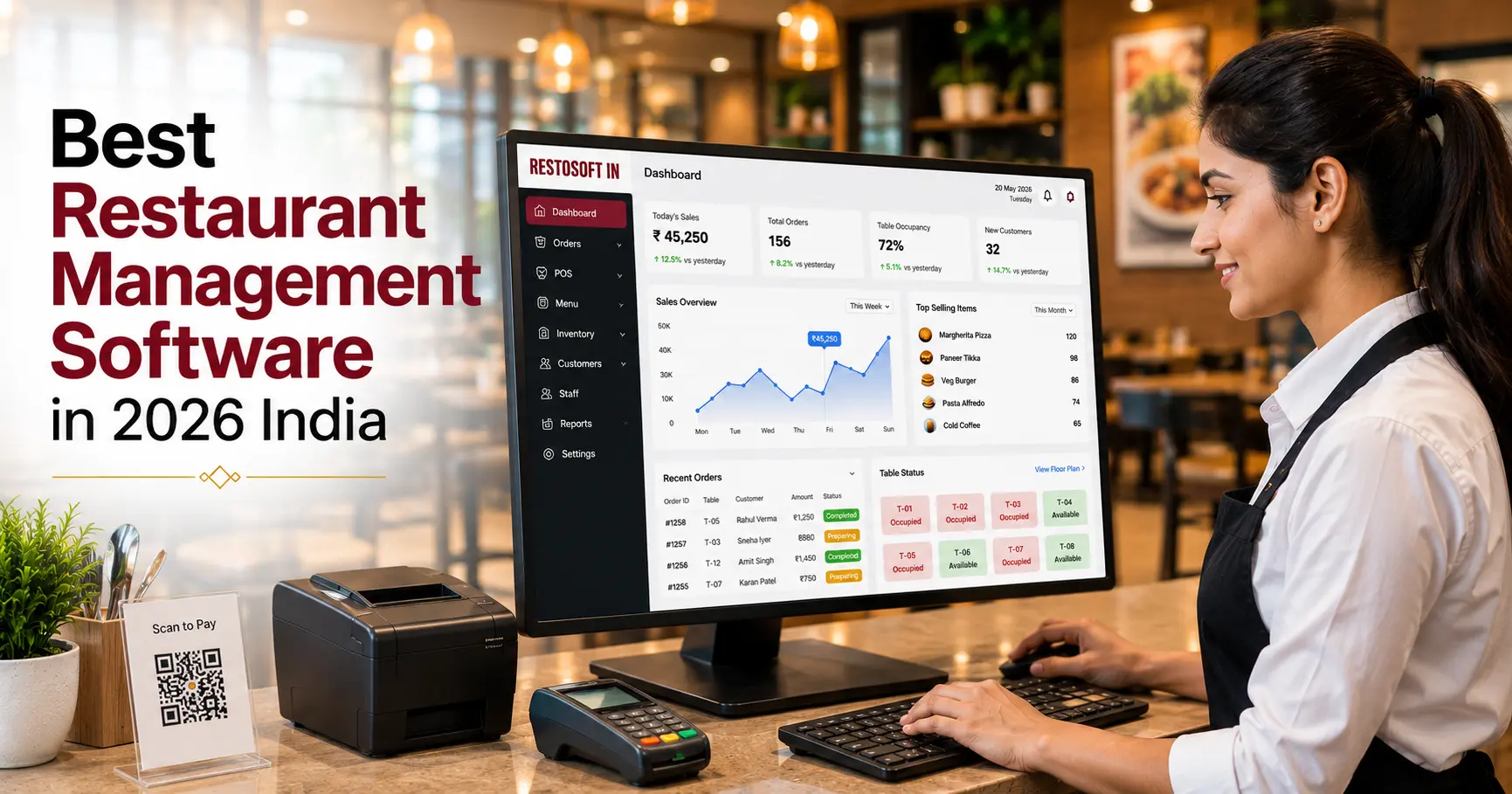
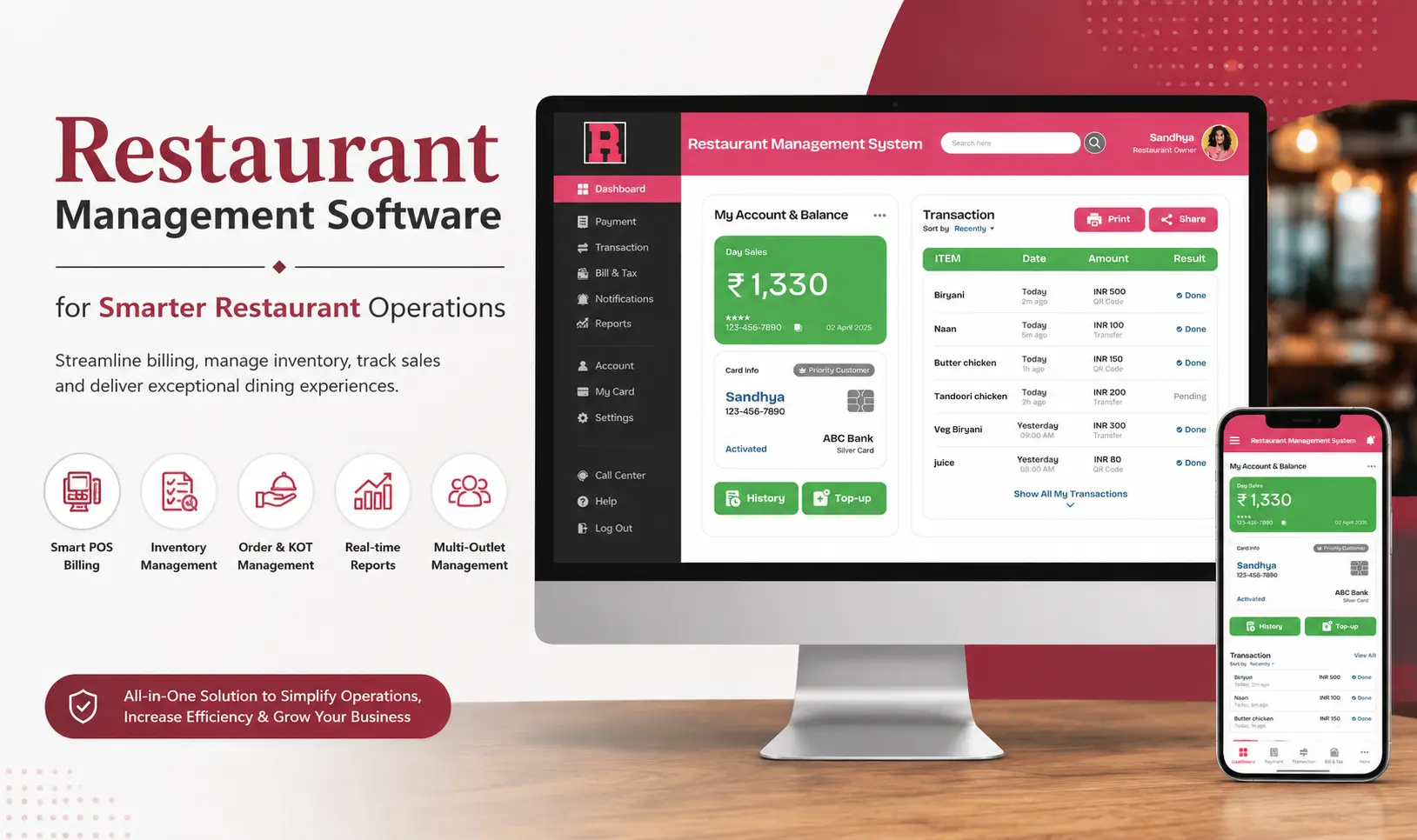
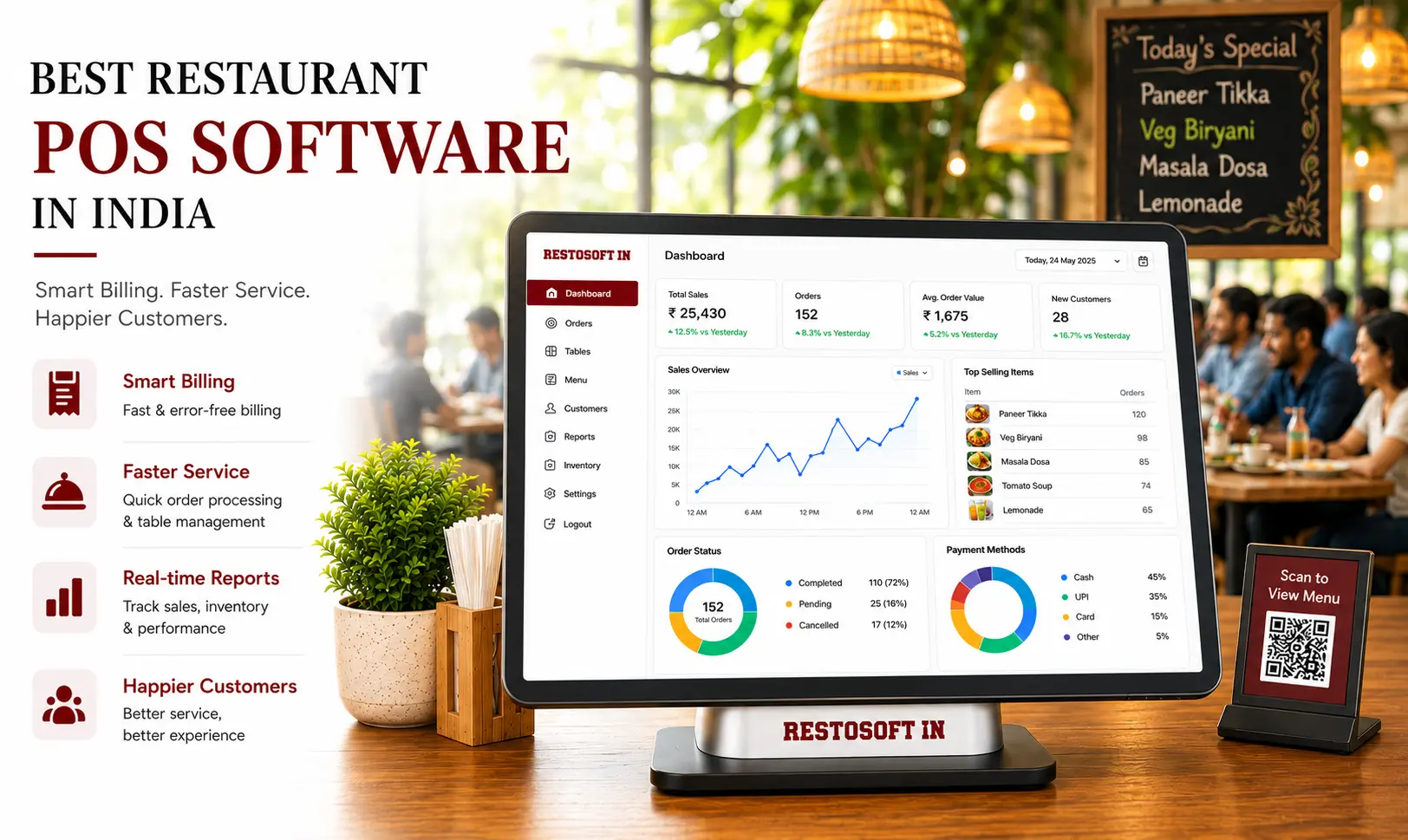
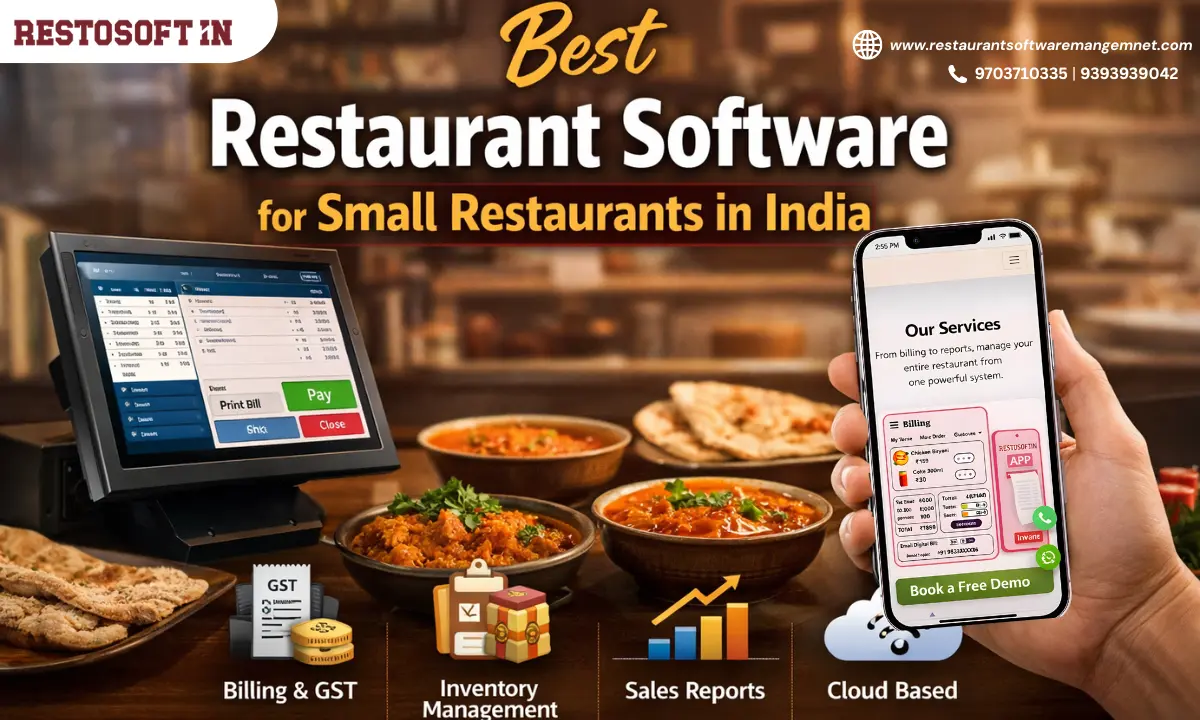
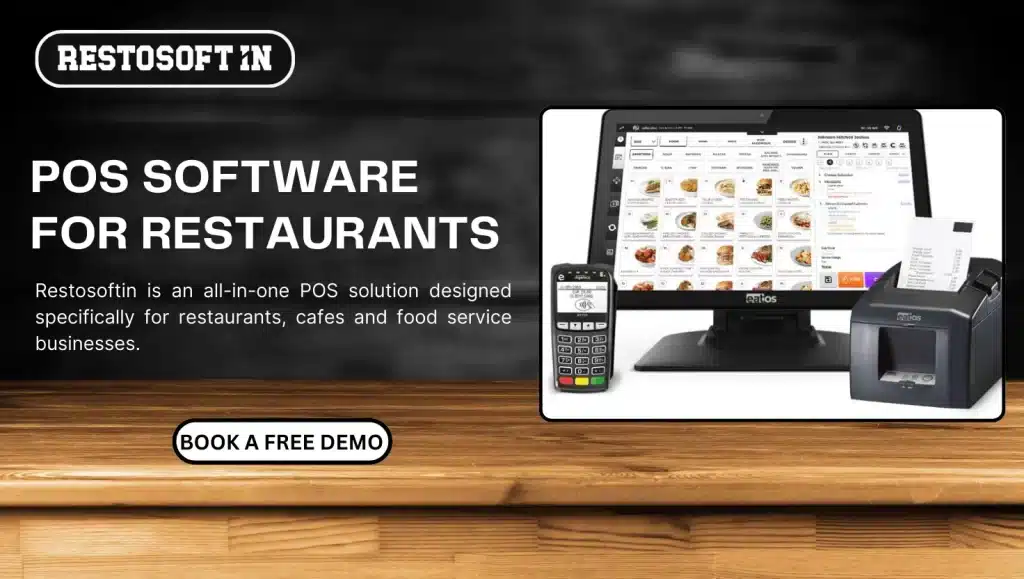
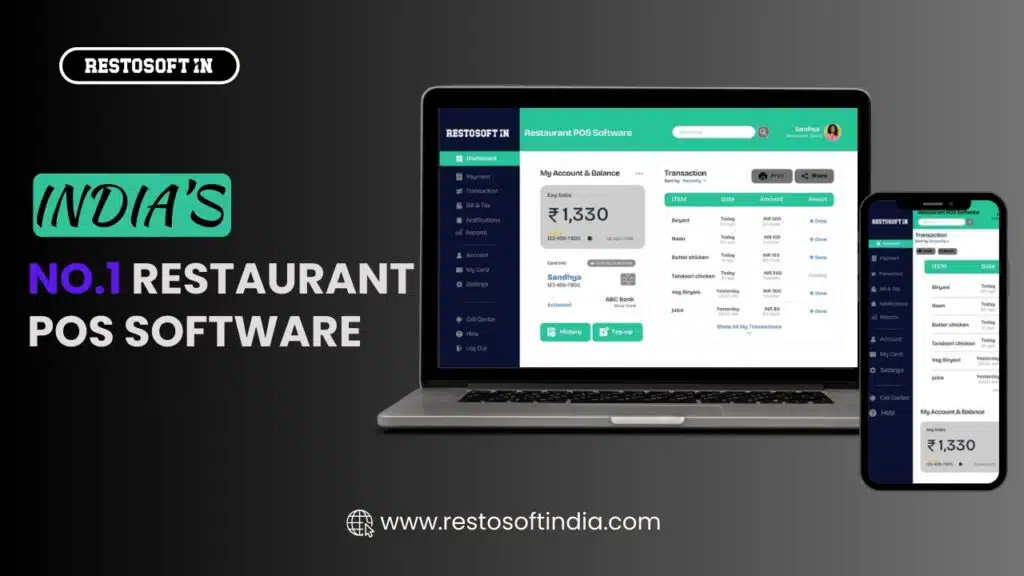
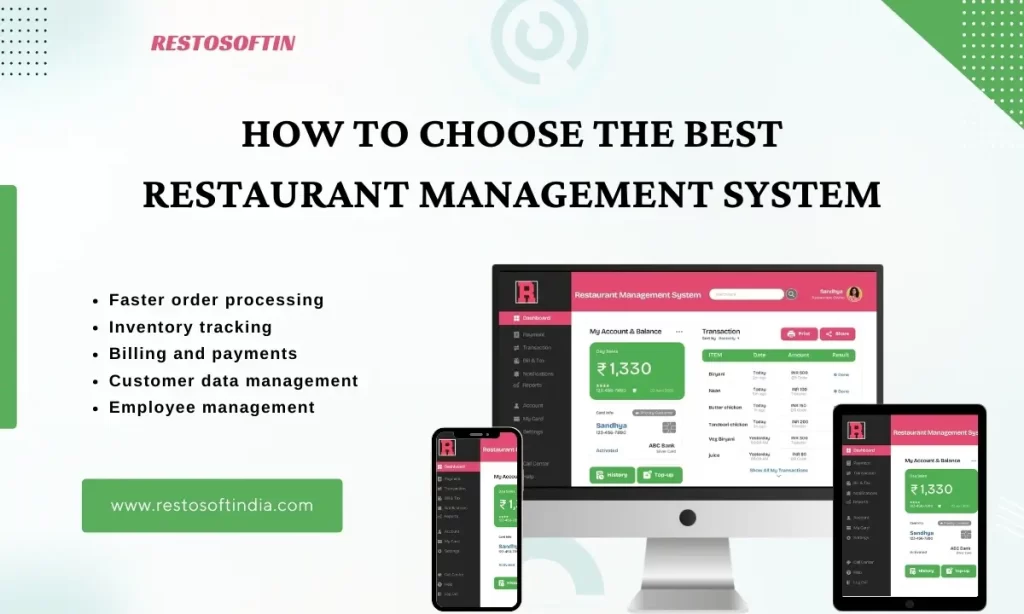
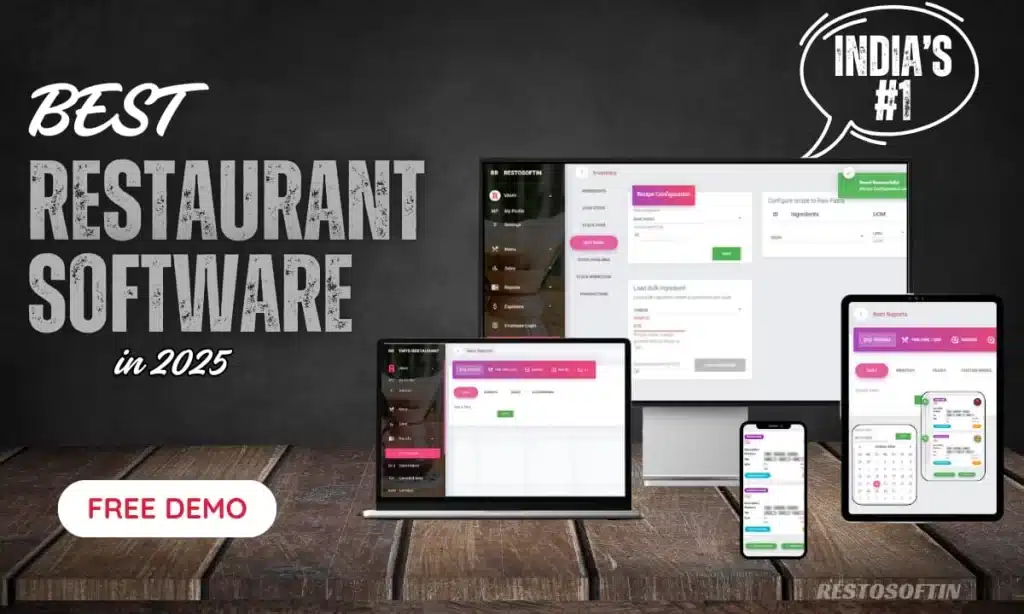
Restosoft is a complete restaurant management software built for Indian F&B businesses from standalone outlets in Tier-2 cities to multi location chains across India. It does not just process orders and print bills. It gives restaurant owners the real time operational visibility that turns a busy restaurant into a consistently profitable one.
Recipe-linked billing eliminates portioning variance:
Every item in RestosoftIN is mapped to exact ingredient quantities. Each sale auto-deducts correct amounts from live stock. Food cost percentage per dish updates in real time as supplier prices change so pricing decisions are always based on current data, not last month's assumptions.
Real-time inventory with day-end wastage reports:
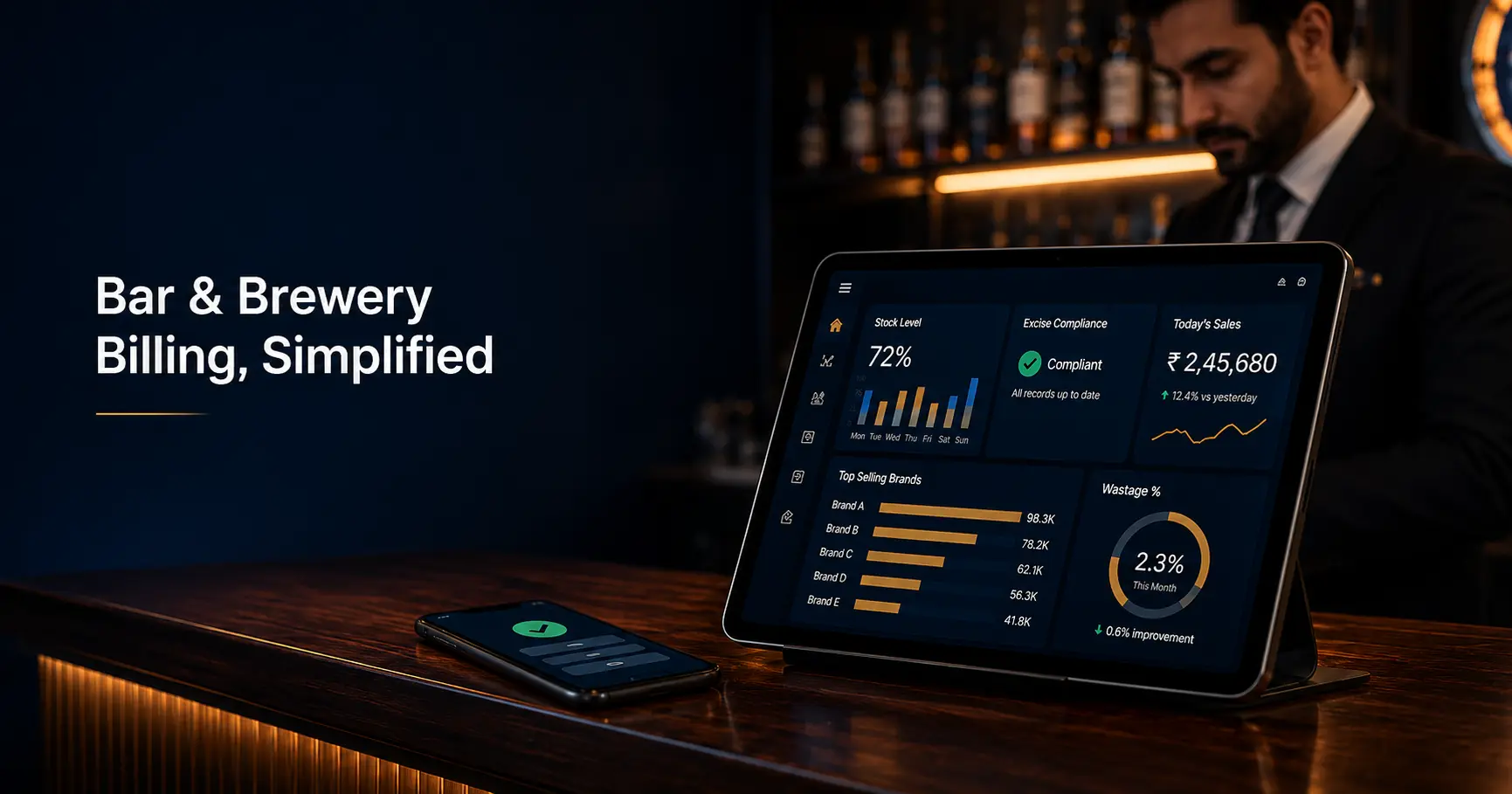
RestosoftIN provides item-wise auto-deduction on every sale, low-stock alerts before you run out mid-service, and daily reports showing exactly what was used, what remains, and what was wasted. Wastage transforms from an invisible monthly write-off into a daily, manageable metric.
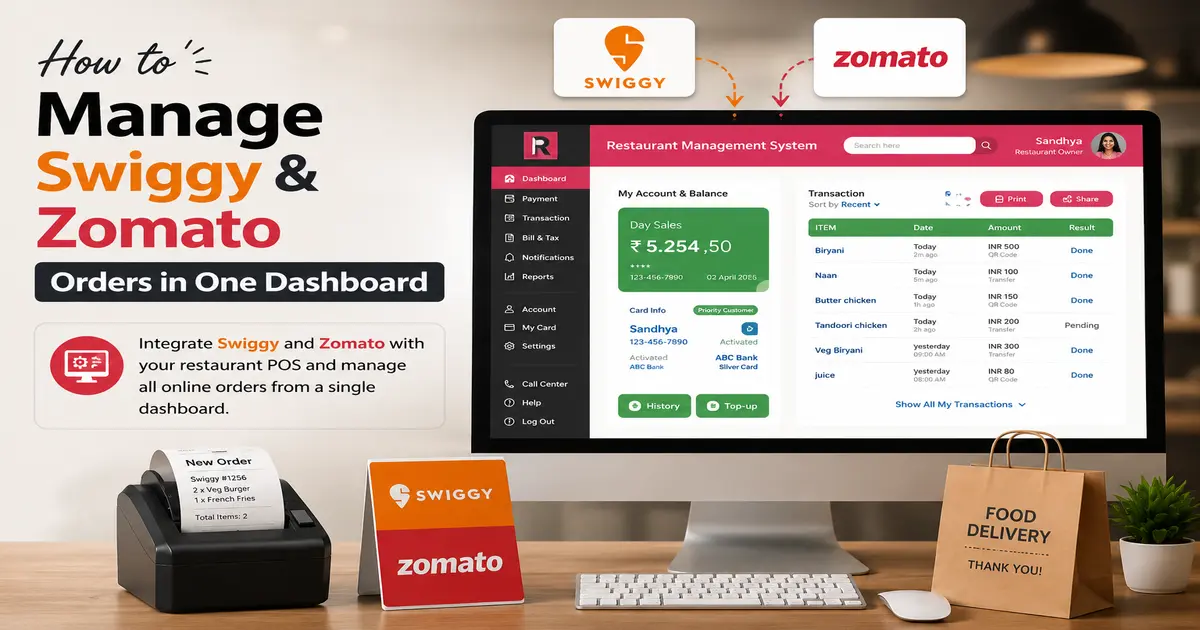
Channel-wise profitability reporting for Zomato, Swiggy, and dine-in:
Revenue is tracked separately per channel, with commission rates, packaging costs, and food costs applied. You see the real margin from every delivery order not just gross revenue and you make promotion and pricing decisions based on actual profitability, not platform rankings.
Labour visibility with daily cost tracking:
Staff clock-in and clock-out data generates a daily labour cost percentage alongside daily revenue. Overtime appears immediately before payroll, not after.
80+ business reports including dish-level margin analysis:
Restosoft reporting suite covers food cost tracking, slow-mover identification, sales analysis by category, and delivery channel performance giving you the data to run a menu and operation engineered for profit.
Fast mobile billing for better table turnover:
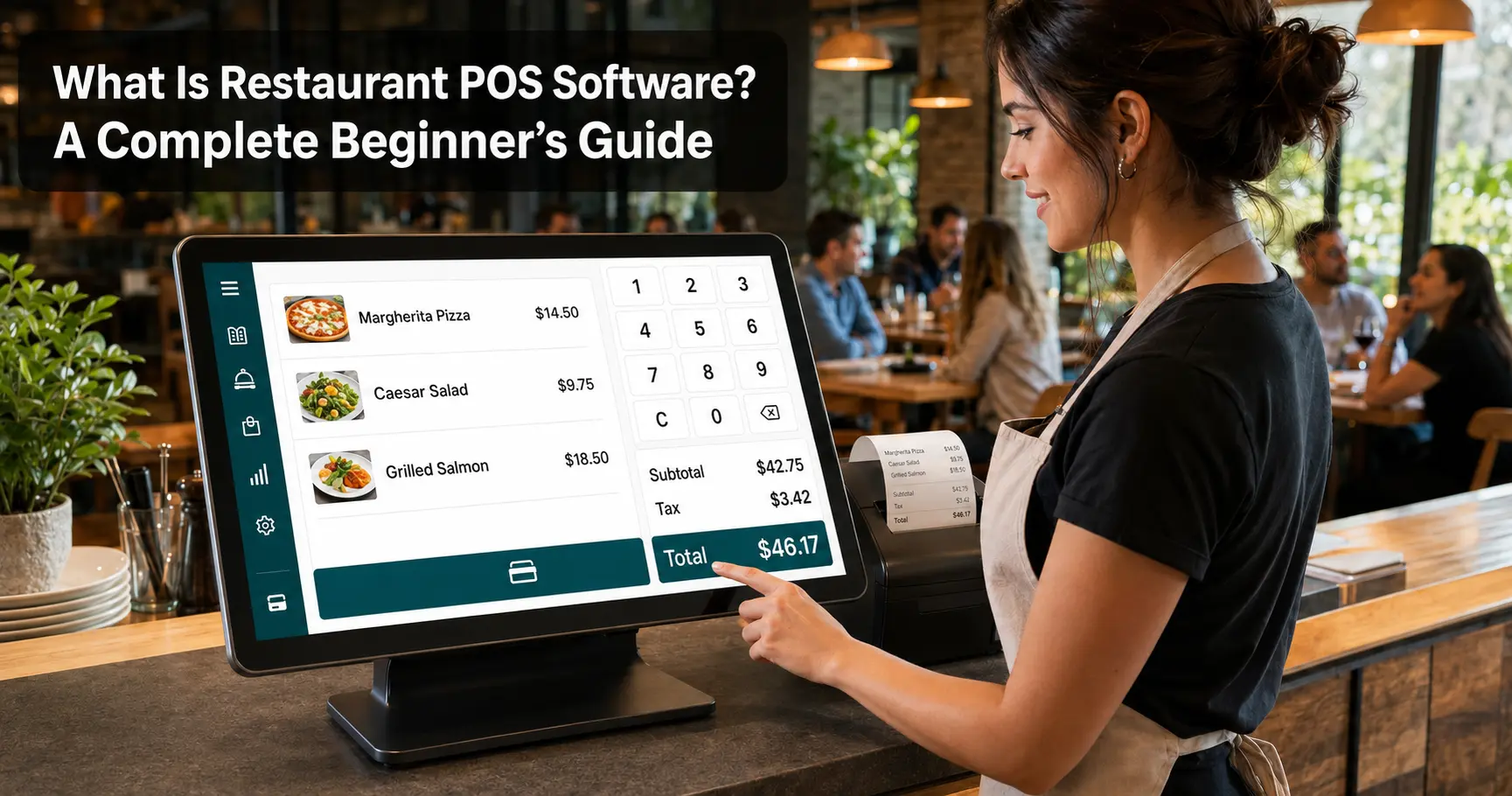
Orders on mobile devices, direct kitchen transmission, quick table close billing protecting peak hour revenue per available seat.
Problem vs Solution: What Changes with Restosoft
| Profit Problem | Root Cause | RestosoftIN Solution | Estimated Monthly Recovery |
|---|---|---|---|
| Portioning inconsistency | No recipe standard at station level | Recipe-linked billing with livestock deduction | ₹20,000–₹55,000 |
| Invisible wastage | No tracking or daily reporting | Real-time inventory + day-end wastage reports | ₹30,000–₹1,00,000 |
| Delivery margin blindness | No channel-wise cost accounting | Per-channel P&L after commissions | ₹15,000–₹40,000 |
| Labour cost drift | No demand-based scheduling | Daily labour % tracking with overtime visibility | ₹40,000–₹1,10,000 |
| Unprofitable menu items | No dish-level margin data | 80+ reports including dish contribution analysis | ₹20,000–₹60,000 |
| Table turnover leakage | Slow billing and no turnover visibility | Mobile billing with fast table-close | ₹40,000–₹1,80,000 |
| Total monthly recovery | ₹1.65 lakh–₹5.45 lakh |
Conservative estimates for a restaurant doing ₹8–15 lakh monthly revenue.
5 Numbers You Must Know Every Single Day Not Every Month
| Daily Metric | What It Tells You | Target |
|---|---|---|
| Food Cost % Today | Whether kitchen is producing within cost standard | 28–35% |
| Labour Cost % Today | Whether staffing matched today's demand | 25–31% |
| Today's Wastage (₹) | What walked out with the bin last night | Below 4% of revenue |
| Delivery Net Margin (Per Channel) | Which aggregator is actually worth growing | Above 12% |
| Table Turnover Rate | Whether peak hours are being maximised | 2.2x+ for casual dining |
Tracking these daily is the single biggest operational shift a restaurant owner can make. Not because the numbers are complicated but because knowing them daily forces the right conversations with the kitchen, the floor team, and the supplier before a bad week becomes a bad month.
Conclusion:
The Restaurants That Make Money in 2026 Have One Thing Others Don't
Success in the restaurant business is no longer defined by location, marketing budget, or even footfall alone. In 2026, profitable restaurants are built on one key factor visibility into operations and costs.
Successful restaurant owners track food costs, delivery margins, staff expenses, and daily sales in real time. They identify loss-making items early, control operational leakages, and make faster business decisions backed by data.
Your restaurant is already attracting customers. Now it is time to gain complete control over the numbers that drive profitability.
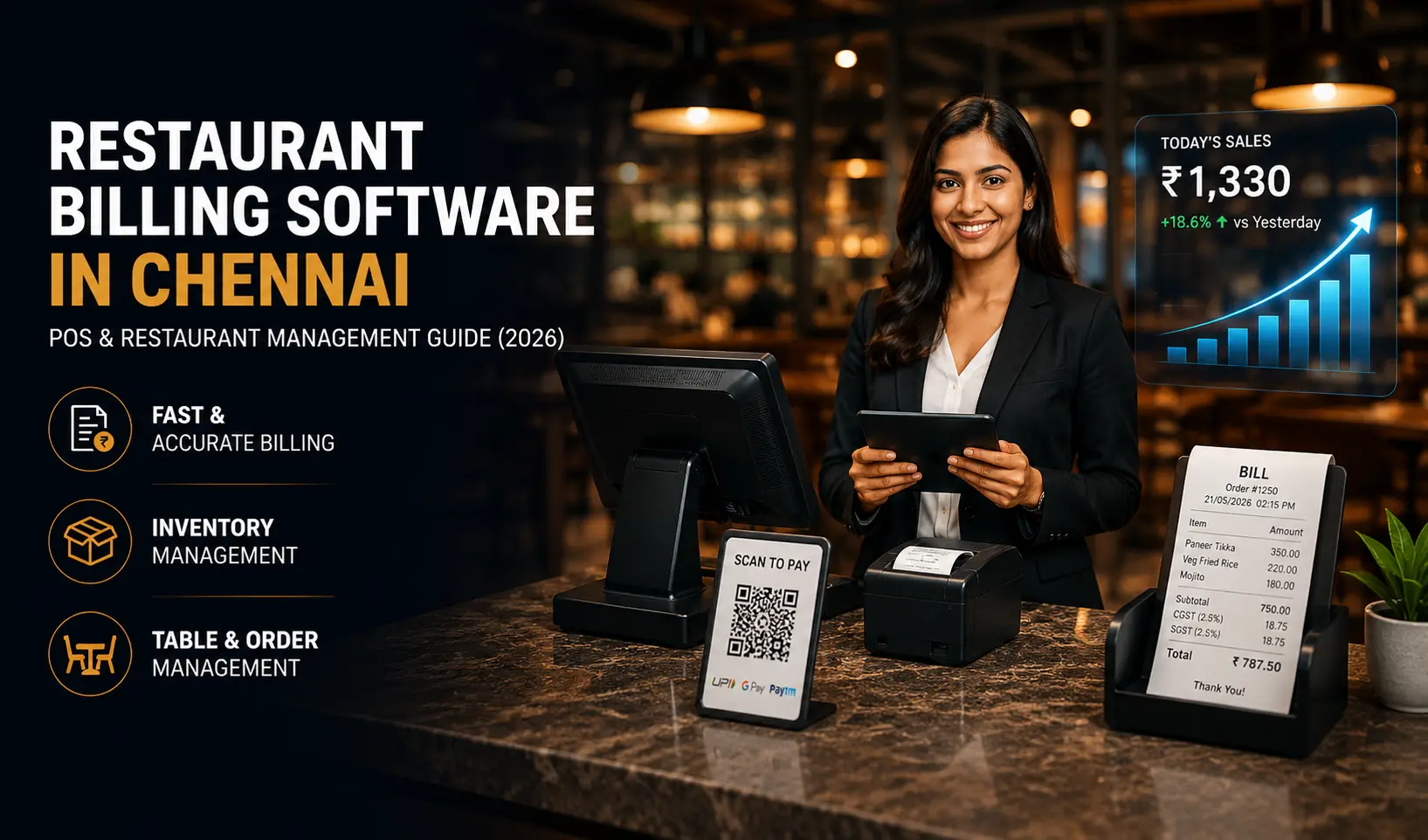
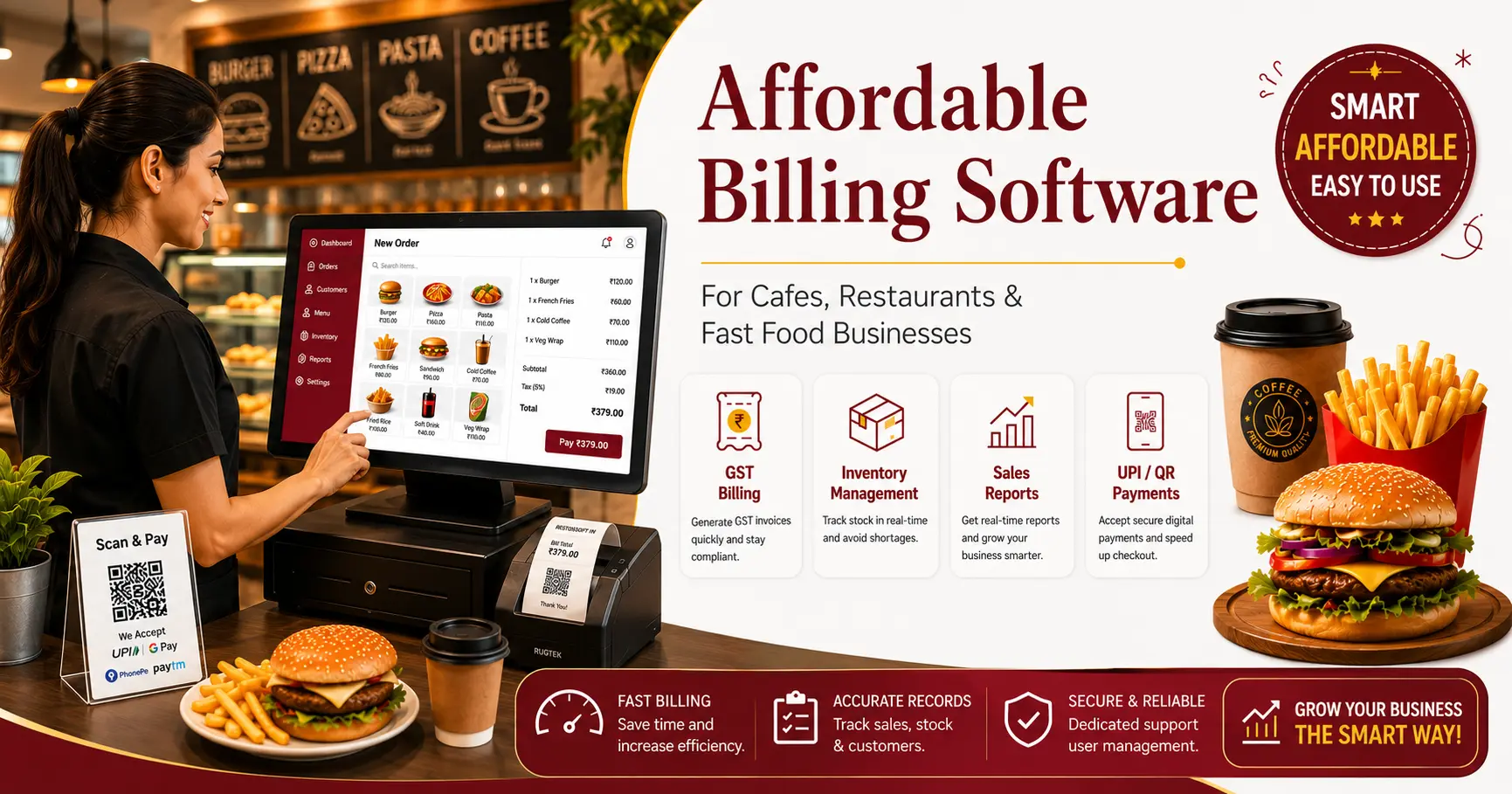
Restosoft helps restaurants manage billing, inventory, delivery platforms, staff costs, and GST compliance through one easy-to-use platform designed for Indian restaurants.
Talk to our Restosoft Experts
Email: restosoftinsales@gmail.com
Or WhatsApp our team directly we respond within minutes.
Or call us at 9703710335
Book a free demo today and discover how Restosoft can help improve operational efficiency and restaurant profitability.