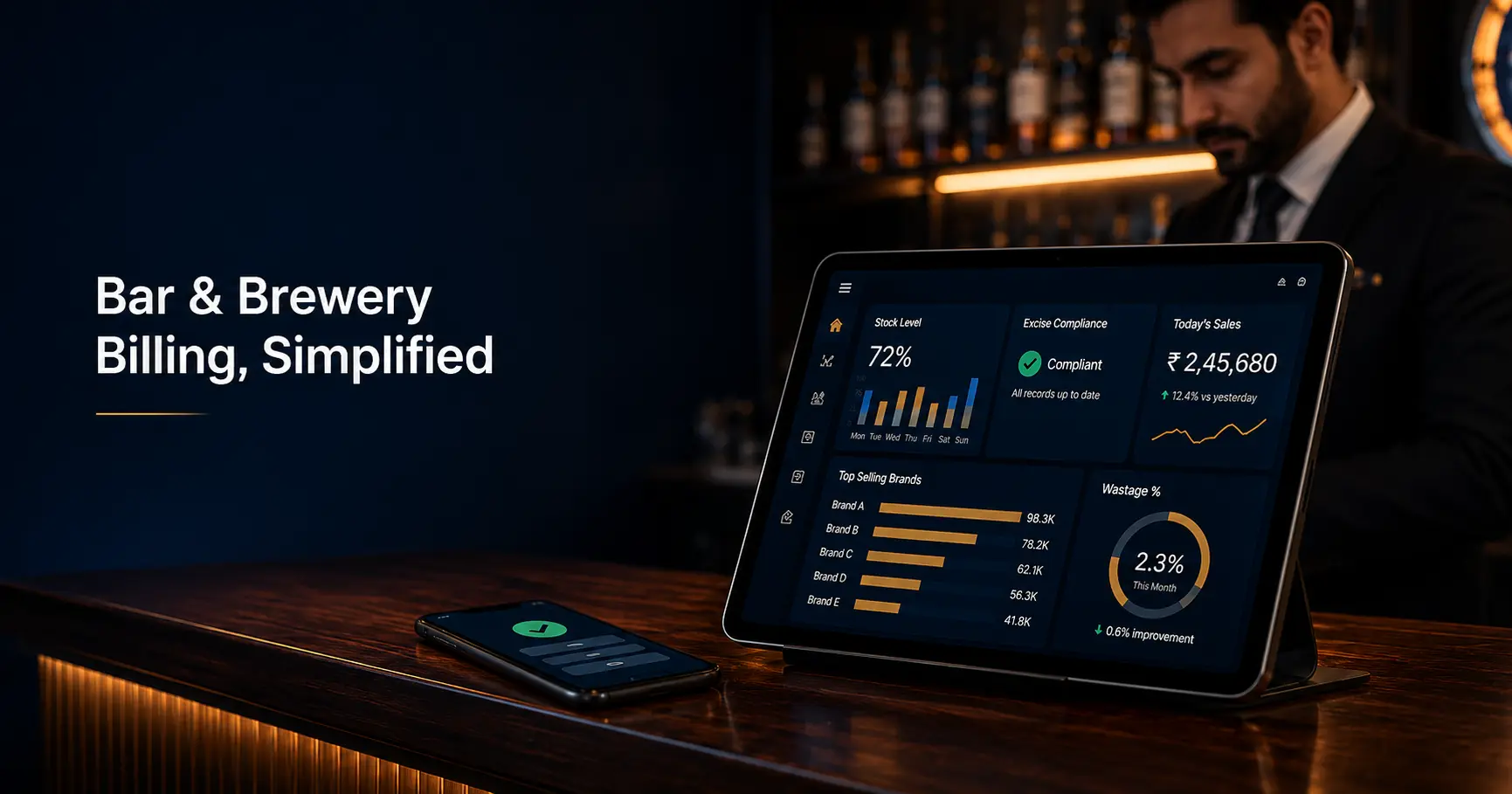
It's 11 PM on a Saturday. The bar is three deeps in orders, and somewhere in the back office, a manager is staring at a stock sheet that doesn't add up the whisky on the shelf doesn't match what the register says was sold. Add a surprise excise inspection the next morning, and you've got the exact scenario that generic restaurant billing software was never designed to prevent.
Having worked with restaurant and bar operators across India managing everything from single outlets to multi-branch chains, one pattern shows up again and again: businesses that treat bar & brewery billing software as "restaurant POS with an alcohol menu" are the ones that struggle hardest with stock mismatches and excise audits. The businesses that get it right treat alcohol billing as its own discipline because legally and operationally, it is.
This guide walks through exactly what bar & brewery billing software needs to handle in India, why it's fundamentally different from standard restaurant billing, and how the right system keeps you compliant without turning your managers into full-time auditors.
Quick Answer
Bar & brewery billing software in India must handle three things standard restaurant POS software can't: peg-level (not bottle-level) stock deduction, automated state-wise excise compliance and reporting, and built-in wastage tracking for spillage, evaporation, and breakage. Without these, bars face stock mismatches, failed excise audits, and hours of manual reconciliation every week.
What Is Bar & Brewery Billing Software?
Bar & brewery billing software is a specialized point-of-sale and inventory system built to handle alcohol sales the way Indian excise law actually requires tracking stock by measure (peg), reconciling it against excise-labelled bottles, and generating the compliance reports state excise departments demand. It differs from general restaurant POS software primarily in how it treats inventory: not as "one bottle sold," but as roughly 20-25 trackable pours per bottle, each one accountable.
For any bar, pub, brewery, or multi-outlet chain serving alcohol in India, this isn't an optional upgrade it's the operational backbone that keeps the business licensed and audit-ready.
Why Regular Restaurant POS Falls Short
A standard restaurant sells a plate of food: one item, one price, one stock deduction. A bar sells a measure and that measure has to be tracked down to the millilitre, because excise departments don't audit revenue, they audit stock movement, litre for litre.
That single distinction changes everything downstream: how you bill, how you manage inventory, how you report compliance, and even how you price. This is exactly why generic liquor billing software India solutions that are really just restaurant POS with an "alcohol" category tacked on tend to fail bar owners at audit time they were never built around excise logic in the first place.
Excise Compliance in India: What Bars Must Track
Excise compliance is where manual systems and under-built POS tools break down fastest. Here's what state excise departments typically expect from licensed bars and breweries:
| Requirement | What It Means for Your Bar |
|---|---|
| License renewal tracking | State-specific renewal cycles (usually annual); missed deadlines can trigger a shutdown |
| Daily excise reporting | Many states require daily stock-in/stock-out submissions to the excise portal |
| Batch & label tracking | Every bottle carries an excise label that must reconcile against actual sales |
| MRP compliance | Selling price can't exceed the state-fixed MRP — software should enforce this, not staff memory |
| Digital audit trail | Timestamped records of every stock movement, not just end-of-day totals |
Good excise compliance software doesn't just store this data it should flag violations before they happen, not after an inspector finds them.
Alcohol Stock Management Software Features That Matter
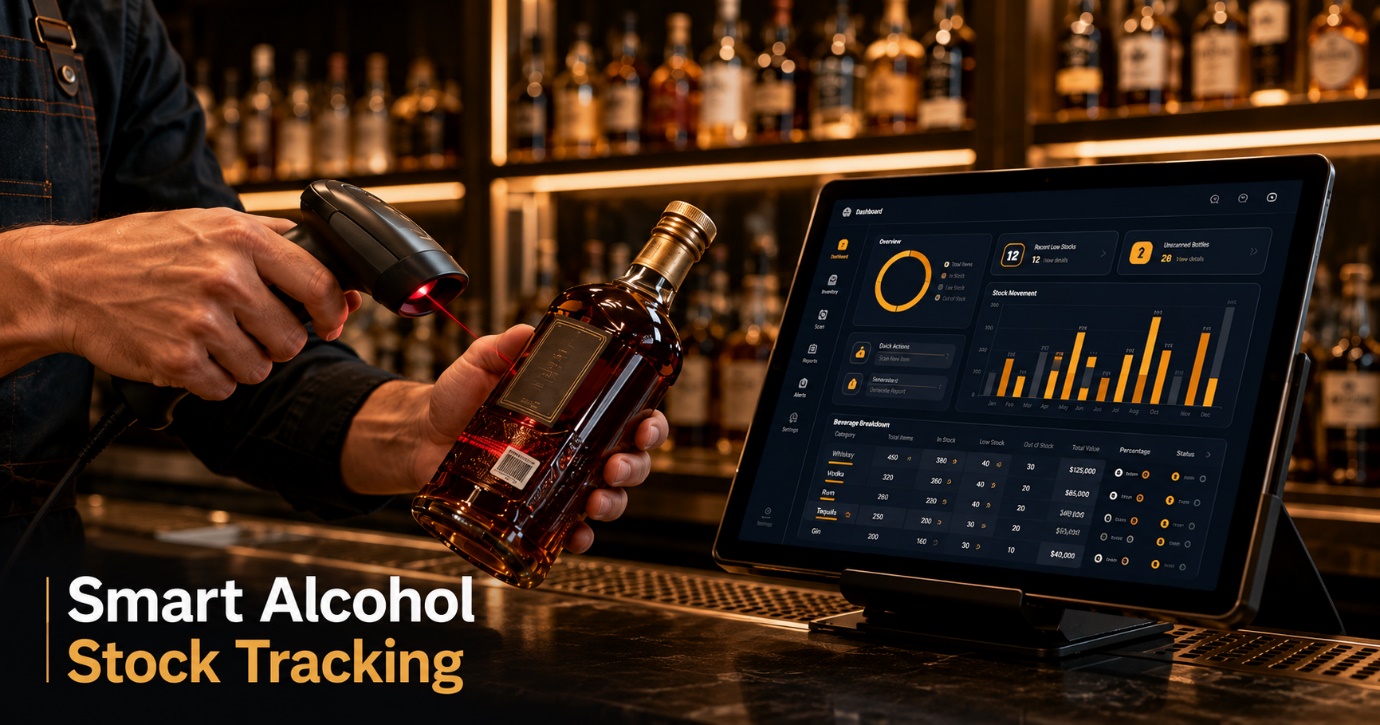
Not every "inventory module" is built for alcohol. Here's what genuinely functional alcohol stock management software looks like in practice:
- Peg-based deduction — every 30ml/60ml pour automatically deducts from bottle-level stock, not a flat "1 unit sold"
- Brand and batch-wise tracking — visibility into exactly which brand, batch, and excise label is moving
- Wastage and spillage accounting — a built-in allowance for evaporation, breakage, and pour variance, so reconciliation isn't fighting basic physics
- Consumption-based reorder alerts — triggered by actual sales velocity, not guesswork
- Barcode/QR reconciliation — scan-to-verify at delivery and during audits, cutting manual counting time dramatically
Billing & Pricing Complexities
Alcohol pricing isn't simple cost-plus-margin. A compliant billing system needs to manage:
- State-fixed MRP enforcement — the system should physically block pricing above the legal ceiling
- Happy-hour and offer pricing — time-based rules that still respect MRP limits
- GST + excise split on one bill — alcohol typically sits outside GST and is taxed via state excise instead, meaning your billing engine needs entirely different tax logic than the food items on the same check
Getting any of this wrong isn't just a bad customer experience — it's a compliance violation with your business's name on the invoice.
Manual Tracking vs. Software: A Direct Comparison
| Manual / Spreadsheet Tracking | Bar & Brewery Billing Software | |
|---|---|---|
| Stock accuracy | Peg-level estimates, prone to error | Automated peg-level deduction |
| Excise reporting | Manual compilation, high error risk | Auto-generated, state-compliant reports |
| Audit readiness | Reactive, scrambled at inspection time | Digital audit trail, always current |
| MRP enforcement | Relies on staff memory | Enforced automatically at billing |
| Multi-outlet visibility | Delayed, outlet-by-outlet reports | Real-time, centralized dashboard |
Managing Bar & Brewery Chains Across Multiple Outlets
Running more than one bar or a brewery chain multiplies this complexity, because excise rules aren't uniform state to state.
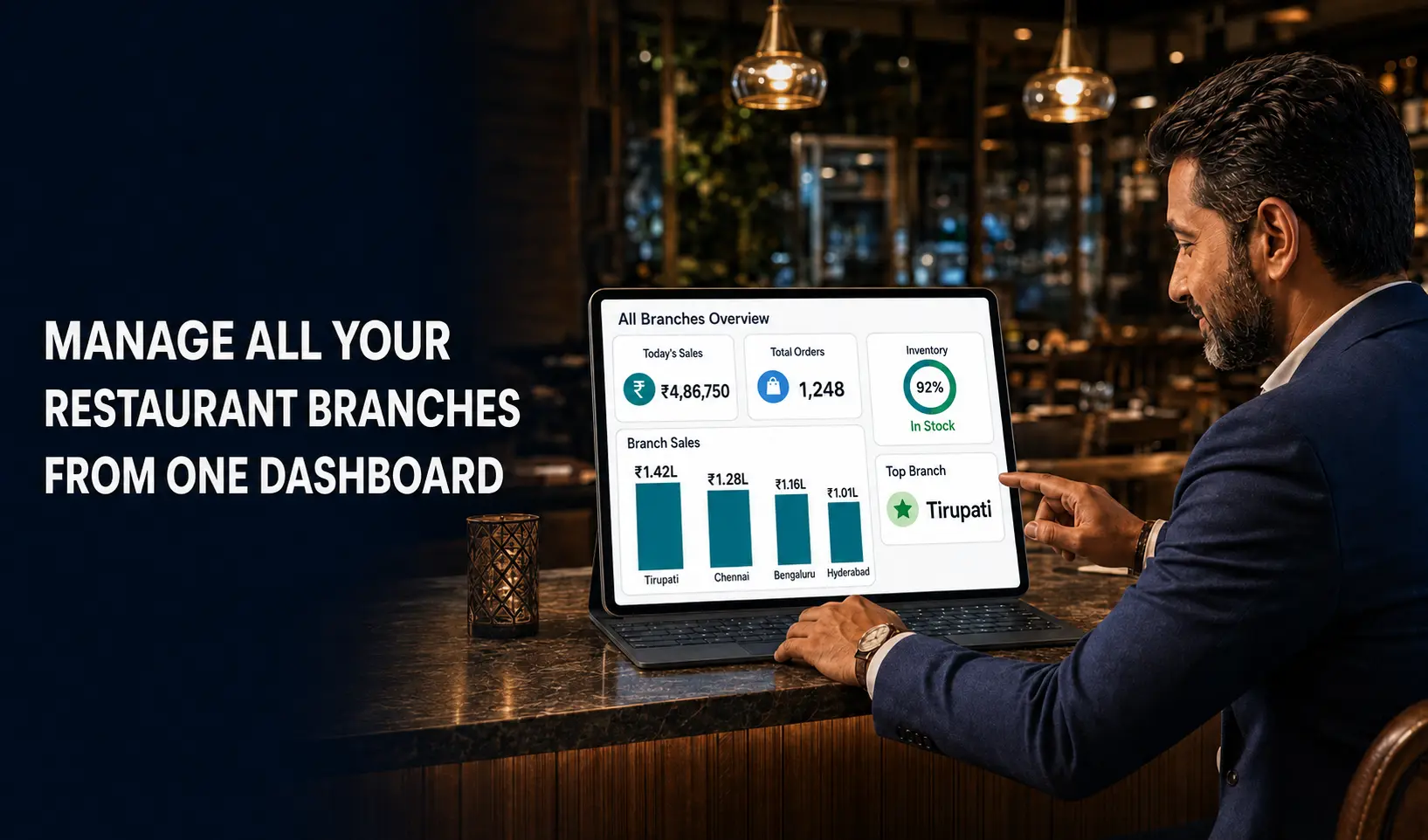
- Centralized stock visibility across branches, without waiting on manual reports from each outlet
- Branch-wise excise filing consolidated at HQ each outlet reports to its own state excise authority, but ownership needs one unified view
- Consistent, state-aware pricing logic, since MRP and tax rules differ by location
This is the same centralized-control principle covered in our guide on managing a multi-outlet restaurant chain from a single dashboard — with an added compliance layer specific to alcohol.
A Real Scenario: What Goes Wrong Without the Right System
A mid-sized brewery chain operating three outlets in Hyderabad ran on a generic POS system that tracked alcohol by "bottles sold" instead of pegs. At month-end, two outlets showed stock variances of 8-10% well above acceptable wastage allowance.
When the excise department flagged it during a routine audit, there was no batch-level trail to explain the gap. It wasn't fraud it was pour variance, spillage, and untracked complimentary drinks. But without peg-level tracking and a digital audit trail, there was no way to prove it. The result: weeks of manual reconciliation and a compliance warning that proper bar billing software would have prevented from day one.
How RestoSoft Bar & Brewery Billing Software Solves This
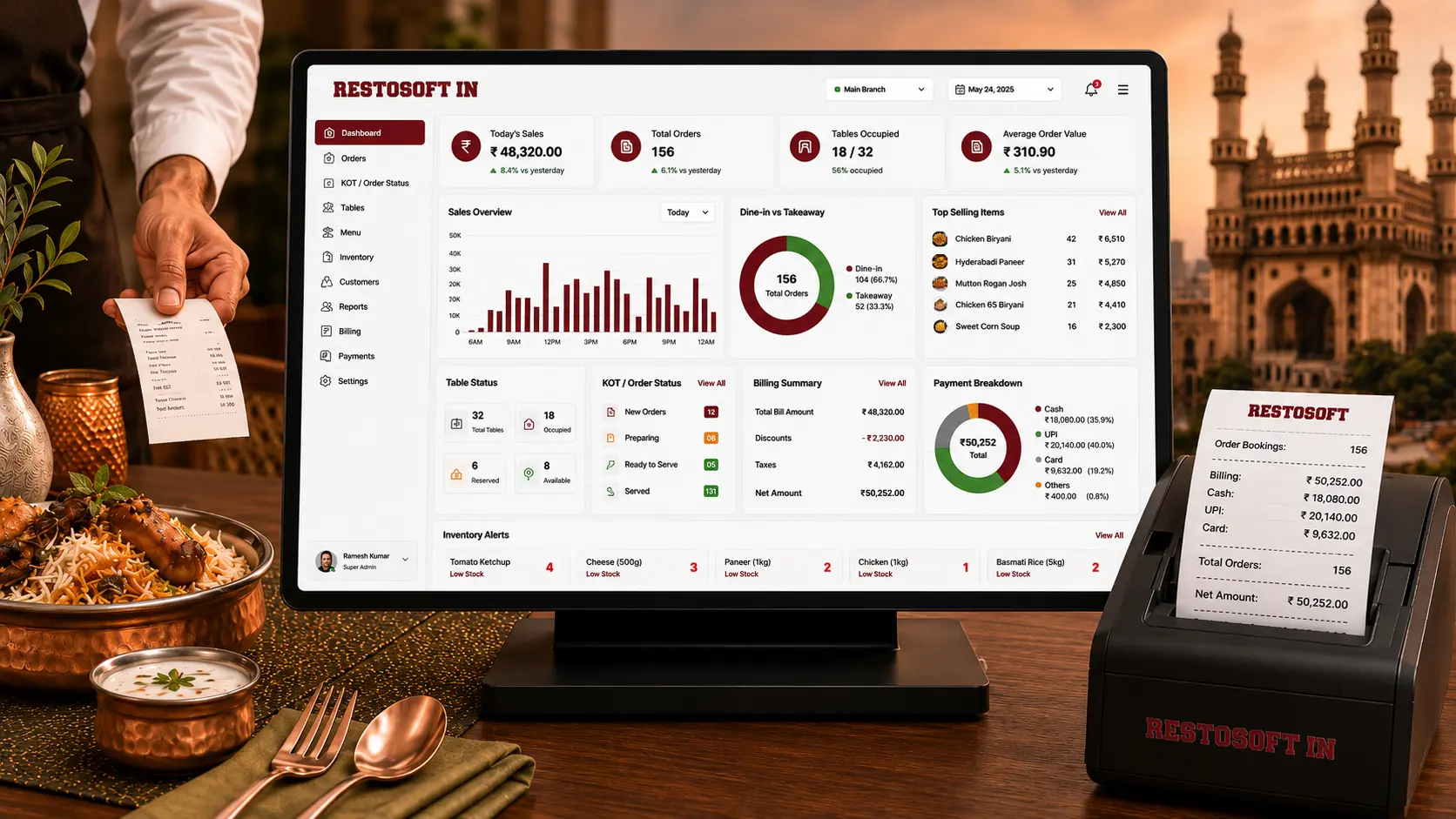
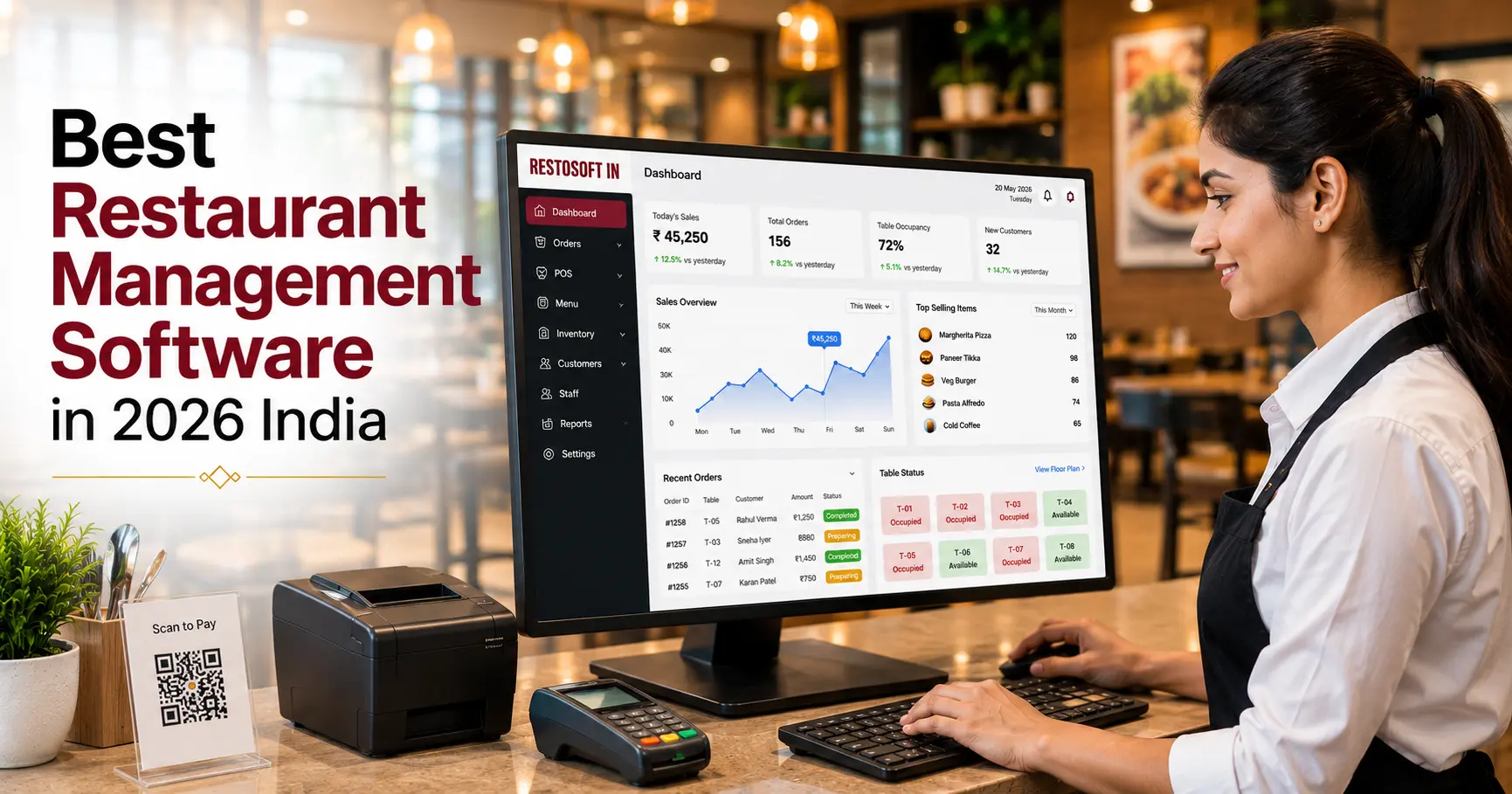
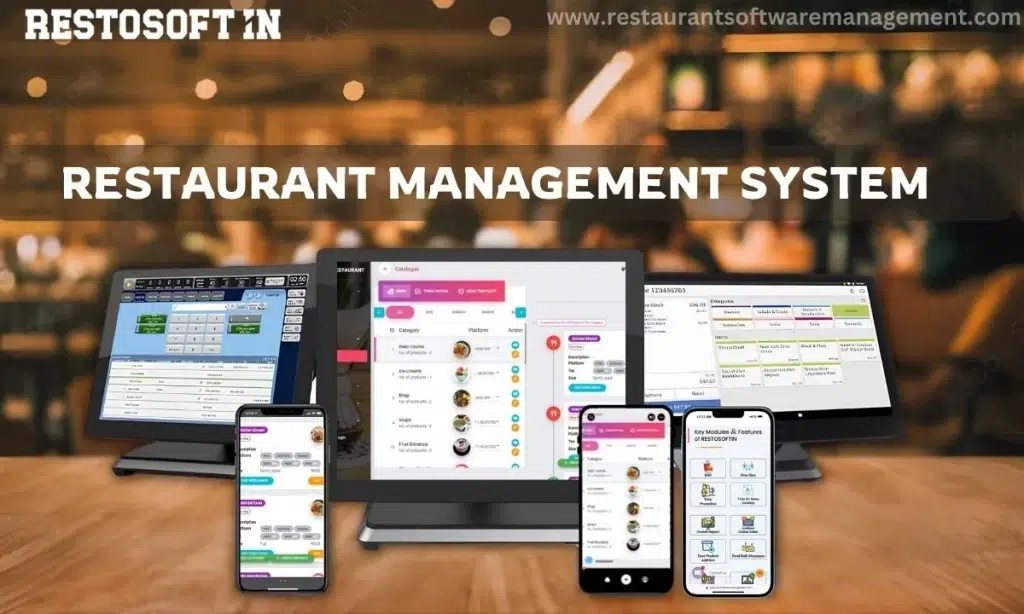
RestoSoft bar and brewery billing module is purpose-built around the gaps above not adapted from a generic restaurant POS:
- Peg-level stock deduction tied directly to every bill
- State-wise excise compliance templates, updated as regulations change
- Automated wastage and spillage allowances built into reconciliation
- MRP enforcement at the billing screen no manual override possible
- Centralized multi-outlet dashboard for chains operating across states
If your outlets already run on RestoSoft for restaurant operations, the bar & brewery module plugs into the same multi-outlet dashboard no separate system, no duplicated data entry.
Don't Wait for an Excise Notice to Fix Your Billing System
Stock mismatches, MRP violations, and failed audits aren't rare exceptions in Indian bars and breweries running on generic POS systems they’re the predictable result of software that was never built for alcohol compliance in the first place. The good news: the fix isn't a painful overhaul. It's switching to a system that was designed around excise law from day one.
RestoSoft bar & brewery billing software handles peg-level stock tracking, state-wise excise compliance, and multi-outlet visibility automatically so your team spends less time reconciling spreadsheets and more time running the bar.
See it working on your own stock data before you commit to anything.
No commitment. See exactly where your current system is leaking stock or compliance risk in 20 minutes.