The Restaurant Owner's Complete Festival Season Playbook (2026)
Diwali and festival-season footfall builds over roughly six weeks, not overnight restaurants that follow a week-by-week readiness plan (not a single pre-Diwali checklist) consistently outperform those that scramble once the tables start filling up.
Most festival-season advice tells you what to prepare. Very few tell you when. That's the real gap a restaurant that stocks up on festival ingredients too early wastes money; one that staffs up too late loses customers to the place next door with faster service. This playbook is built around timing: what to lock down at six weeks out, what to watch at two weeks out, and what actually separates a profitable festival season from a chaotic one.
Before Festival Season: What Builds Up and When
Festival demand doesn't arrive all at once on Diwali day it builds in three clear stages between late September and February, and knowing which stage you're in tells you exactly what to prepare next.
Stage 1: Late September to early November (Navratri to Dhanteras): Dine-in covers rise steadily as families start festival-related outings and shopping-trip meals. Demand is elevated but manageable — this is your preparation window, not your peak, so use it to lock in menus, suppliers, and staffing.
Stage 2: Diwali week itself (early–mid November): The sharpest spike of the season. Family gatherings, corporate parties, and festive-menu cravings all land in the same 5–7 days. This is where most operational failures happen, simply because volume outpaces whatever plan was made weeks earlier.
Stage 3: Post-Diwali into wedding season (mid-November–February): Footfall doesn't drop back to normal right after Diwali — it shifts into celebratory dinners, corporate year-end parties, and wedding-adjacent bookings. Restaurants that treat Diwali as the finish line often end up understaffed again within weeks.
The Week-by-Week Readiness Playbook
Each stage of festival prep has a natural deadline leaving any of these until "closer to Diwali" is what turns a manageable season into a reactive one.
| Timing | What to lock in | Why this timing matters |
|---|---|---|
| 6 weeks out | Festive menu finalized, supplier quantities confirmed | Key festival ingredients get scarce citywide as every restaurant order at once closer to Diwali |
| 4 weeks out | Staffing shifts scheduled around predicted peak days (not just weekends) | Dhanteras and the days just before Diwali often out-pace Diwali day itself in covers |
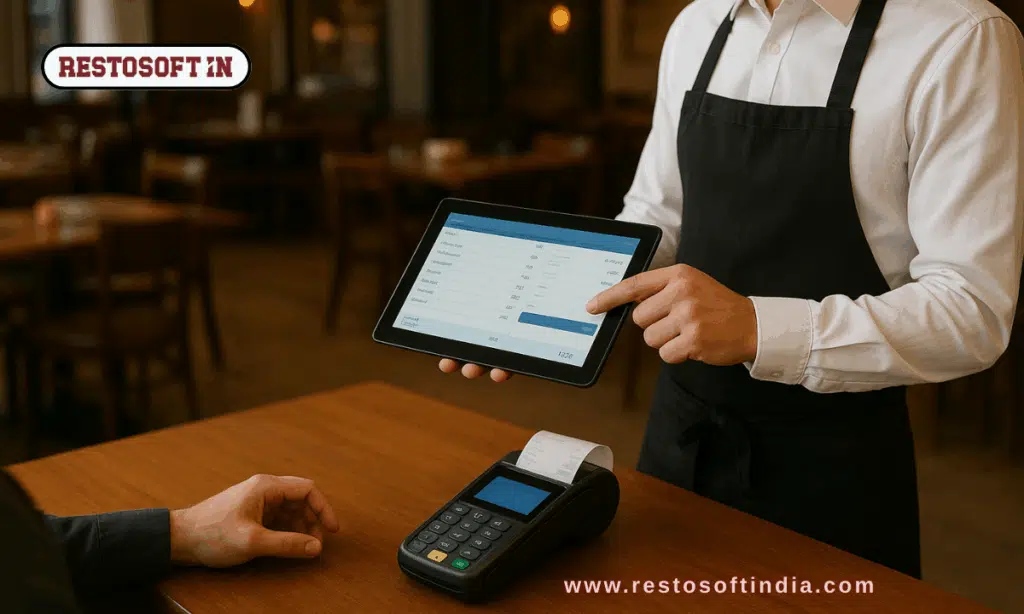
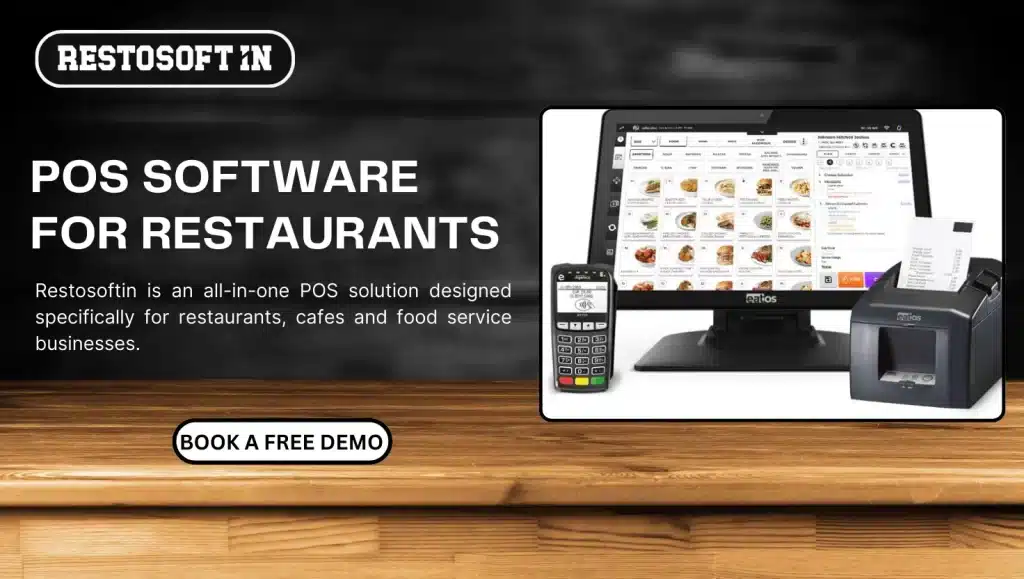
| 2 weeks out | POS and billing system stress-tested under simulated peak load | A system that runs fine on a normal Tuesday can slow down badly under back-to-back peak-hour orders |
| 1 week out | All outlet managers briefed on identical festive pricing and menu | Inconsistency across branches during your most visible week damages brand trust fast |
| Festival week itself | Real-time stock and billing monitored per outlet, not end-of-day | Waiting until close-out to spot an error means it's already too late to fix that night's service |
Five Silent Profit Killers During Festival Season
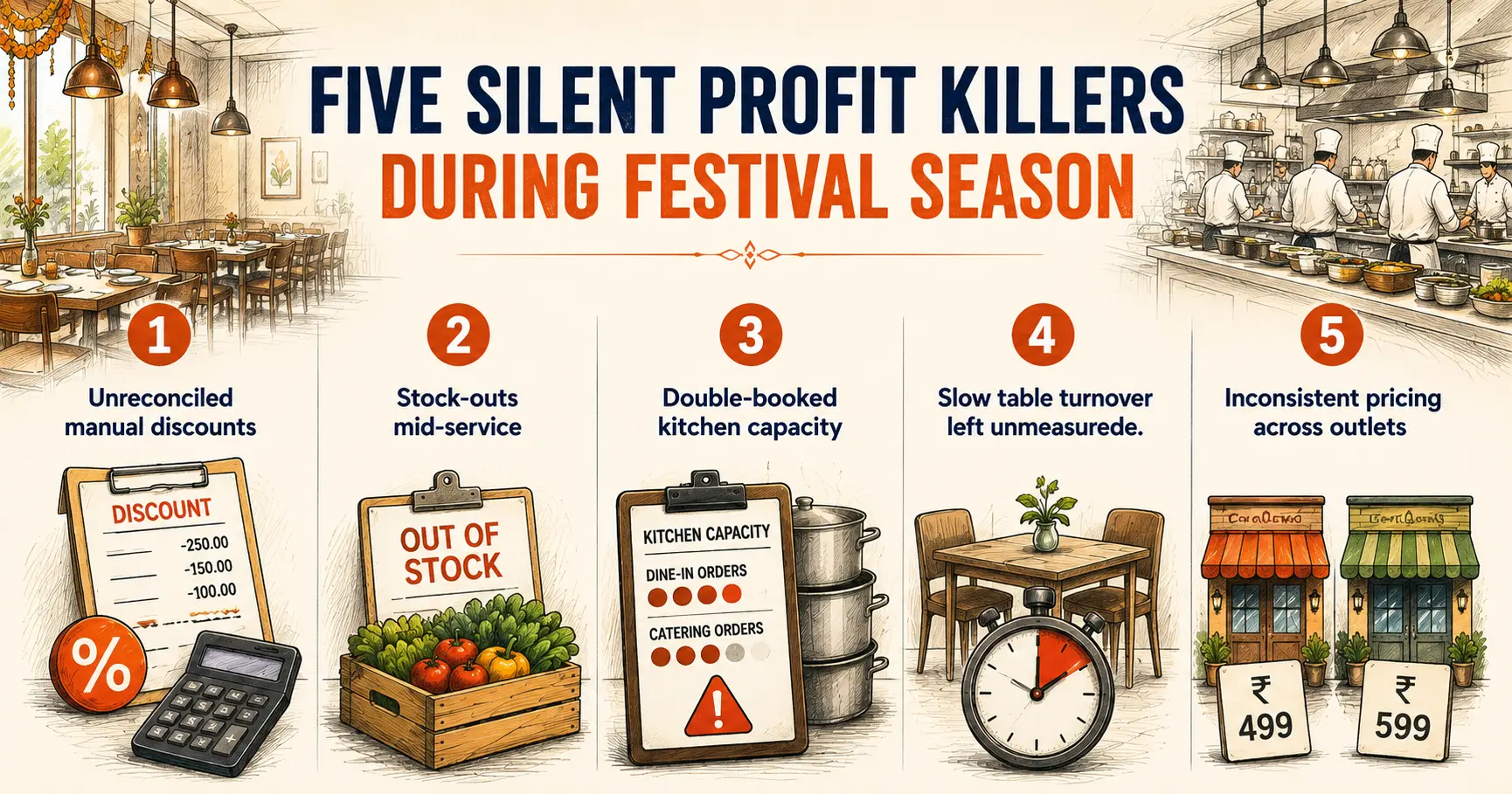
Festival-season revenue loss rarely comes from empty tables it comes from what happens at full ones, and most of it goes unnoticed until someone finally checks the numbers weeks later.
- Unreconciled manual discounts — a discount applied once and never corrected multiplies fast across hundreds of festival-week bills.
- Stock-outs mid-service — a single festival-menu item running out during a packed evening isn't a shrug, it's a lost order and a frustrated table.
- Double-booked kitchen capacity — dine-in and catering/bulk orders tracked as separate, disconnected queues often silently overload the same kitchen.
- Slow table turnover left unmeasured — the gap between 80 tables served and 120 tables served on a peak night is almost always turnover speed, not covers available.
- Inconsistent pricing across outlets — one branch running festival offers differently from another creates customer complaints exactly when brand visibility is highest.
The RestoSoft Fix: Closing the Gaps in Real Time
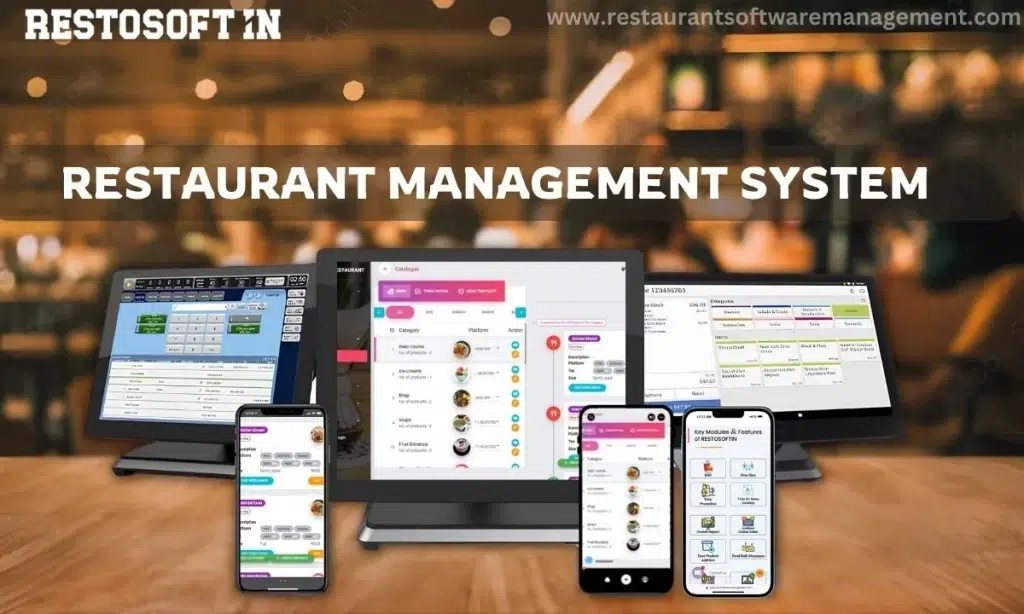
Every profit killer above has the same root cause: nobody could see it happening until it was too late to act. RestoSoft is built to close that gap during exactly the six weeks when it matters most:
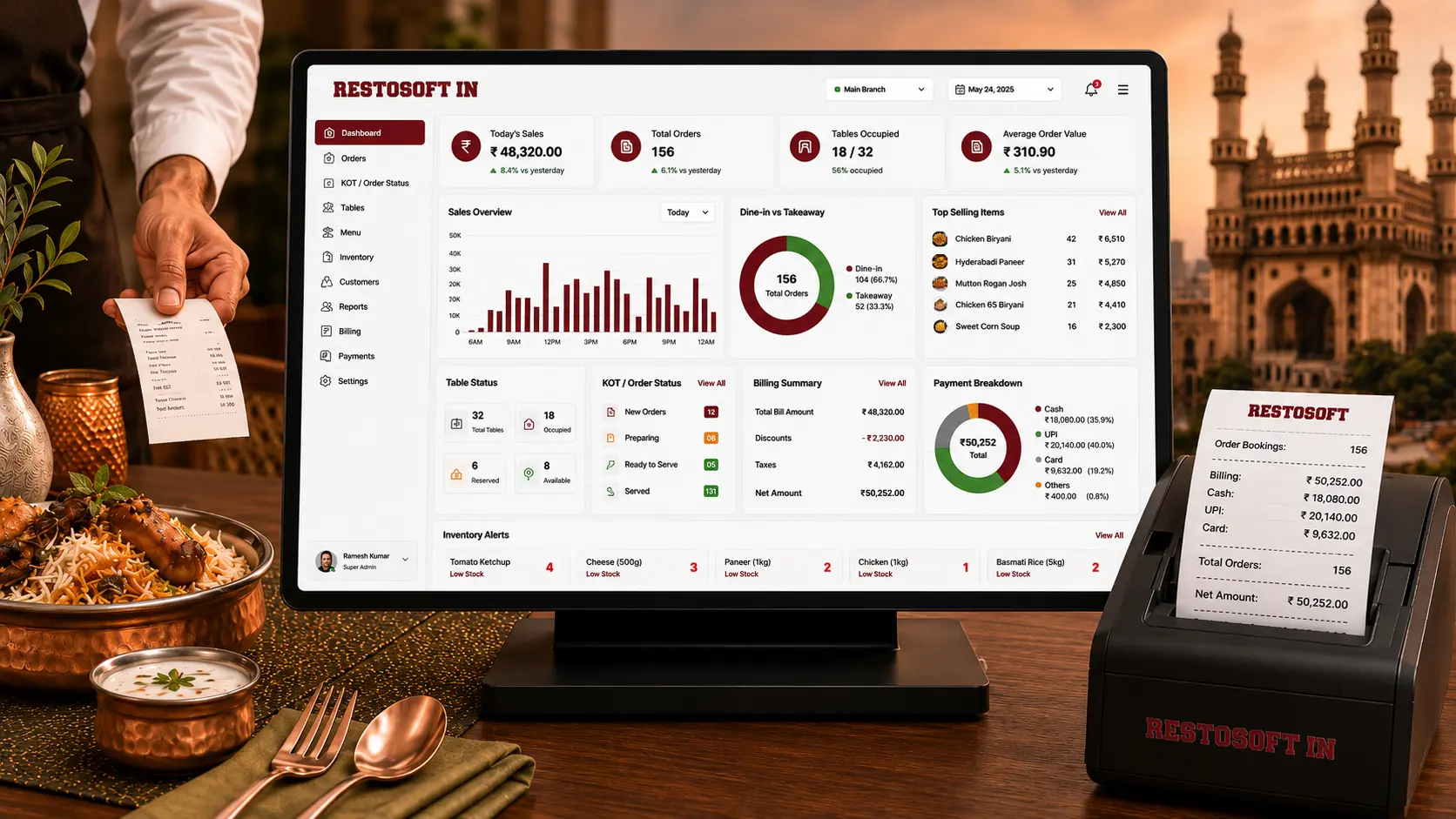
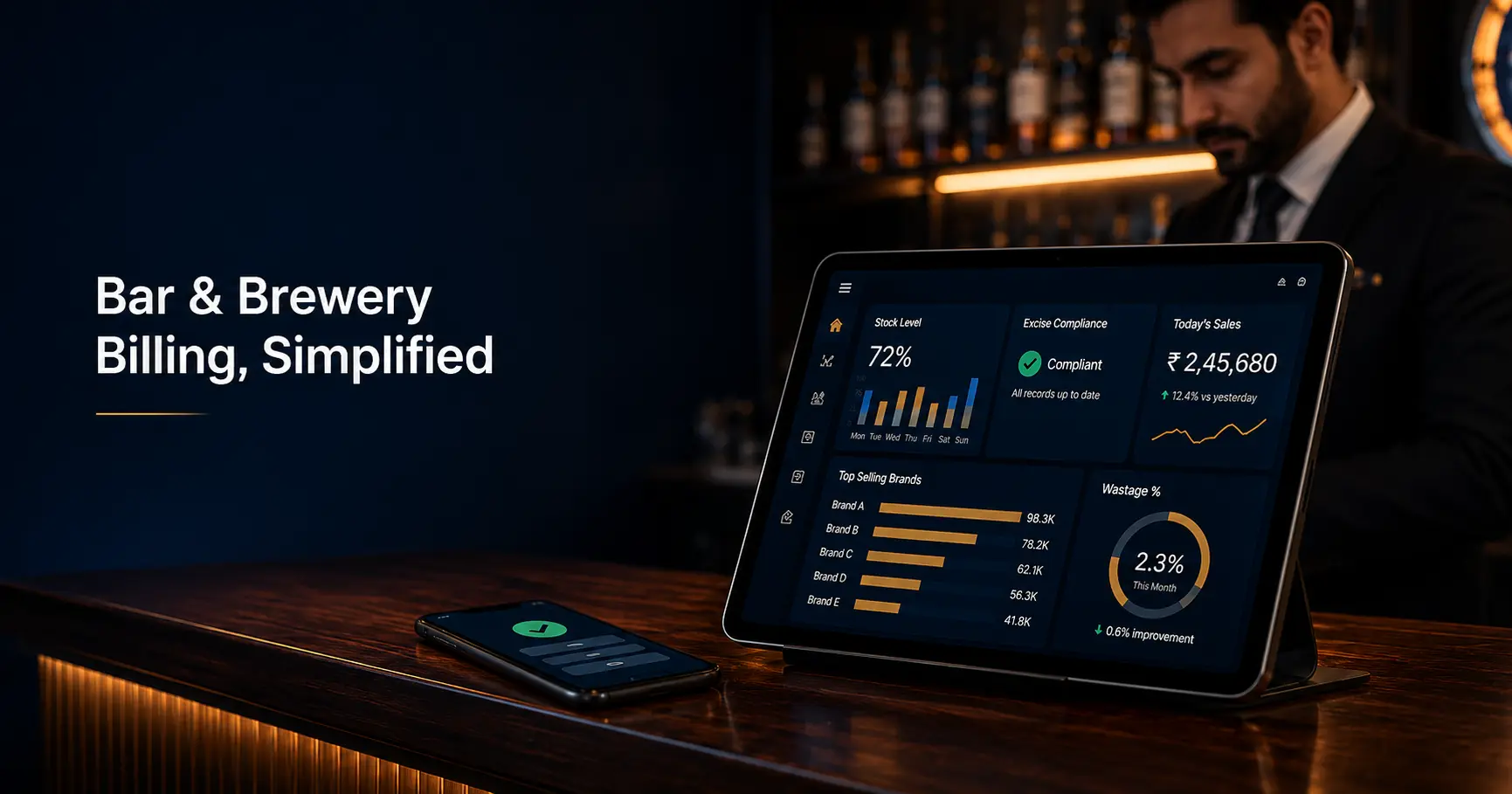
- Real-time, outlet-wise sales and inventory visibility — stock-outs and billing mismatches surface the moment they happen, not at month-end.
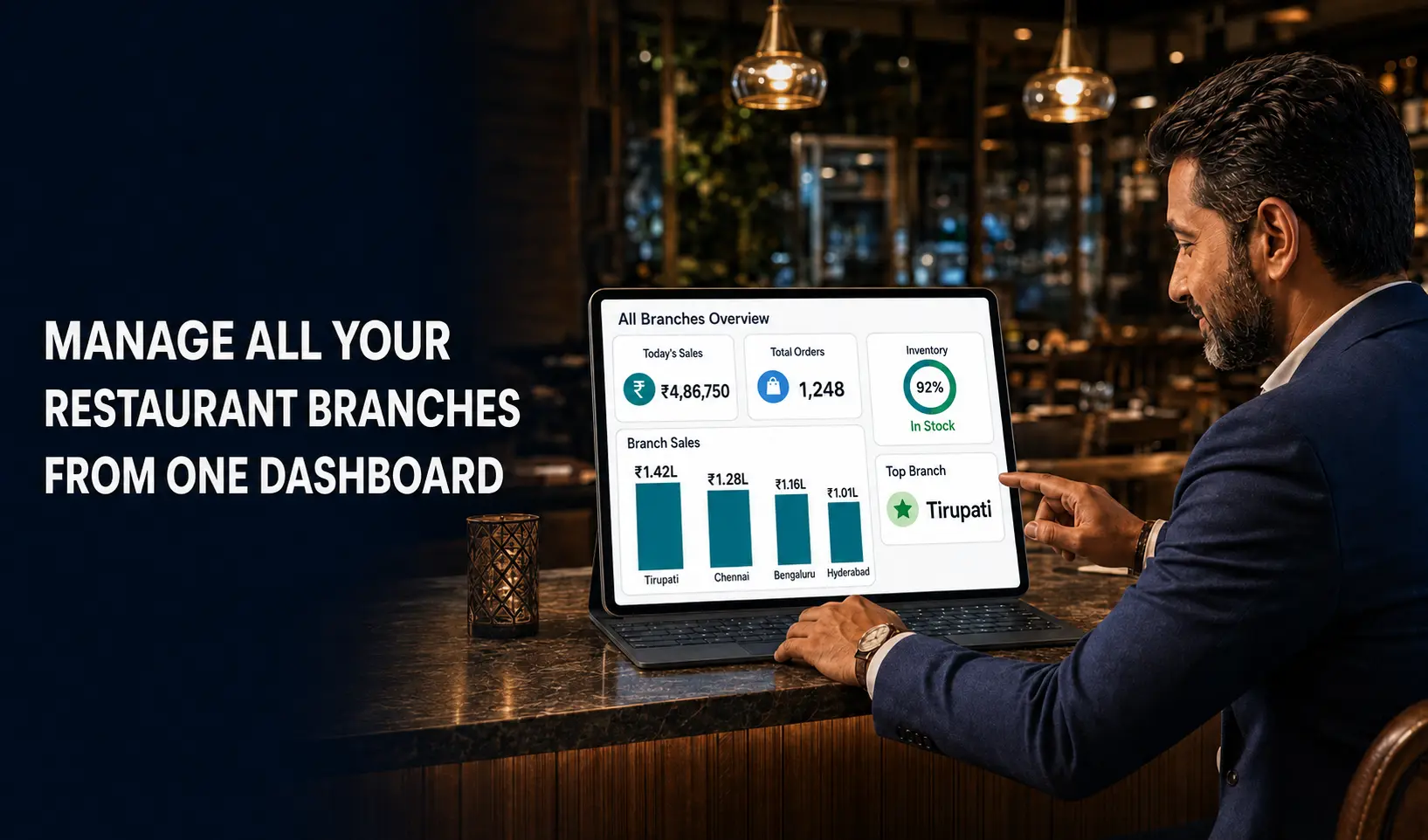
- One dashboard across every branch — no more piecing together WhatsApp updates from five different outlet managers to know what's actually going on.
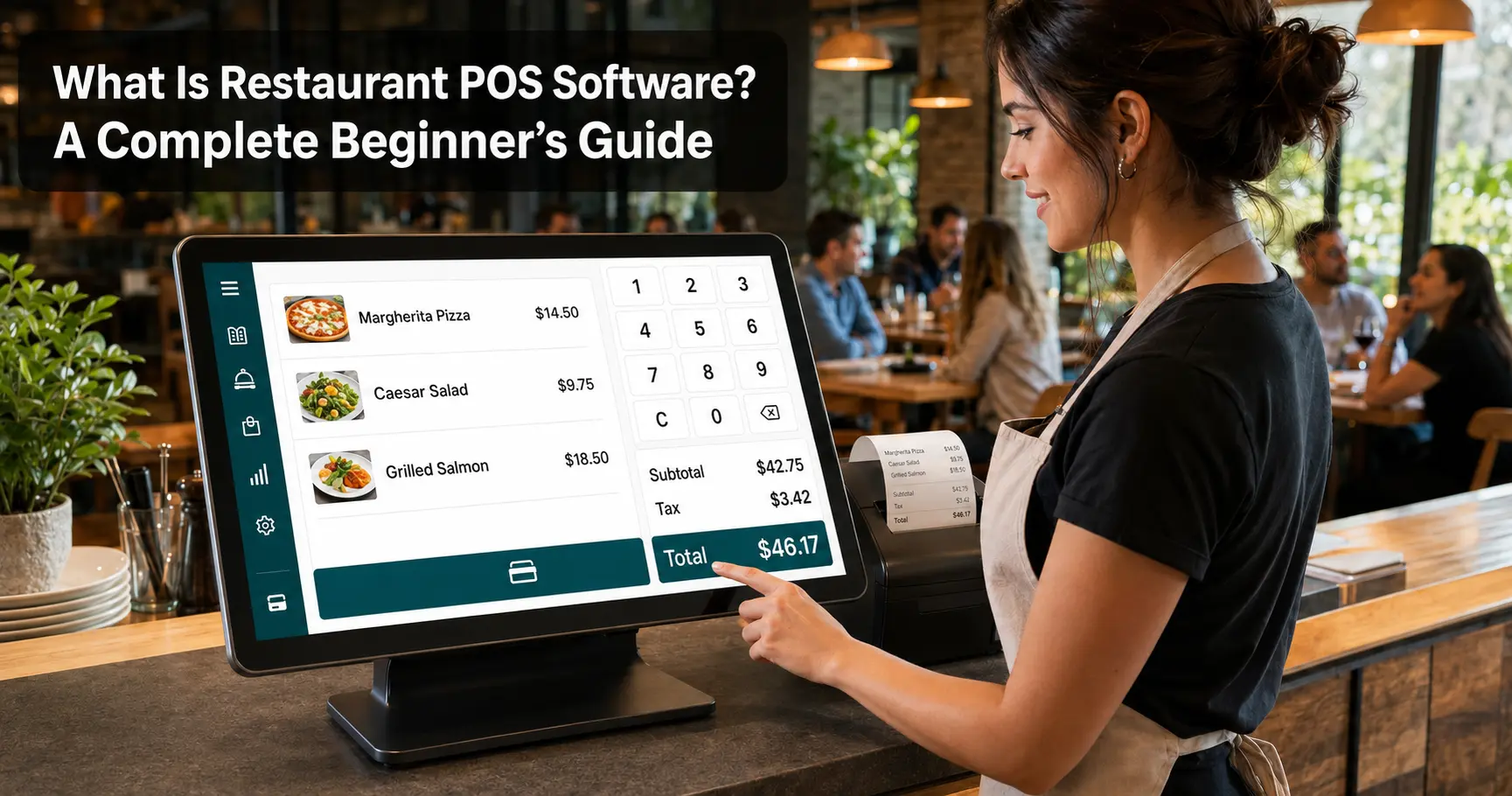
- Fast, error-resistant billing built for peak-hour volume — designed for the exact conditions where manual mistakes multiply.
- Combined view of dine-in, takeaway, and catering demand — kitchen capacity planned against total load, not just whichever queue is loudest.
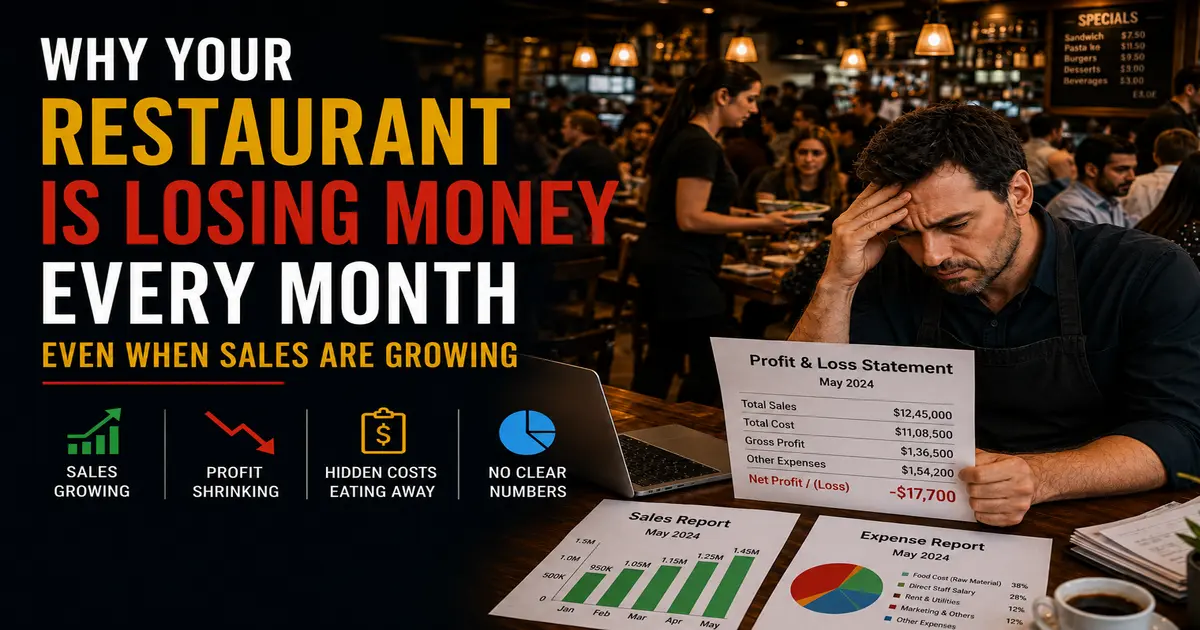
The gap between restaurants that grow through festival season and those that see sales rise while margins quietly shrink almost always comes down to this — real-time visibility versus finding out afterward. Our detailed guide on why reporting is essential for restaurant success covers exactly why this matter beyond festival season too.