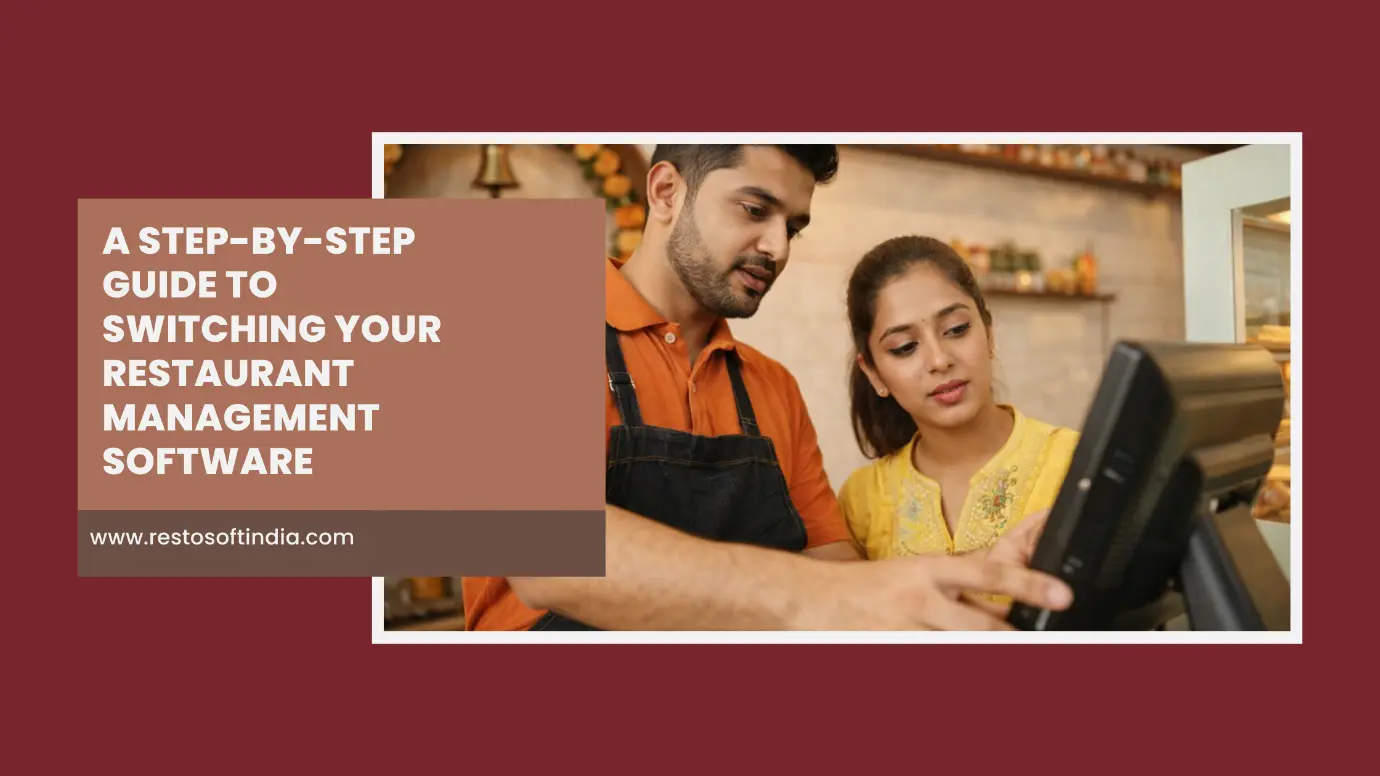
Benefits of Ditching and Upgrading Your Old RMS
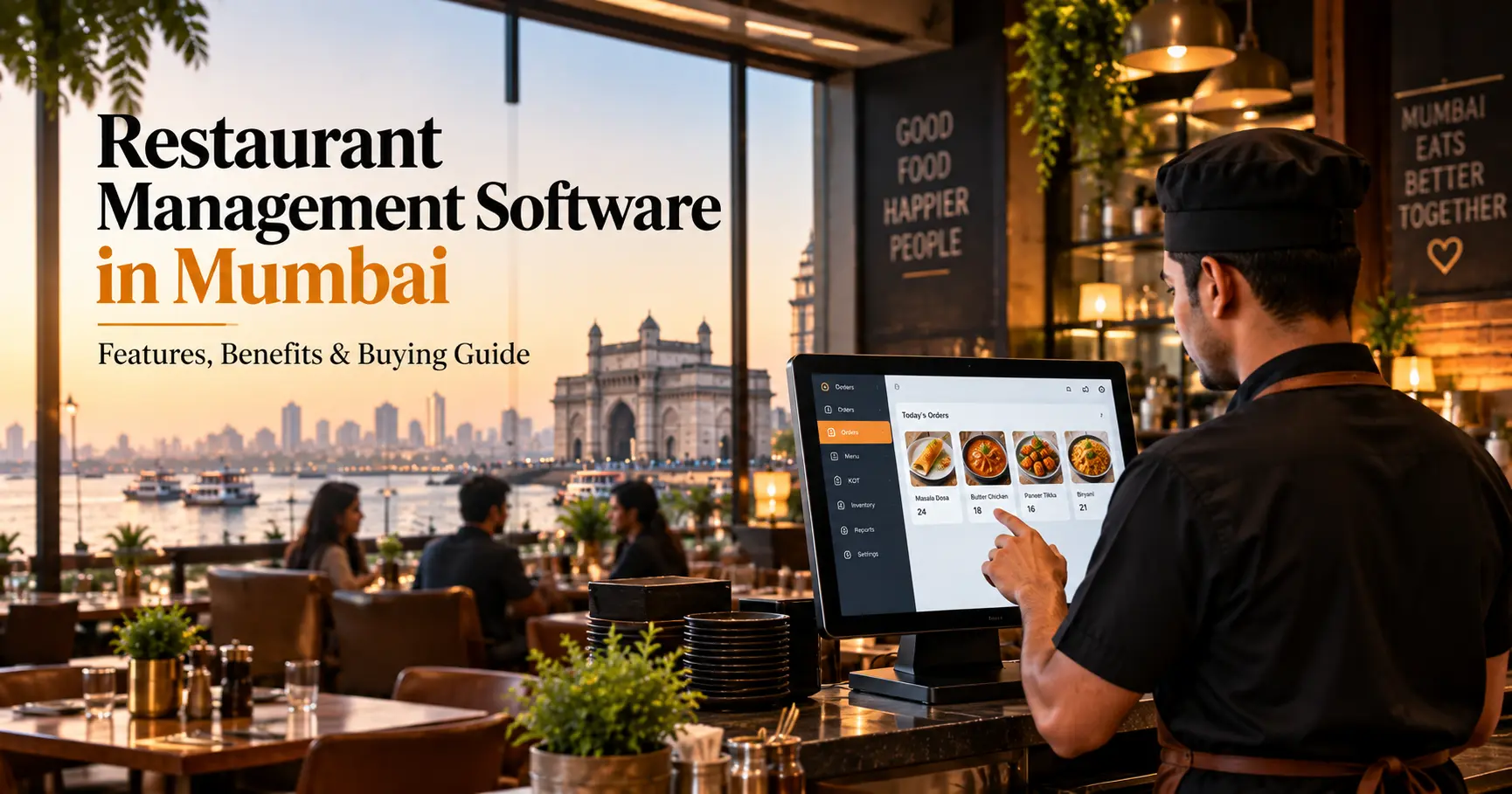
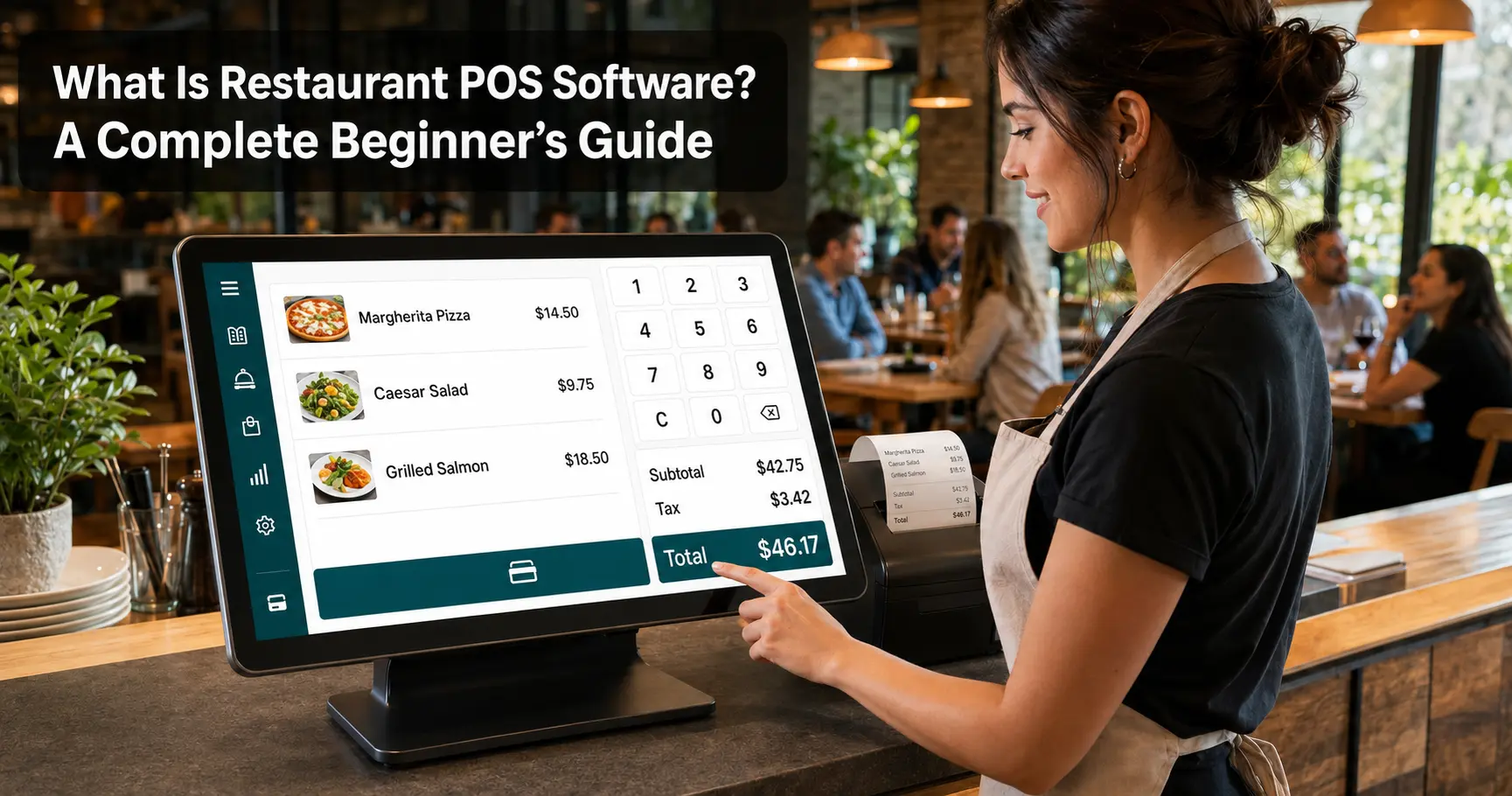
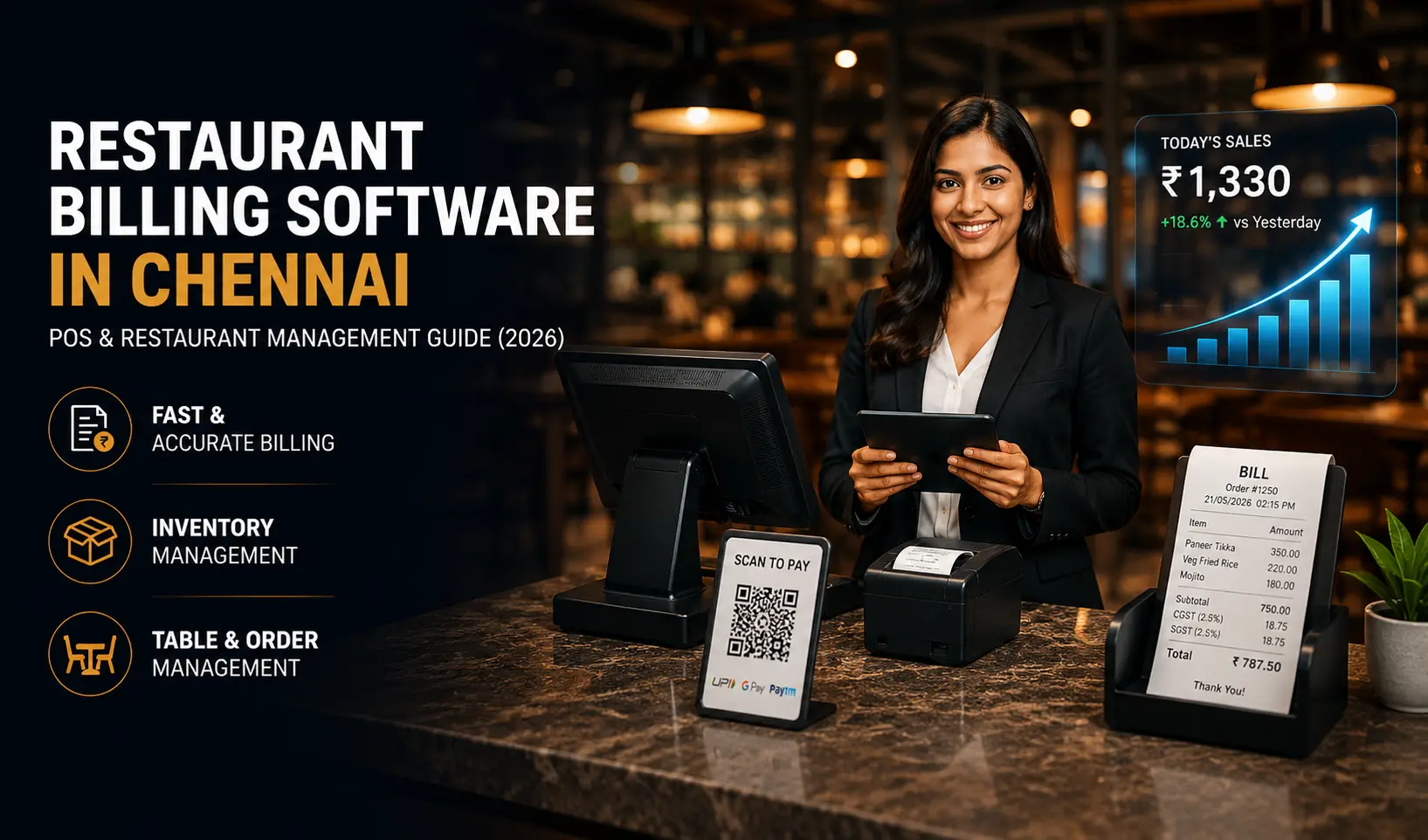
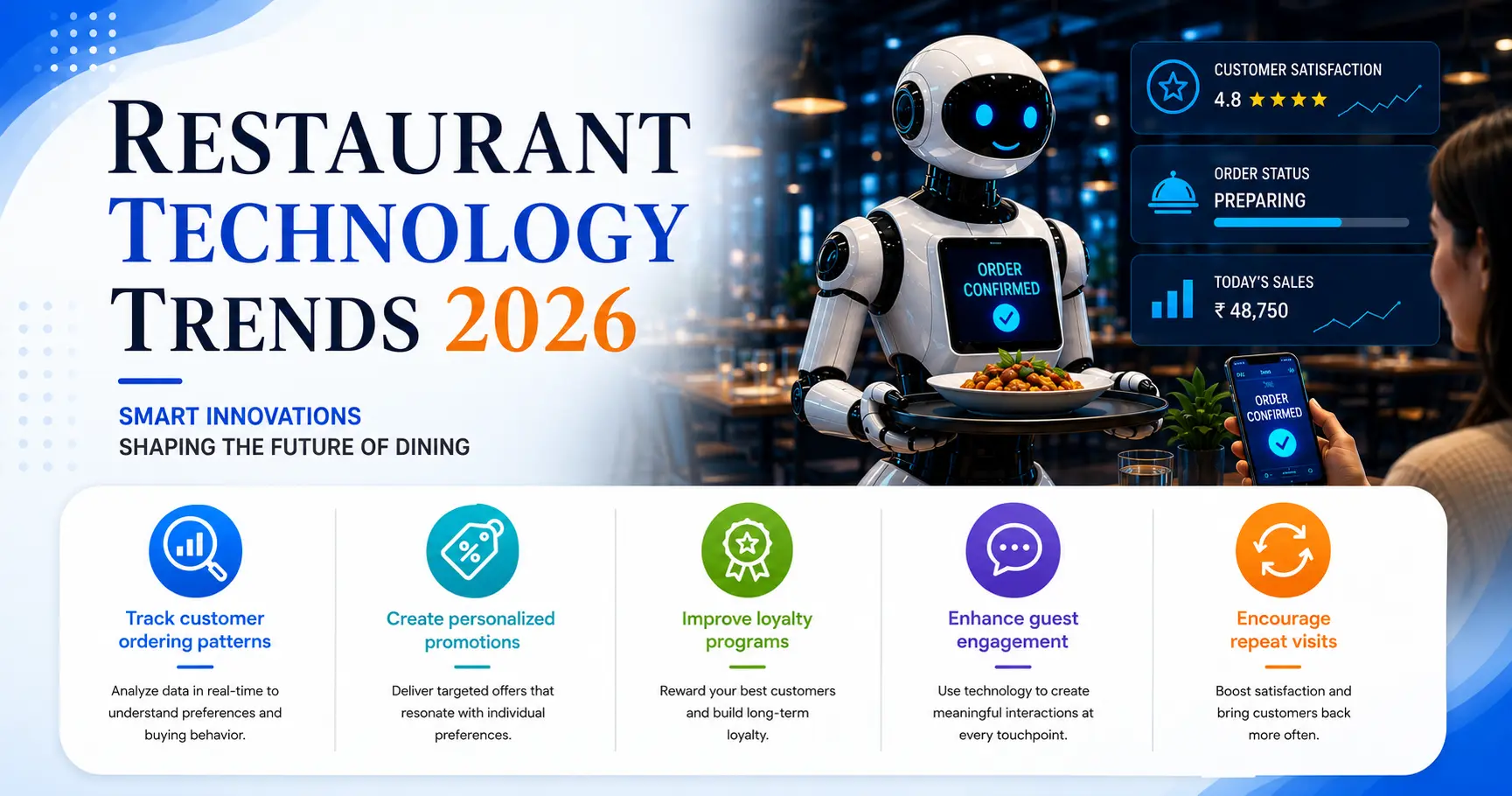
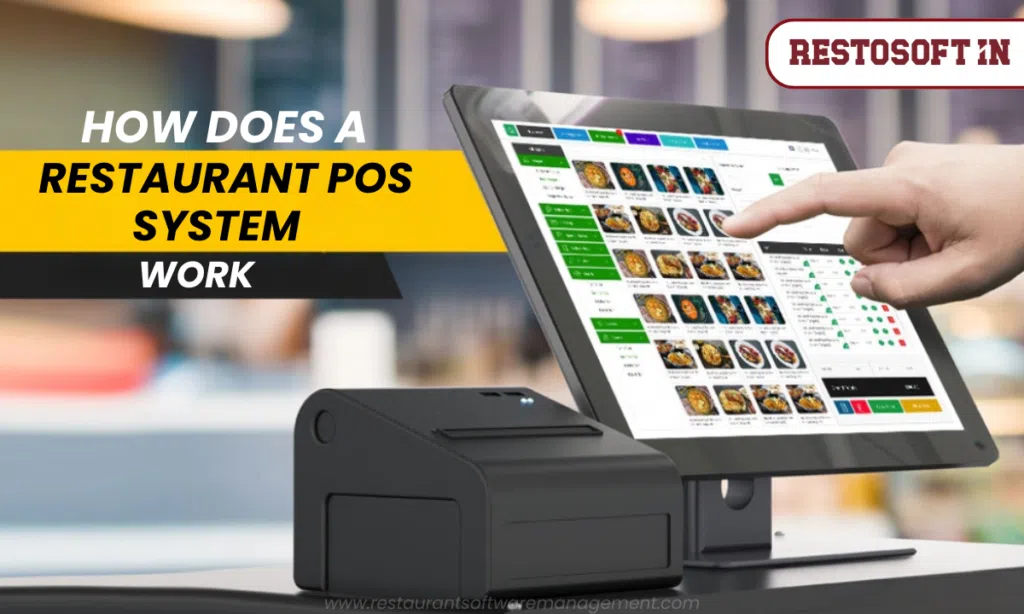
Switching from an outdated restaurant management system to a modern solution can significantly improve operational efficiency. Older systems often lack real-time inventory tracking, advanced reporting, and seamless integrations with payment gateways and online ordering platforms. As a result, restaurant owners spend more time correcting errors than focusing on growth.
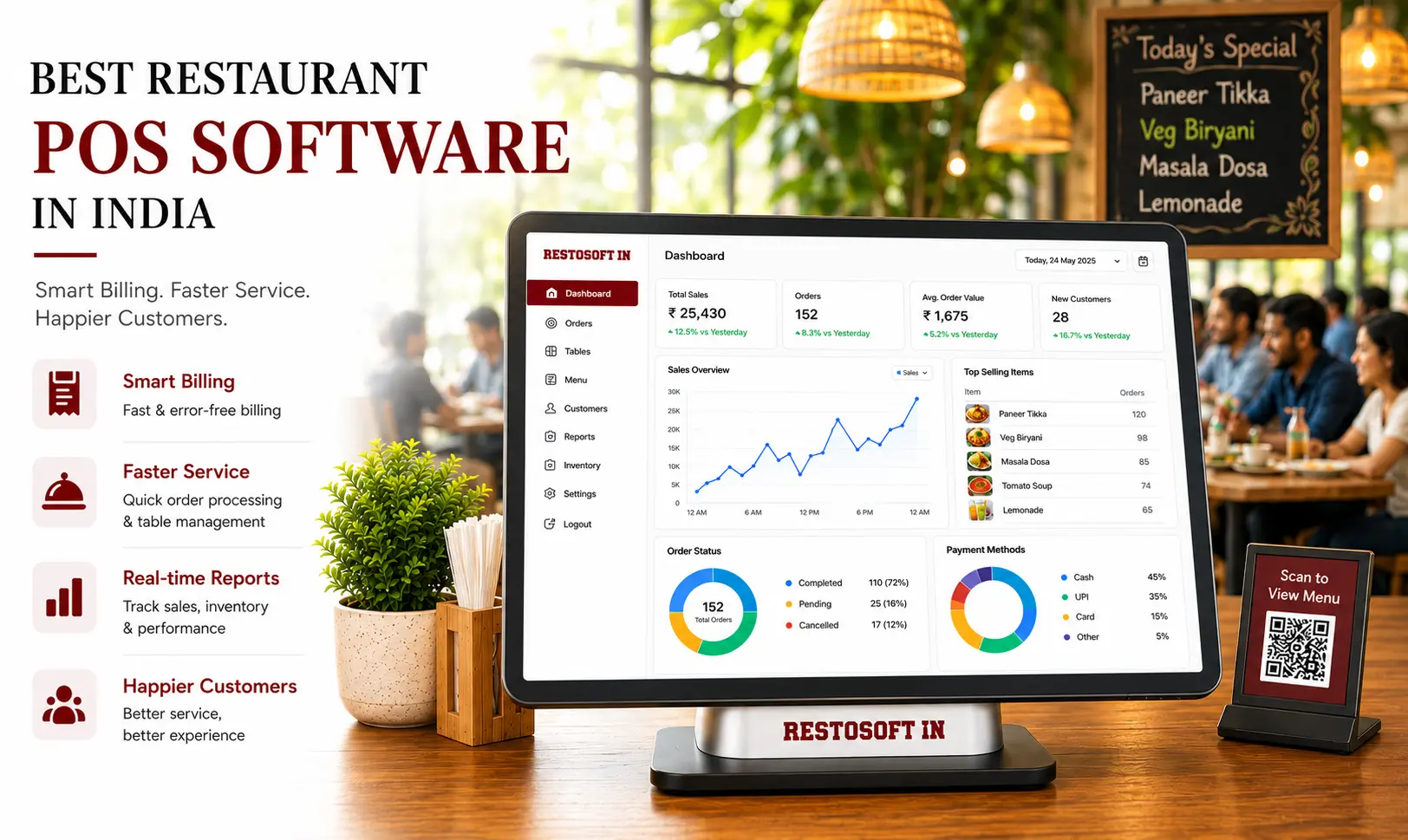
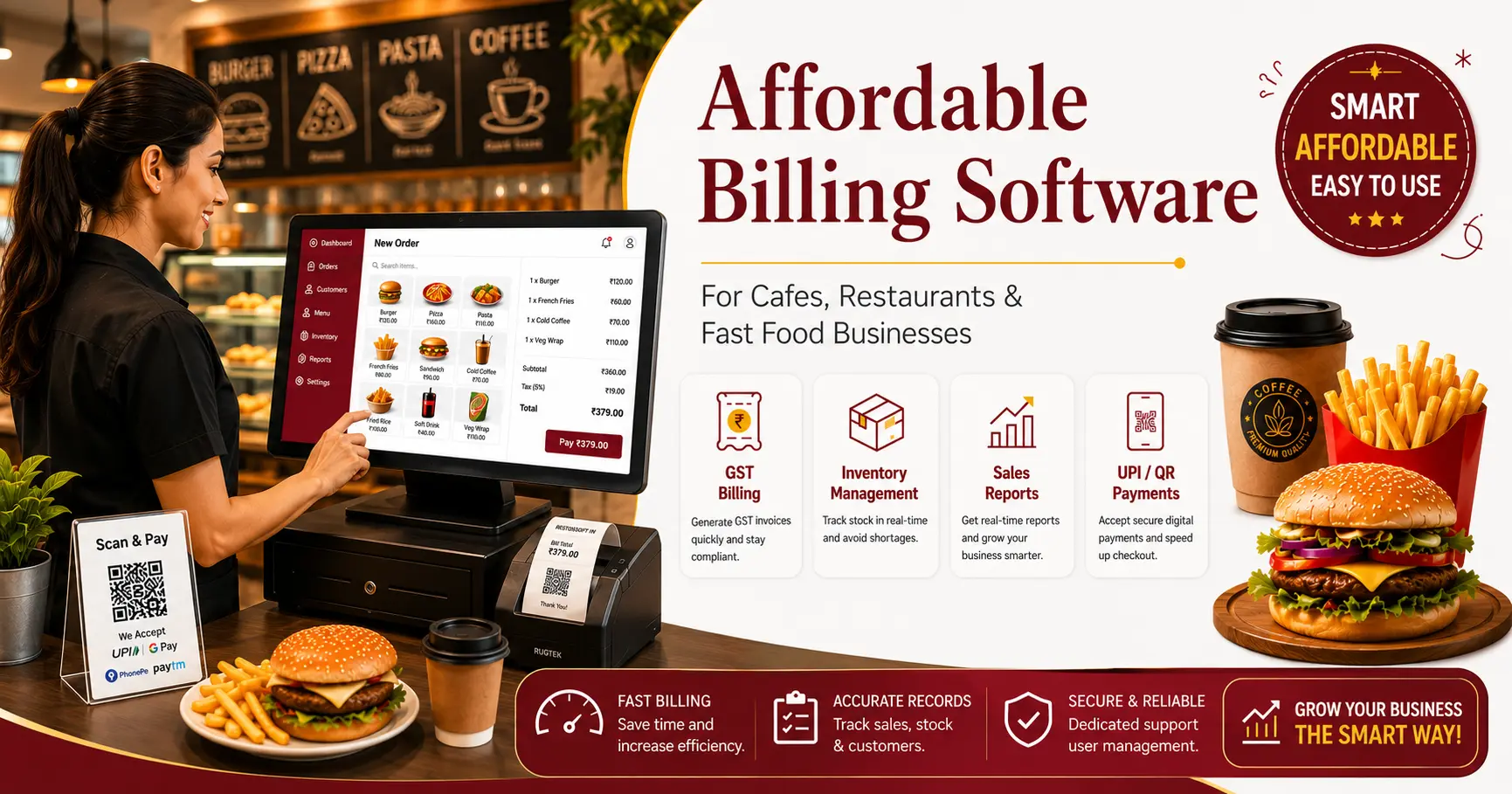
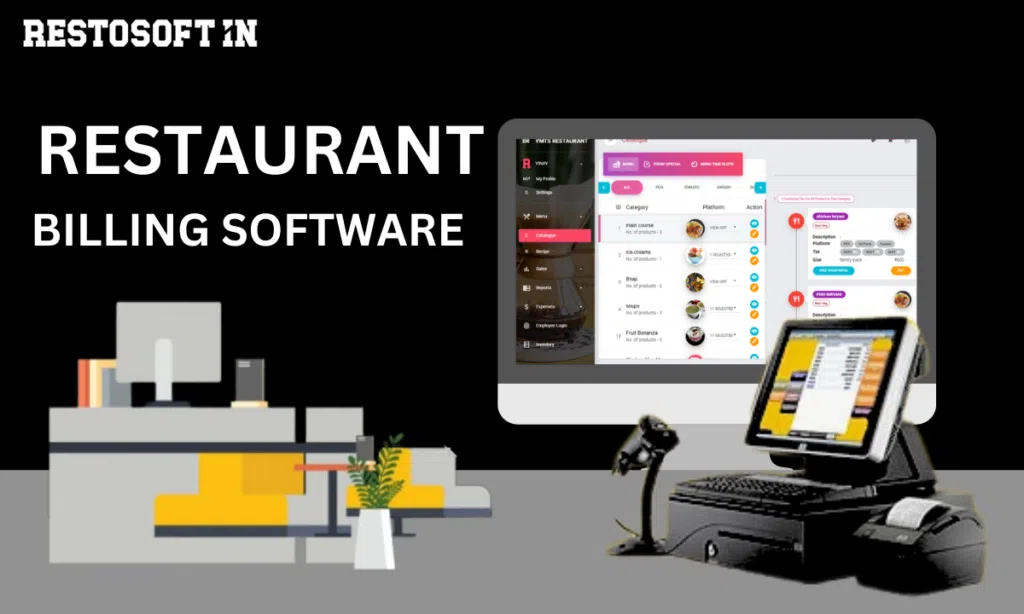
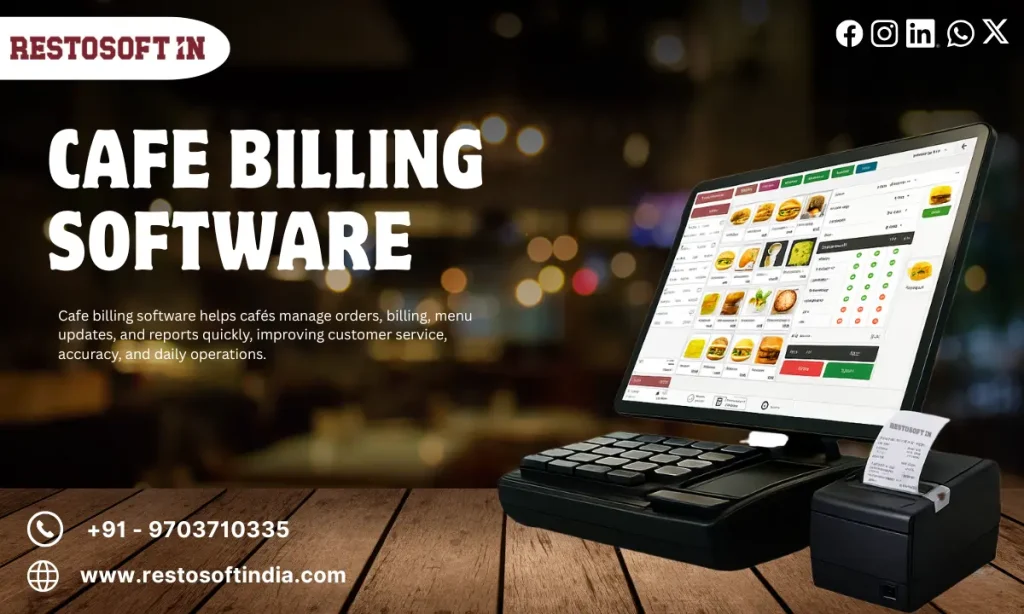
Upgrading to a comprehensive restaurant management software brings automation to billing, better stock control, centralized reporting, and improved accuracy. It reduces manual dependency, minimizes revenue leakage, and gives owners complete visibility into daily performance.
A modern system is not just software it becomes the operational backbone of your restaurant.
Guide to Switching Your Restaurant Management Software
Transitioning to a new RMS requires planning and clarity. Instead of rushing the process, follow a structured approach to ensure smooth implementation and long term success.
1.Identify Your Pain Points

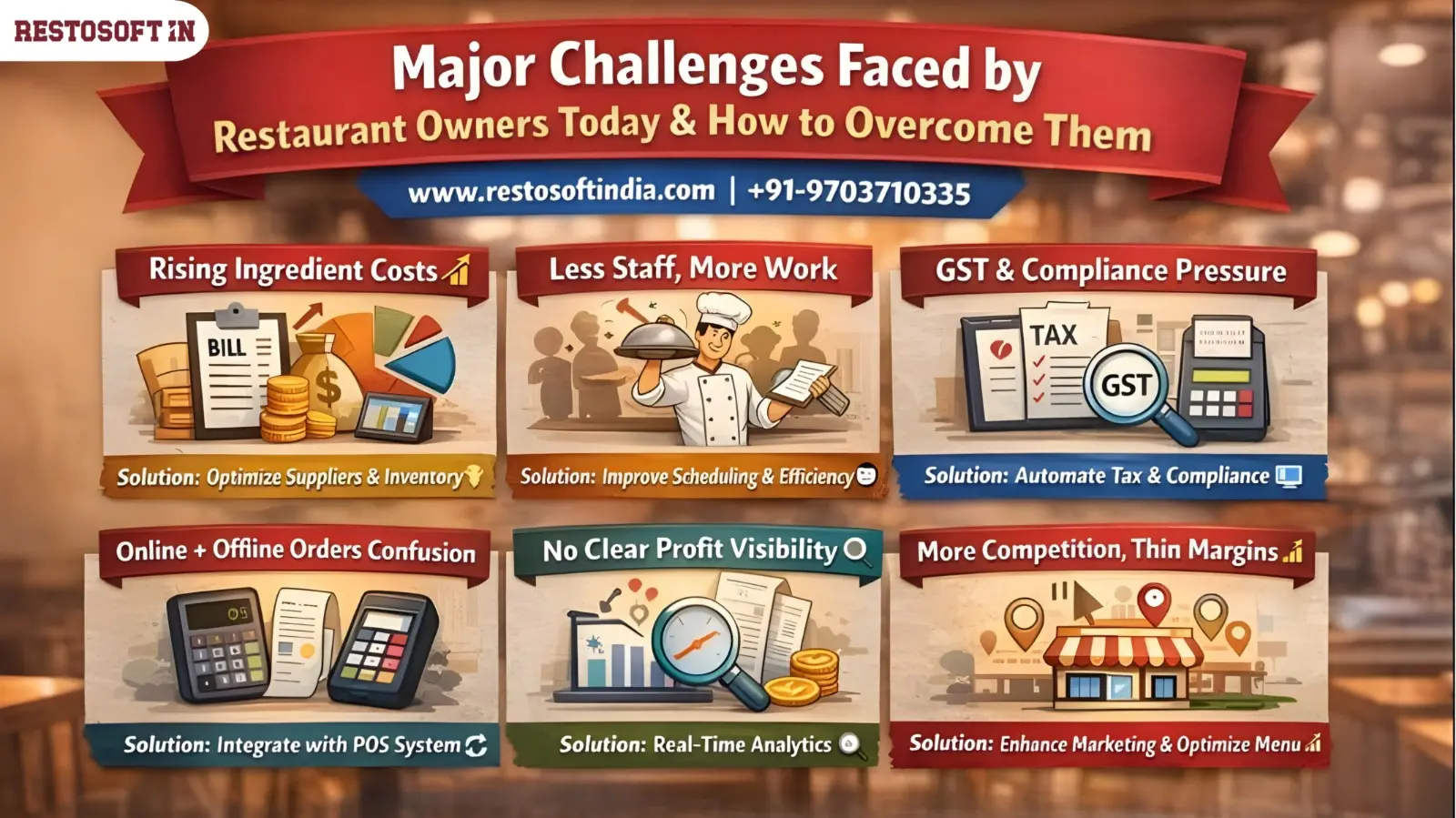
Begin by evaluating the weaknesses of your current system. You may be facing slow billing during peak hours, stock mismatches at the end of the day, limited reporting insights, or difficulty managing multiple outlets.
Clearly identifying these challenges helps you choose software that directly addresses your operational gaps. Without understanding the problem, selecting the right solution becomes difficult.
2. Identify Your Needs
Every restaurant operates differently. A growing multi-branch business may require centralized management, while a single location outlet might prioritize faster POS billing and inventory tracking.
Define the features that matter most to you, such as:
- POS billing software with multiple payment modes
- Real time inventory deduction
- Kitchen order management
- GST compliant invoicing
- Detailed sales and profit reports
- Staff role and access control
Choosing based on your needs ensures the new system supports both present operations and future expansion.
3. Look for Integration Capabilities
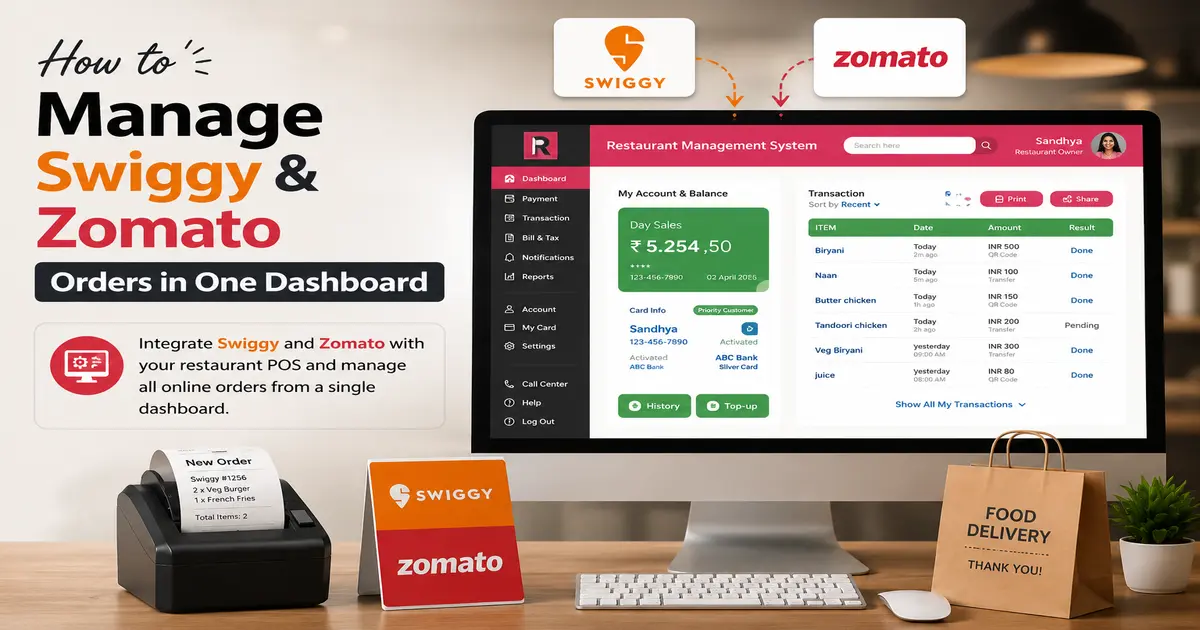
A strong restaurant management system should integrate with accounting software, online delivery platforms, digital payment gateways, and customer communication tools.
Seamless integration eliminates duplicate data entry and reduces errors. It also ensures that billing, inventory, and financial reports remain synchronized across all platforms.
Without integration, automation loses its true value.
4. Consider Scalability

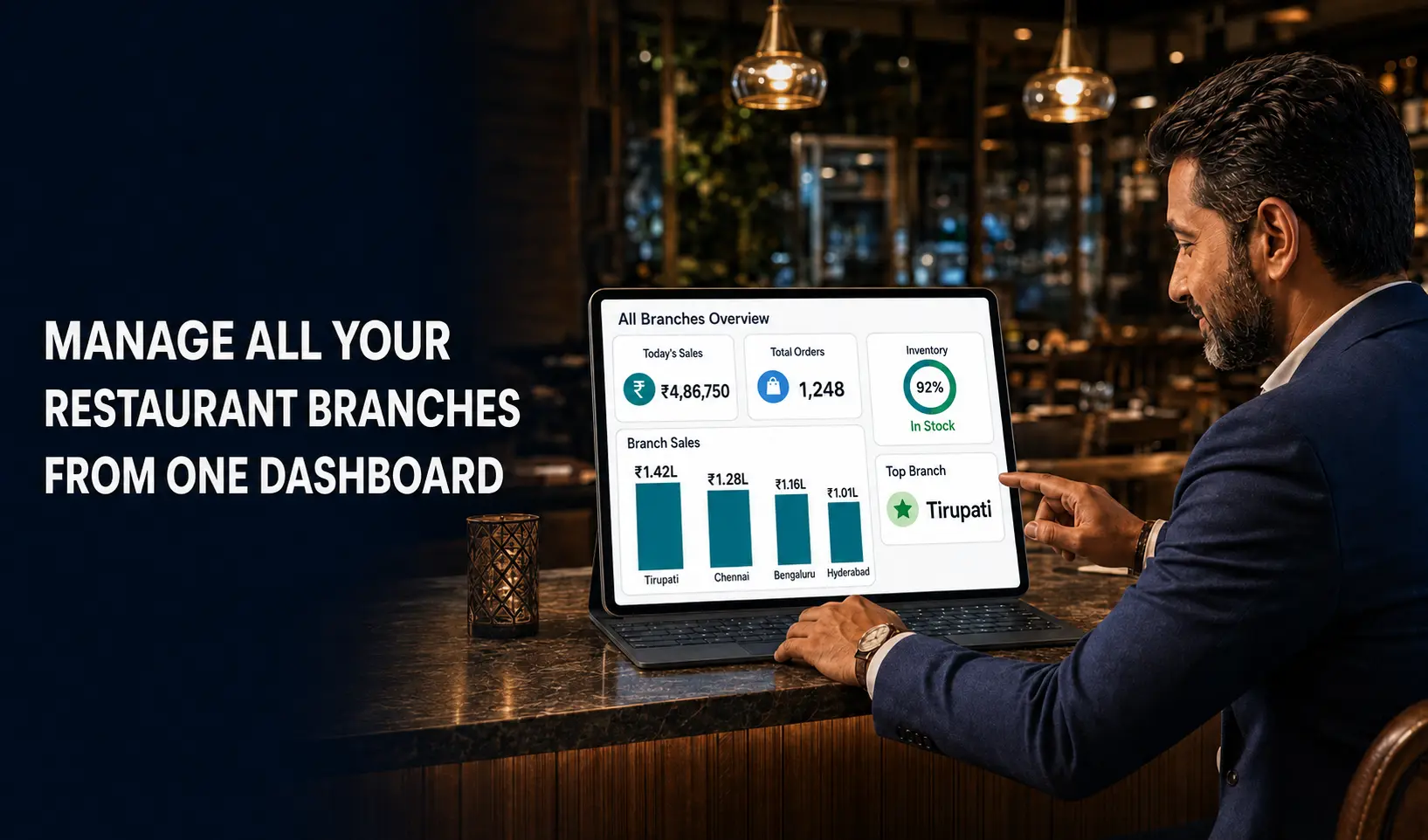
Your software should grow with your business. If you plan to expand to multiple branches or increase daily order volume, your RMS must handle that growth efficiently.
Scalable systems allow centralized reporting, multi-branch inventory control, and consolidated financial tracking. Investing in scalable software prevents the need for frequent system changes in the future.
5. Assess Long Term Value
While pricing is important, long term value matters more. Evaluate how much time the system saves daily, how accurately it tracks inventory, and how effectively it generates business insights.
Reliable software reduces operational risks and improves profitability over time. A slightly higher investment today can prevent larger losses tomorrow.
6. Understand the Customer Support and Onboarding Process

Even the best software requires proper implementation and training. Before switching, evaluate the providerΓÇÖs onboarding support, staff training sessions, and technical assistance availability.
A smooth onboarding process ensures minimal disruption to daily operations. Continuous customer support guarantees that any technical issues are resolved quickly, keeping your restaurant running without interruption.
Why Choose RestosoftIN?
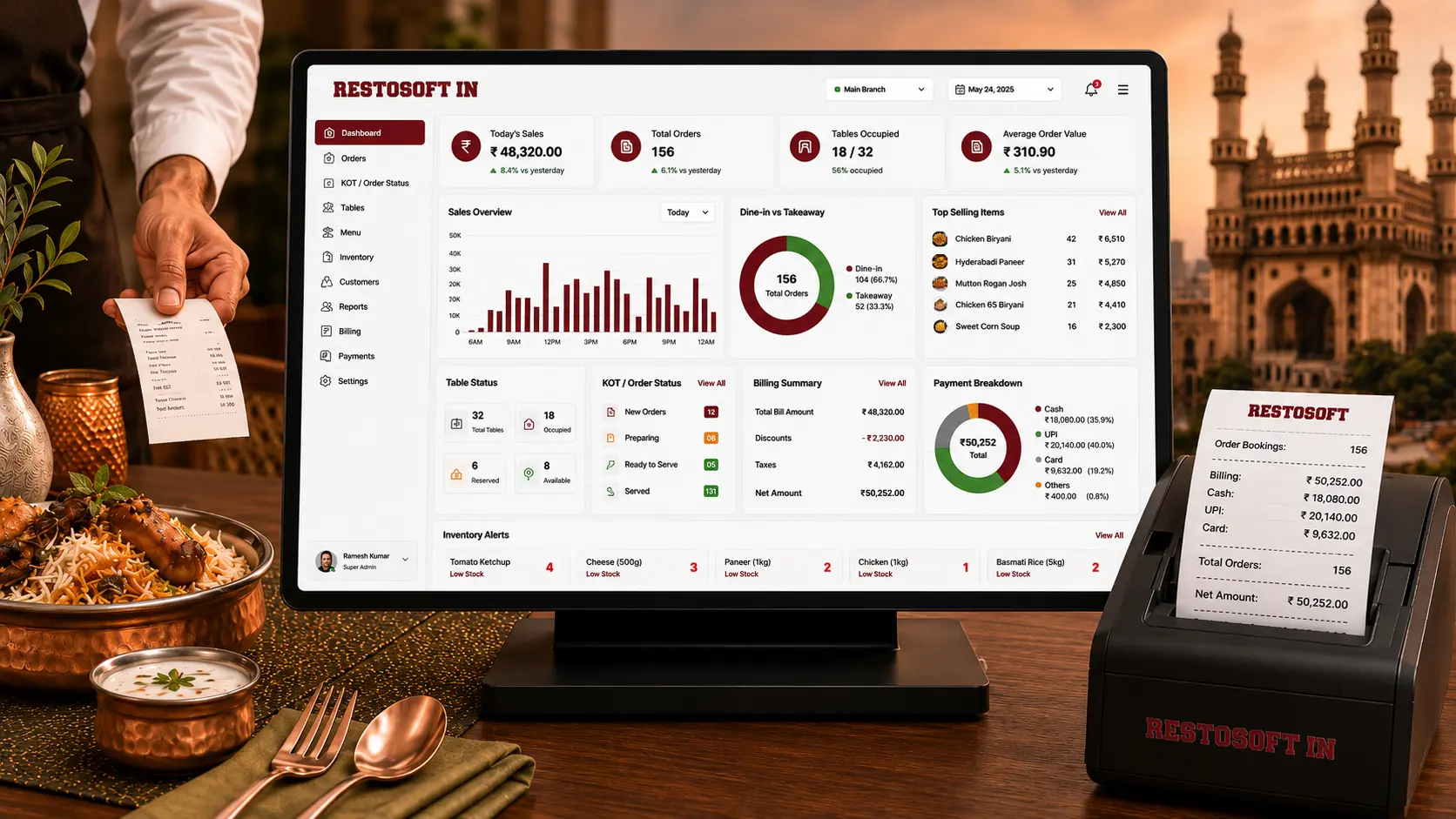
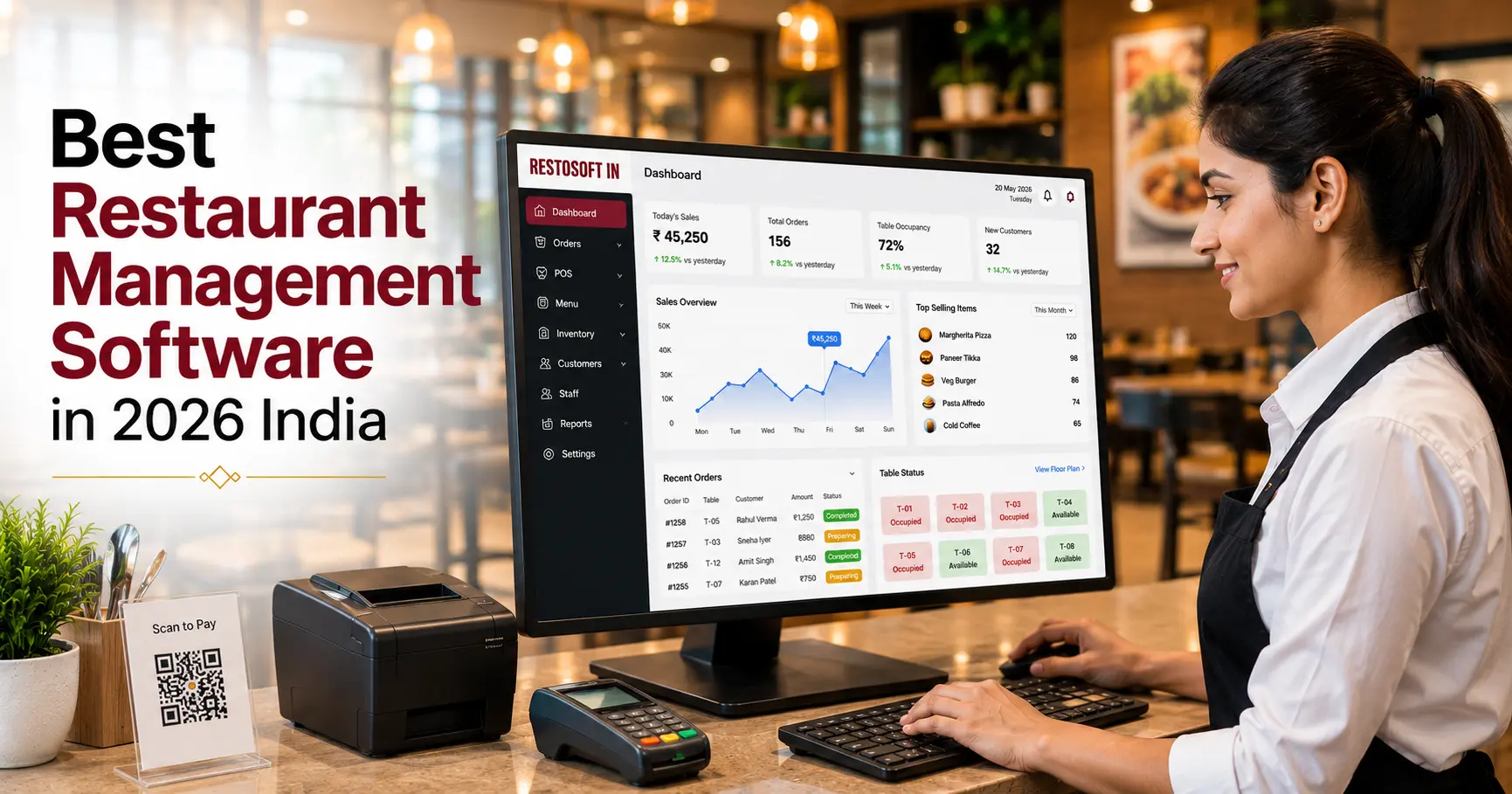
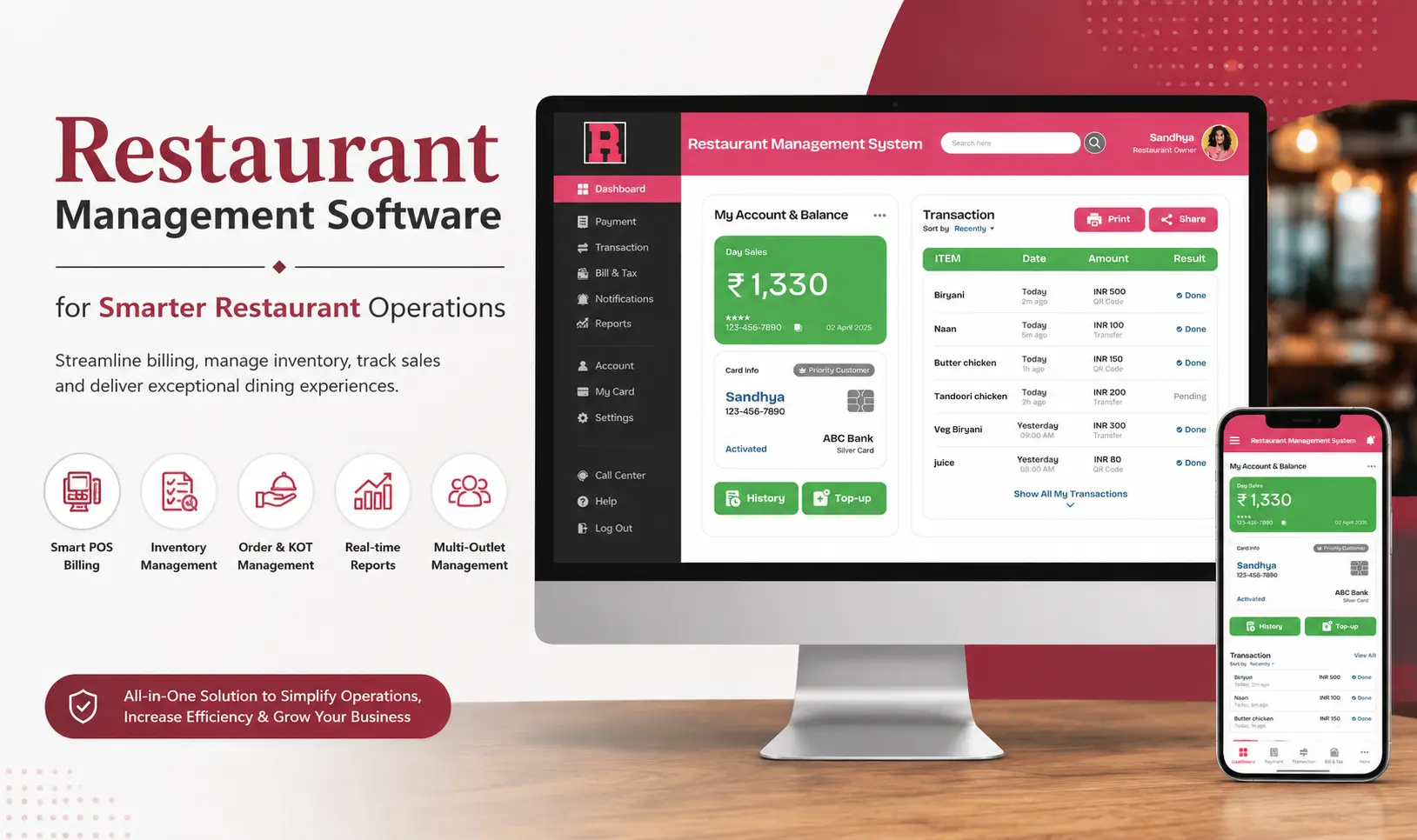
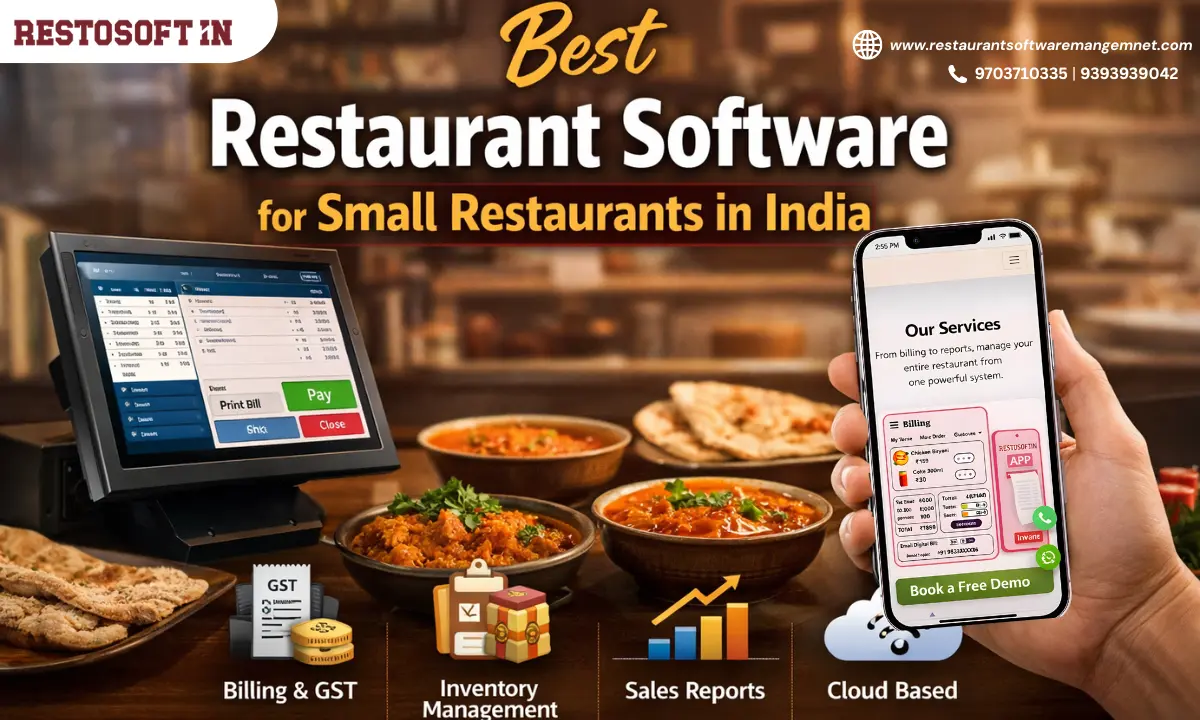
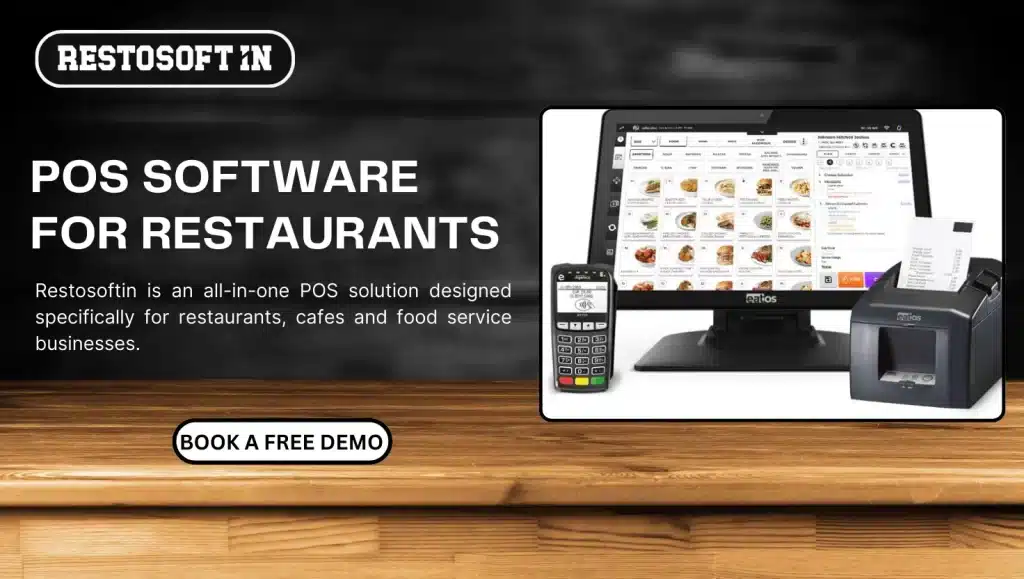
At RestosoftIN we understand the real operational challenges restaurant owners face every day from billing delays and inventory mismatches to reporting confusion and manual errors. Our restaurant management software is designed to simplify and streamline these processes through fast POS billing, real-time inventory tracking, GST compliant invoicing, and detailed business reporting all within one integrated platform.
RestosoftIN helps restaurants reduce revenue leakage, improve operational efficiency, and gain complete visibility into daily performance. Whether you run a single outlet or plan to expand, our system is built to support your growth with reliability and strong customer support.
Ready to Replace Your Old RMS?
If your current restaurant management system is slowing down your operations or limiting your growth, now is the right time to upgrade. Replacing an outdated RMS is not just a software change itΓÇÖs a business improvement decision.
With RestosoftIN, you can experience smoother billing, better stock control, accurate reporting, and improved management confidence.
Book a Free Demo Today and see how RestosoftIN can transform the way you run your restaurant.