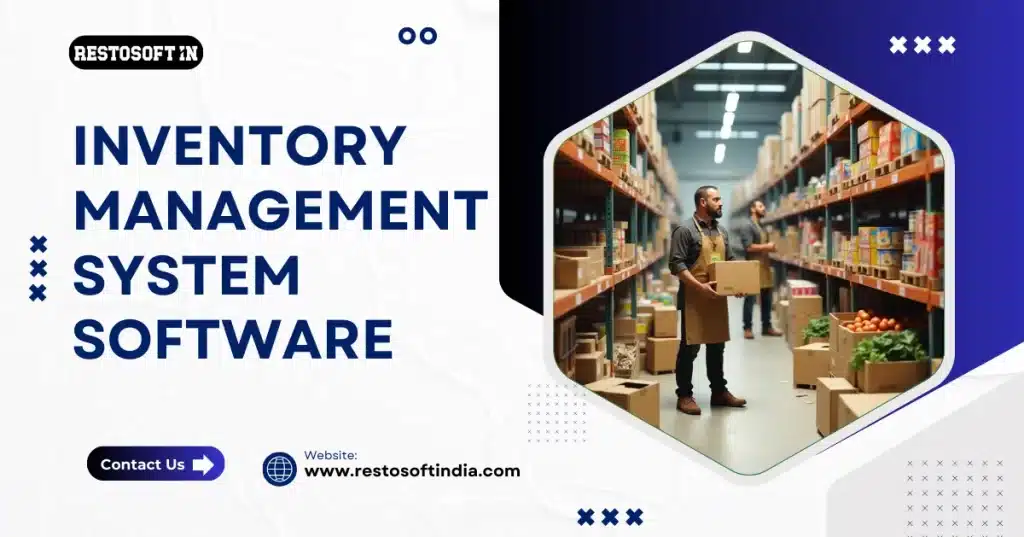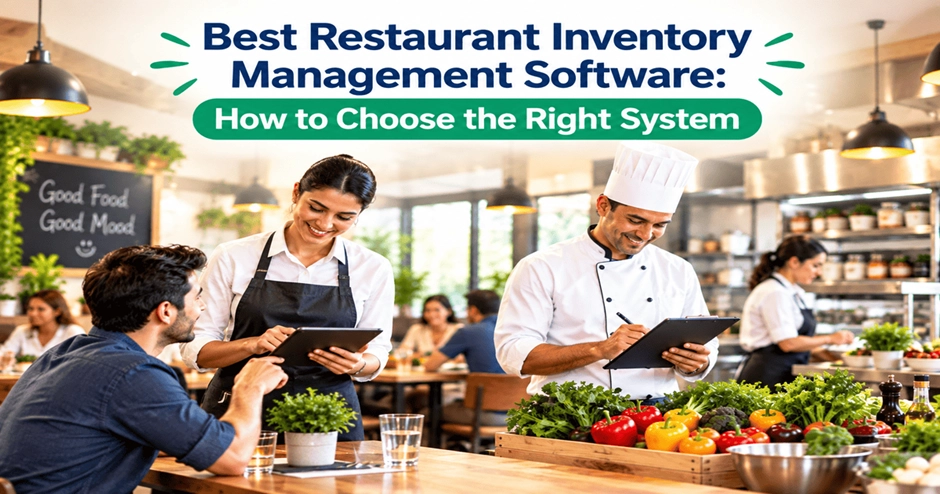
Managing restaurant inventory manually can be time-consuming and can lead to problems such as food waste, stock shortages, over-ordering, and inaccurate cost calculations. As restaurants handle large quantities of ingredients and supplies every day, having an organized inventory process is essential. Restaurant inventory management software helps restaurants monitor stock levels, track purchases, manage food costs, reduce waste, and make better purchasing decisions.
Whether you operate a small café, a growing restaurant, or a multi-location food business, the right inventory system can make daily operations easier and more efficient.
What Is Restaurant Inventory Management Software?
Restaurant inventory management software is a digital system designed to help restaurants track, organize, and control their inventory. It can monitor ingredients, beverages, packaging materials, and other supplies from purchasing to consumption.
Instead of maintaining spreadsheets or paper records, restaurant owners and managers can use software to view current stock levels, record purchases, monitor usage, and identify items that need to be reordered.
A good system can also provide reports that help restaurants understand food costs, inventory value, purchasing patterns, and wastage.
Why Do Restaurants Need Inventory Management Software?
Restaurants deal with constantly changing inventory. Ingredients arrive from suppliers, are stored, used in recipes, and eventually need to be reordered. Without proper tracking, it can be difficult to know exactly what is available.
Inventory management software for restaurants provides better visibility into stock and helps reduce common inventory problems.
Key benefits include:
- Real-time inventory tracking
- Reduced food waste
- Better purchasing control
- Accurate stock records
- Improved food cost management
- Automated reorder alerts
- Supplier and purchase tracking
- Inventory reports and analytics
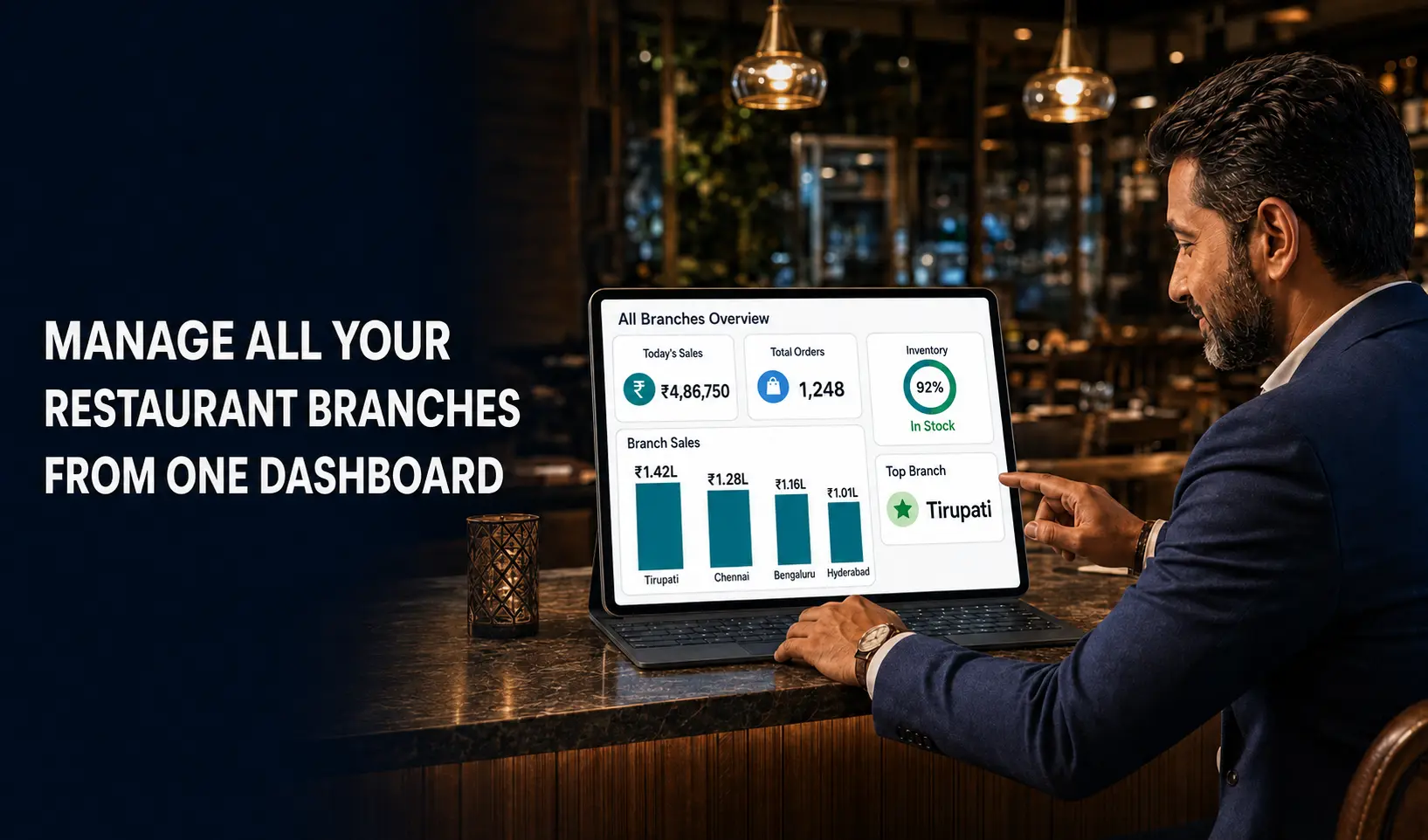
- Better control across multiple locations
By automating repetitive inventory tasks, restaurant teams can spend less time updating spreadsheets and more time focusing on customers and daily operations.
What Features Should the Best Restaurant Inventory Management Software Have?
When comparing the best restaurant inventory management software, restaurants should look beyond basic stock counting. The system should support the specific requirements of food-service operations.
1. Real-Time Stock Tracking
Real-time tracking allows managers to see available inventory and identify low-stock items quickly. This can help prevent situations where an important ingredient runs out during service.
2. Purchase and Supplier Management
The system should allow businesses to record purchase orders, supplier details, prices, and received quantities. This makes it easier to monitor purchasing activity and compare supplier costs.
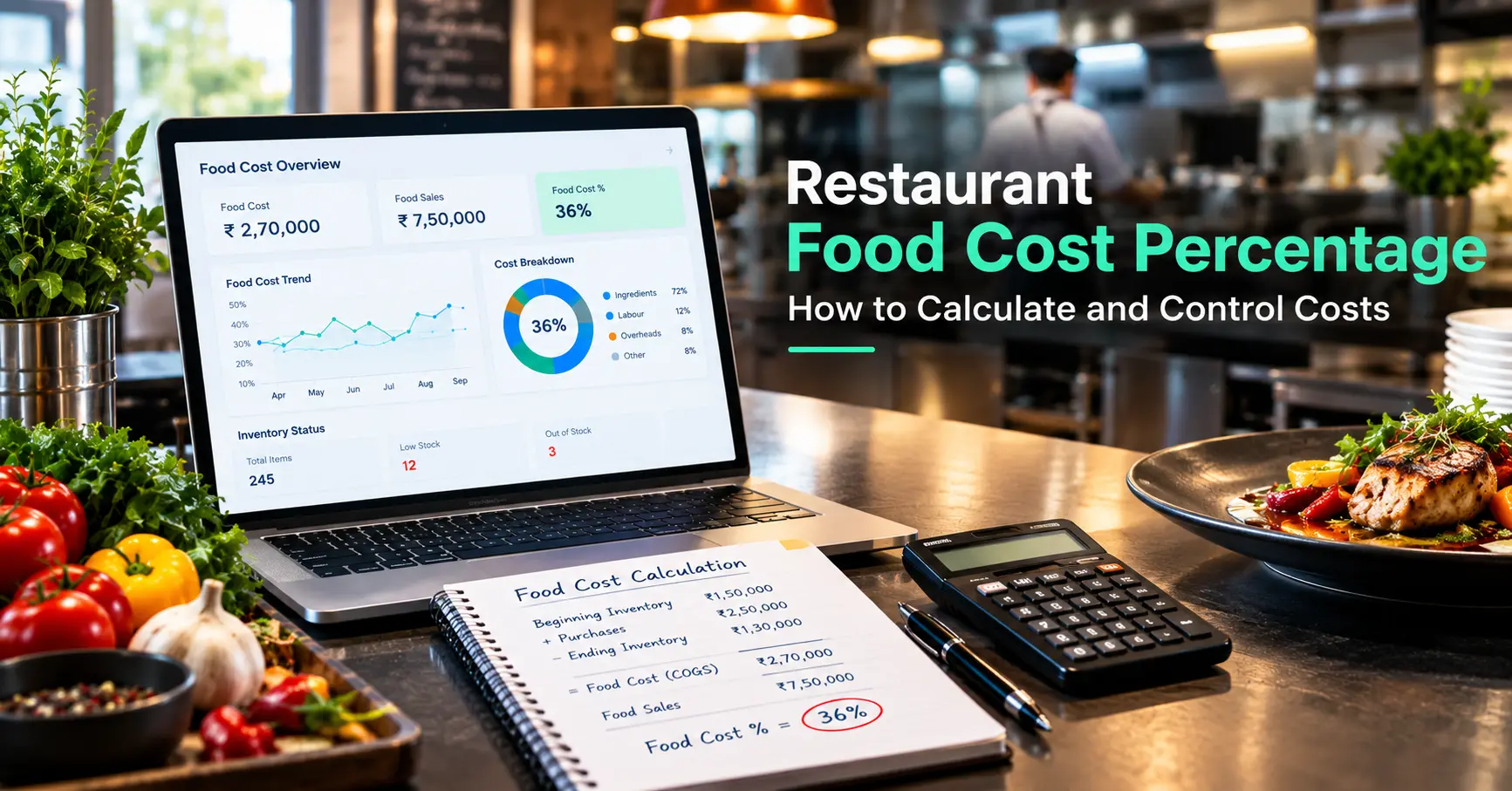
Food costs directly affect restaurant profitability. A reliable inventory system can help businesses monitor ingredient costs and understand how inventory changes affect overall expenses.
4. Recipe and Ingredient Management
Recipe-level inventory tracking can connect ingredients with menu items. When a dish is sold, the system can help calculate the ingredients consumed based on configured recipes.
5. Low-Stock Alerts
Automated alerts can notify managers when inventory reaches a predefined minimum level. This helps teams reorder products before they become unavailable.
Useful reports can show inventory value, purchasing history, consumption, wastage, and food costs. These insights help managers make informed operational decisions.
| Feature | Traditional Method | Restaurant Inventory Management System |
|---|---|---|
| Stock Tracking | Manual records and spreadsheets | Automated and real-time tracking |
| Inventory Accuracy | More chances of human errors | More accurate stock data |
| Food Waste | Difficult to identify wastage | Helps track and reduce wastage |
| Purchasing | Based on manual calculations | Uses inventory data to plan purchases |
| Ingredient Costing | Time-consuming calculations | Faster and more accurate cost tracking |
| Expiry Tracking | Often done manually | Helps monitor expiry dates |
| Supplier Management | Paper-based or scattered records | Centralized supplier and purchase records |
| Reporting | Requires manual preparation | Quick inventory and cost reports |
| Multi-Location Management | Difficult to manage | Easier to monitor multiple outlets |
| Decision Making | Based on estimates | Based on real-time inventory data |
Is Restaurant Inventory Software Useful for Small Restaurants?
Yes. A small restaurant can also benefit from restaurant inventory software because inventory accuracy is important regardless of business size.
Small restaurants may have fewer employees and limited administrative resources. Automating stock tracking, purchasing records, and inventory reports can reduce manual work.
The key is choosing software that matches the restaurant's actual requirements rather than paying for unnecessary features.
What Should You Consider Before Buying Restaurant Inventory Management Software?
Before selecting restaurant inventory management software, consider the following questions:
- Does the software support your restaurant's inventory process?
- Can it track ingredients and supplies accurately?
- Does it provide purchase and supplier management?
- Can it monitor food costs?
- Does it support recipe-based inventory?
- Are useful reports available?
- Can employees use it easily?
- Does it integrate with your existing restaurant systems?
- Can it support multiple locations if your business expands?
- Is customer support available when needed?
- Does the pricing fit your operational budget?
Answering these questions can help you create a practical shortlist of suitable solutions.
Restosoft for Modern Restaurants
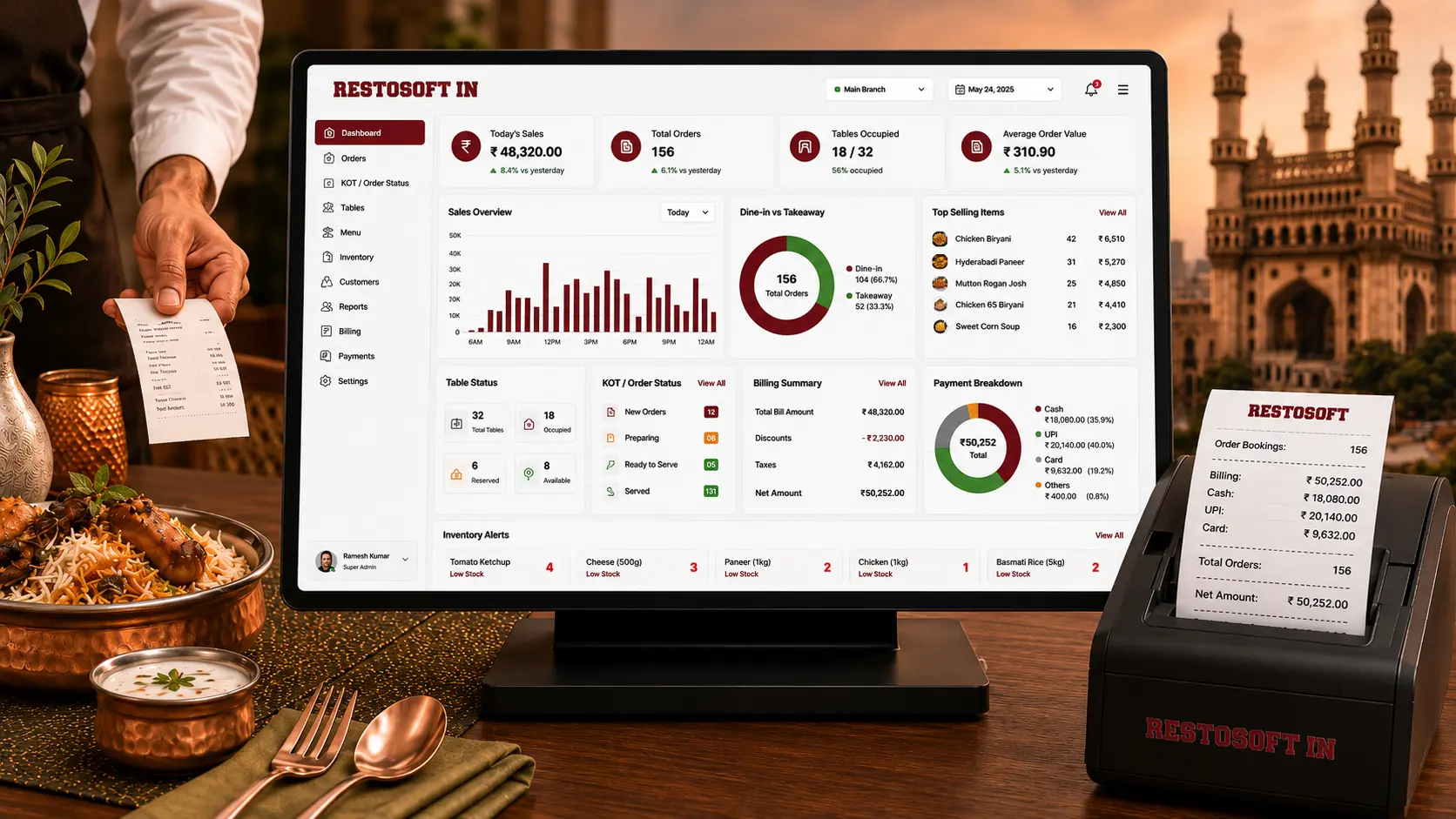
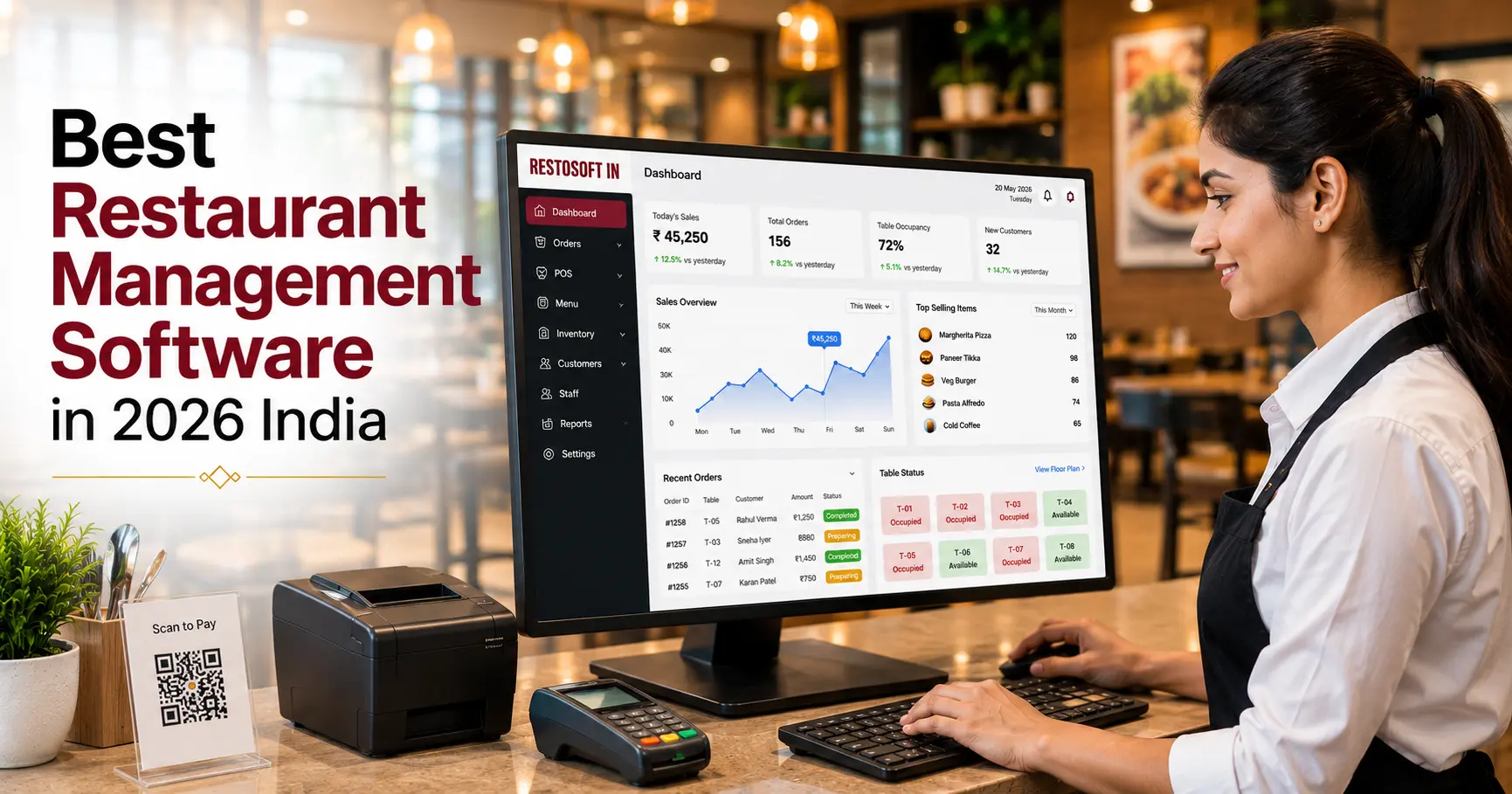
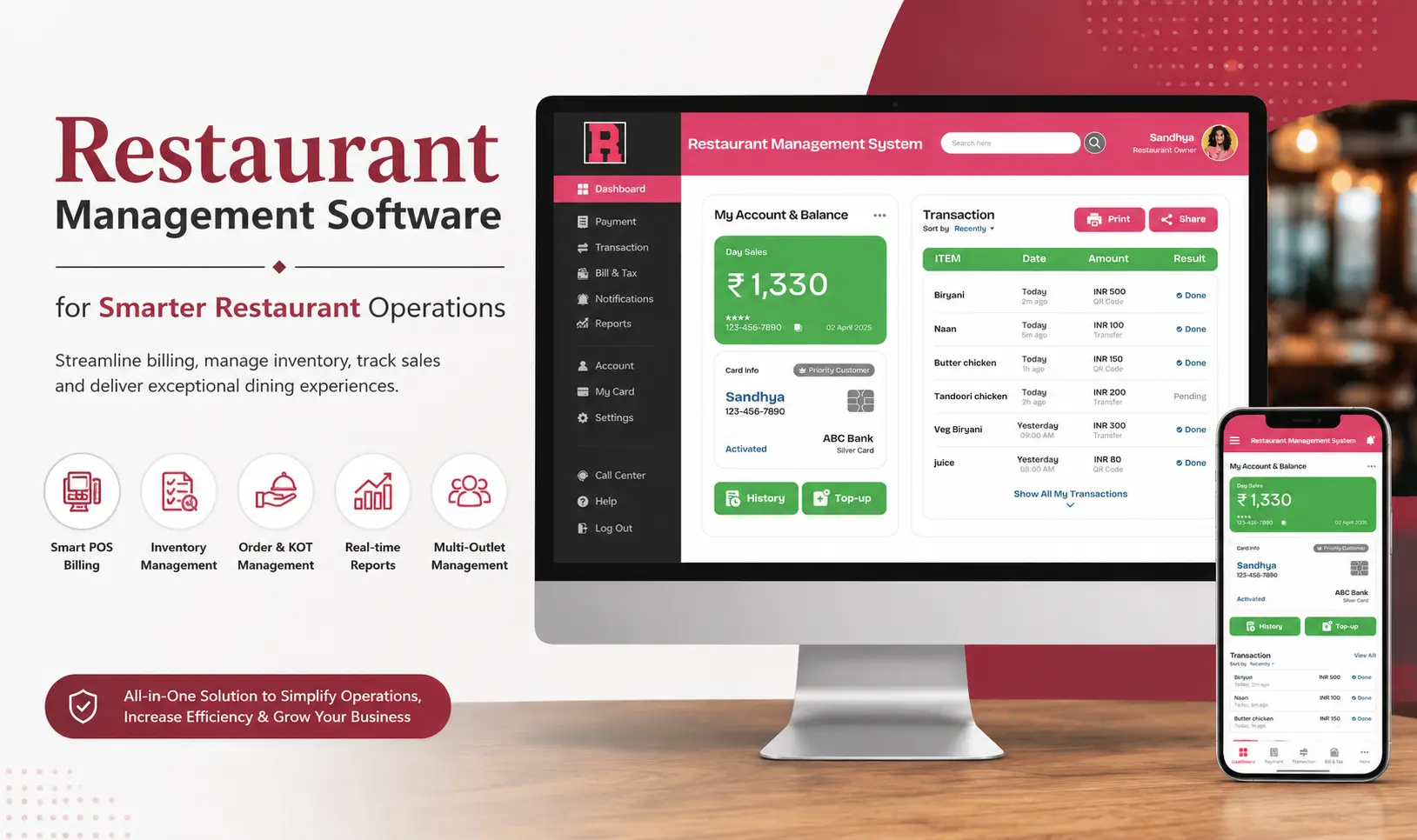
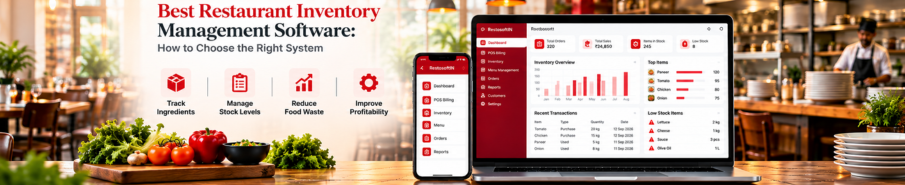
Whether you operate a single restaurant, café, cloud kitchen, or multiple outlets, having the right inventory management system can make everyday operations easier. Restosoft brings essential restaurant management functions together so teams can spend less time managing spreadsheets and manual records and more time focusing on their customers. s
If you're comparing restaurant inventory management systems, consider factors such as ease of use, inventory tracking, purchasing, reporting, scalability, integration capabilities, and customer support before selecting a solution.
Restosoft can be presented as a technology partner for restaurants looking to organize inventory and streamline their day-to-day management processes.
Conclusion
Choosing the right restaurant inventory management software can help improve stock visibility, reduce waste, control food costs, and streamline daily operations. Restosoft brings essential restaurant management operations together, helping you manage inventory more efficiently and stay in control as your business grows.
Ready to improve your restaurant inventory management? Explore Restosoft today and request a personalized demo.