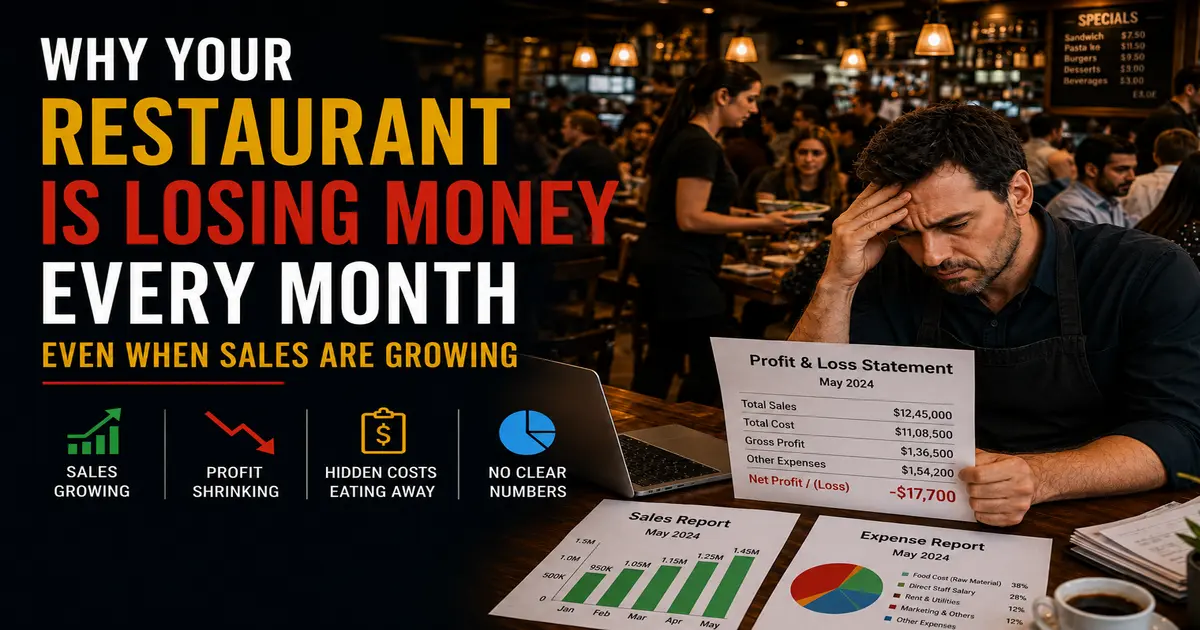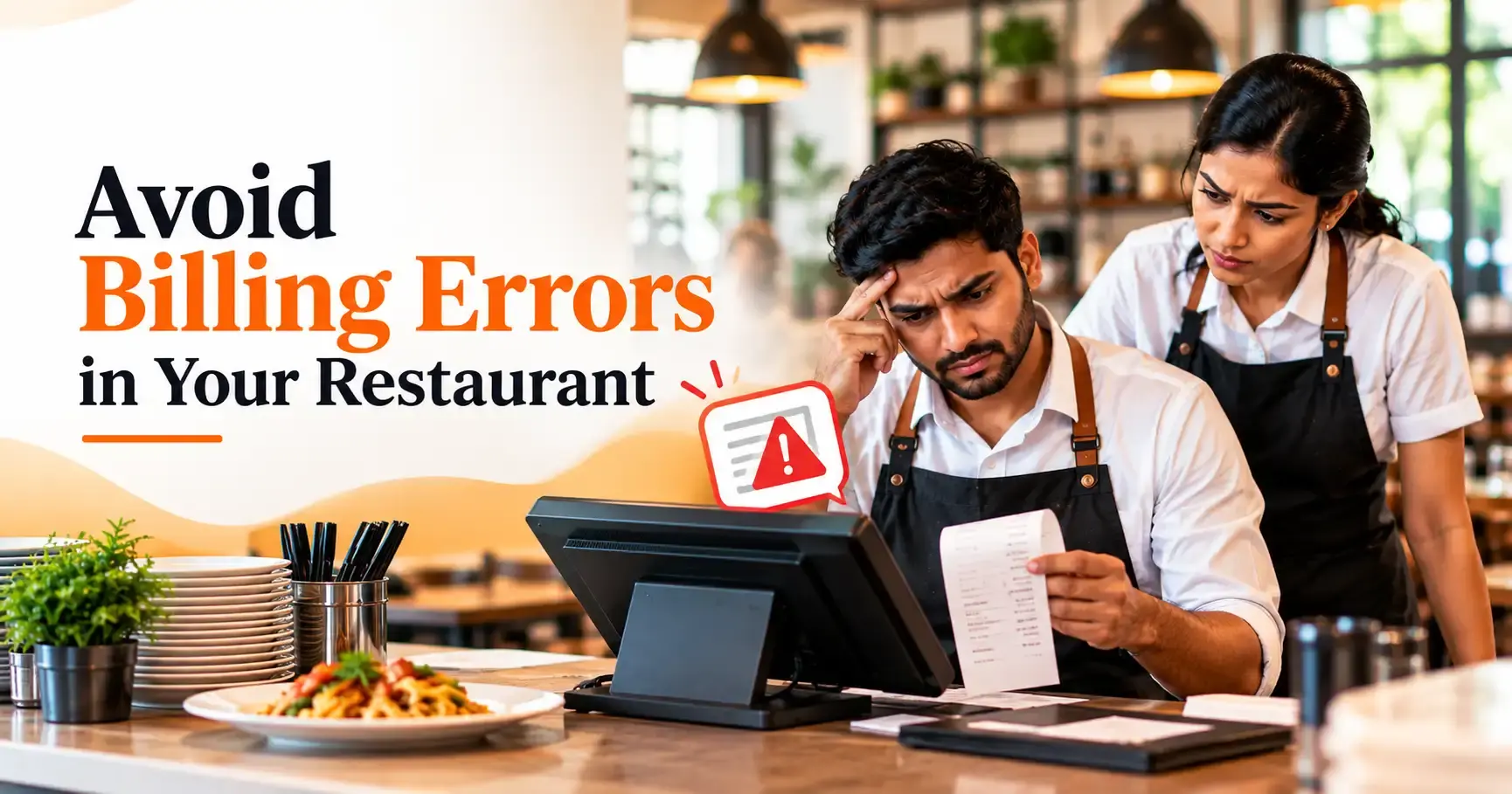
Restaurant billing errors can lead to revenue discrepancies, customer dissatisfaction, and unnecessary operational problems. From incorrect menu prices and duplicate charges to tax calculation mistakes and payment mismatches, even small billing issues can affect a restaurant's daily operations.
Understanding the common causes of restaurant billing errors helps restaurant owners, managers, and billing staff improve accuracy and maintain customer trust. With standardized billing procedures, regular transaction checks, and suitable restaurant billing software, businesses can reduce manual mistakes and manage transactions more efficiently.
What Are Restaurant Billing Errors?
Restaurant billing errors are mistakes that occur when calculating, generating, recording, or processing customer bills. These errors may involve incorrect item prices, missing orders, duplicate charges, inaccurate taxes, wrongly applied discounts, or payment-record discrepancies.
They can occur in restaurants that use manual billing methods as well as those using digital billing systems with incorrect configurations or inconsistent procedures.
For example, if a customer orders three items but the bill includes only two, the final amount will be incorrect. Similarly, applying an outdated menu price or recording a successful payment incorrectly can create problems for both customers and restaurant staff.
Identifying these errors early helps restaurants maintain accurate transaction records, resolve billing complaints, and improve operational efficiency.
What Are the Most Common Restaurant Billing Errors?
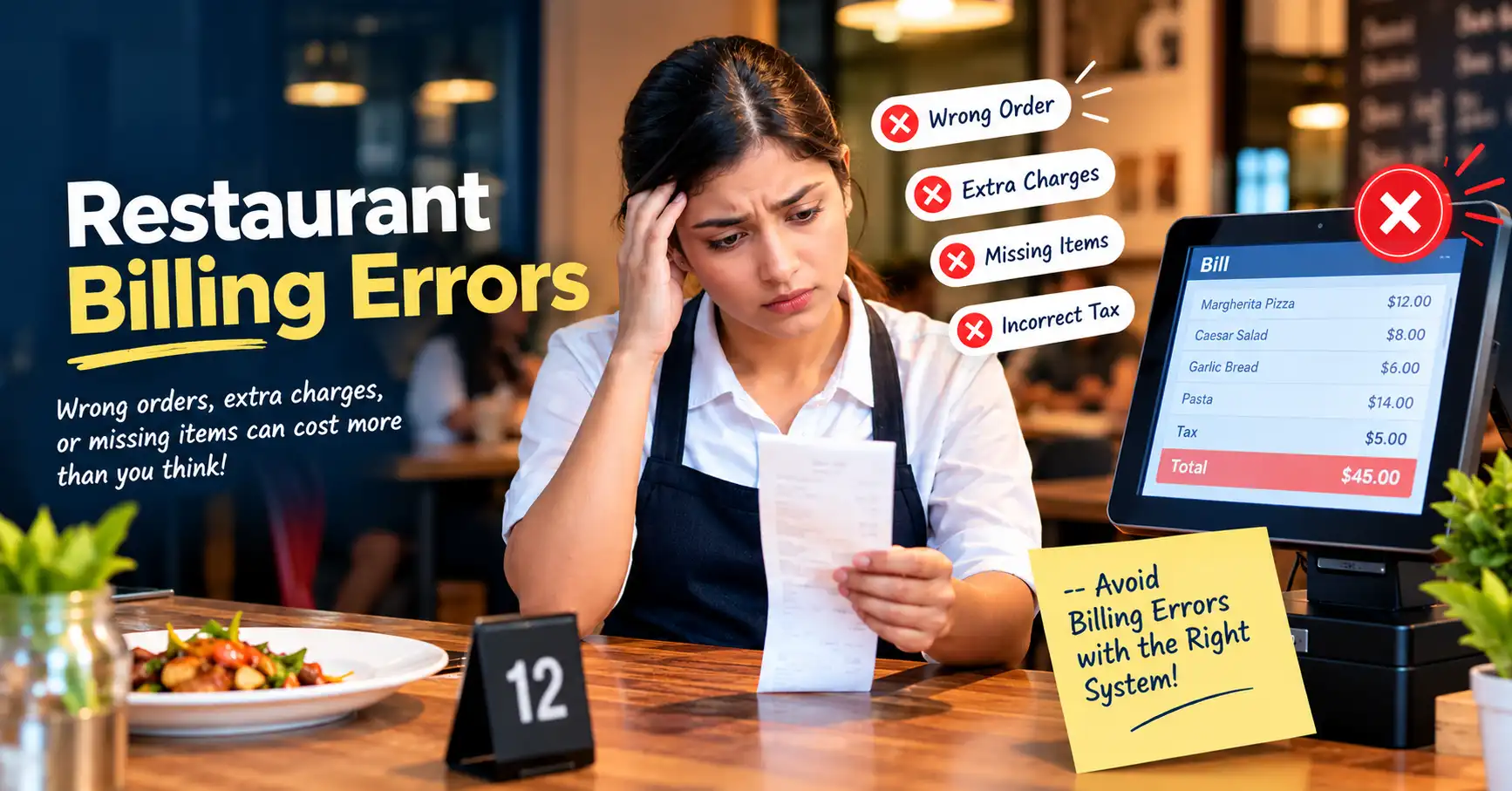
Restaurant billing errors can occur at different stages, from order entry to final payment. Understanding these common problems is the first step toward preventing them.
1. Incorrect Menu Prices and Item Charges
Incorrect menu prices are a common source of billing disputes. They may occur when menu prices change but the billing system continues using outdated rates, or when staff select the wrong item or price during order entry.
For example, if a menu item costs ₹180 but the bill displays ₹200, the customer may question the difference.
How to prevent it:
- Keep menu prices updated across billing channels.
- Review price changes before making them available.
- Use standardized item names and pricing.
- Verify the billed items against the customer's order.
2. Missing Items or Duplicate Charges
Missing items occur when ordered products are not included in the bill. Duplicate charges happen when the same item is entered more than once or a transaction is recorded twice.
Both errors can affect customer satisfaction and revenue tracking. Duplicate charges may also result in refund requests and additional payment reconciliation work.
How to prevent it:
- Verify item quantities before generating the final bill.
- Check for duplicate entries when reviewing orders.
- Maintain a consistent process for modifying orders.
- Review corrected bills and transaction records when discrepancies occur.
3. Incorrect GST and Tax Calculations
Incorrect tax calculations can occur when tax settings are outdated, the wrong tax category is selected, or staff apply taxes incorrectly.
For restaurants operating in India, applicable GST treatment can vary depending on the type of service and business circumstances. Incorrect configuration may lead to inaccurate invoices and compliance issues.
How to prevent it:
- Configure tax rates according to the applicable GST rules.
- Review tax settings whenever relevant regulations or business conditions change.
- Verify taxable values and invoice calculations.
- Consult a qualified tax professional when clarification is needed.
Restaurant billing software can help apply configured tax rules consistently, but the settings must be correct and kept up to date.
4. Discount, Coupon, and Offer Errors
Discount errors occur when promotional offers are applied incorrectly, expired coupons are accepted, or eligible customers do not receive the intended discount.
For example, a cashier may apply a discount to an ineligible order or forget to apply a valid promotional offer.
How to prevent it:
- Define clear eligibility conditions for every offer.
- Set appropriate start dates, end dates, and discount limits.
- Train staff to verify promotional conditions.
- Review discount records to identify unusual transactions.
5. Wrong Order Details and Table Billing
Restaurants handling dine-in, takeaway, and online orders must maintain accurate order details. Selecting the wrong table, entering an incorrect quantity, or assigning an order to the wrong customer can result in billing confusion.
These errors are especially disruptive during busy service periods when multiple orders are processed simultaneously.
How to prevent it:
- Confirm table numbers and order details during entry.
- Check item quantities before sending orders for billing.
- Maintain clear communication between service staff, kitchen staff, and cashiers.
- Use an integrated order and billing workflow where appropriate.
6. Payment Failures and Duplicate Payment Records
Payment discrepancies occur when the amount received does not match the amount recorded in the billing system. Examples include marking an unpaid bill as paid, recording a successful UPI payment as pending, or entering the same payment twice.
These issues can complicate end-of-day reconciliation and create unnecessary disputes.
How to prevent it:
- Verify payment status before closing a bill.
- Check transaction references for disputed payments.
- Reconcile cash, card, and UPI transactions with their corresponding records.
- Follow a documented process for failed, pending, and reversed transactions.
Avoid requesting a second payment until the status of the original transaction has been verified.
7. Incorrect Split Bills and Service Charges
When customers share a bill, staff must allocate items, discounts, taxes, and payments correctly. Errors can occur when items are assigned to the wrong person or the total amount is not distributed accurately.
Incorrectly configured service charges can also lead to unexpected totals and customer complaints.
How to prevent it:
- Confirm each customer's items before splitting a bill.
- Verify that the combined payments match the final payable amount.
- Explain applicable charges clearly.
- Check that service charges and other fees follow the restaurant's stated policies and applicable requirements.
8. Manual Calculation and Data-Entry Mistakes
Manual calculations and repeated data entry increase the possibility of arithmetic mistakes, incorrect quantities, and inconsistent transaction records.
For example, a cashier may enter the wrong amount while calculating a discount or transferring an order total into another record.
How to prevent it:
- Minimize unnecessary manual calculations.
- Use a reliable billing system with automated arithmetic.
- Standardize billing procedures across shifts.
- Train employees to verify important transaction details.
Automation can reduce routine calculation errors, although staff oversight and accurate system configuration remain essential.
How to Prevent Restaurant Billing Errors
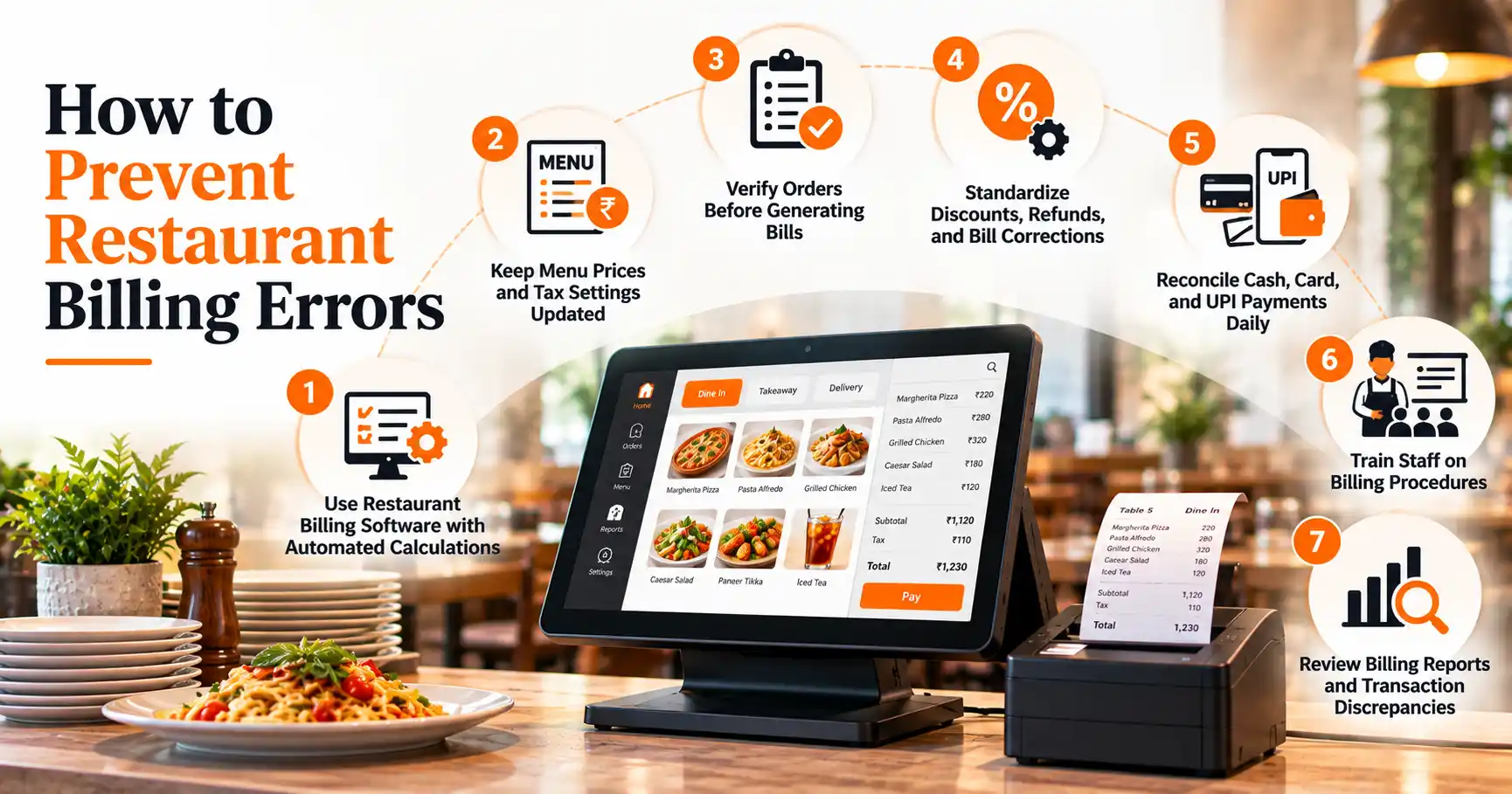
Restaurants can reduce billing errors by combining accurate system configuration, clear operating procedures, employee training, and regular financial checks.
1. Use Restaurant Billing Software with Automated Calculations
A suitable restaurant billing system can automatically calculate item totals, configured taxes, and discounts according to the information entered into the system.
This reduces reliance on manual arithmetic and helps maintain consistent calculations across transactions.
Choose software that supports the billing workflows your restaurant requires, including itemized invoices, payment recording, and relevant transaction reports.
2. Keep Menu Prices and Tax Settings Updated
Review menu prices and tax configurations whenever business requirements change. Ensure that updates are applied consistently across relevant billing channels.
Assign responsibility for approving price changes and verifying tax settings. This helps prevent outdated rates from appearing on customer bills.
3. Verify Orders Before Generating Bills
Before finalizing an invoice, confirm the items, quantities, modifications, and applicable charges.
For dine-in restaurants, verify table details. For takeaway and delivery orders, confirm that the billed items match the recorded order.
This simple verification step can prevent many avoidable disputes.
4. Standardize Discounts, Refunds, and Bill Corrections
Create clear procedures for applying discounts, cancelling items, processing refunds, and correcting invoices.
Where possible, use appropriate access permissions and retain records of significant changes. This supports accountability and helps managers investigate unusual transactions.
5. Reconcile Cash, Card, and UPI Payments Daily
Compare the restaurant's recorded payments with cash collections, card settlement information, and UPI transaction records.
Investigate differences before finalizing daily accounts. For pending or failed transactions, verify the payment status rather than assuming the transaction succeeded or failed.
Regular reconciliation helps identify discrepancies before they accumulate.
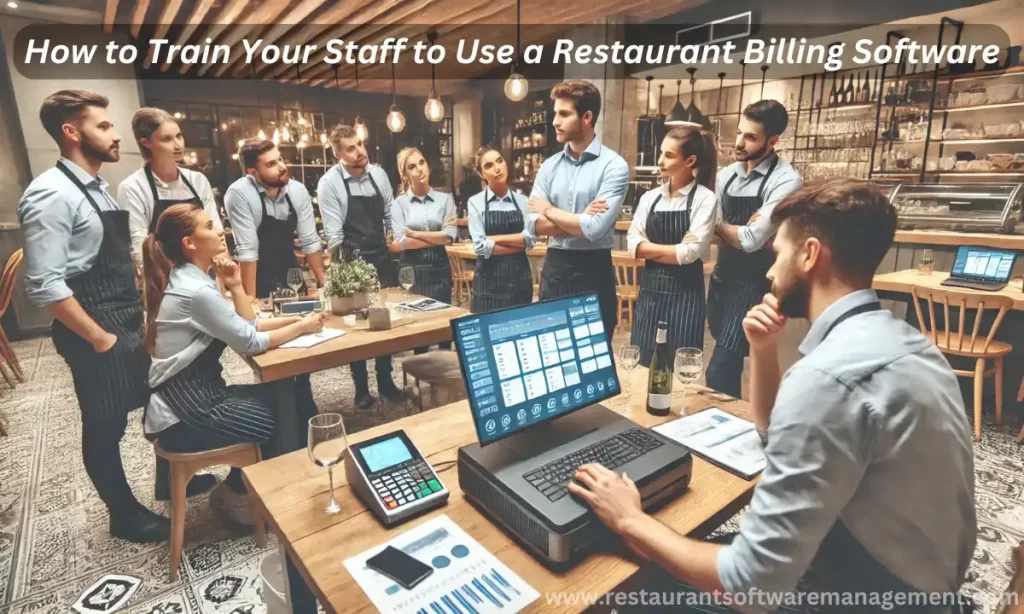
6. Train Staff on Billing Procedures
Provide practical training on order entry, price selection, discount rules, tax settings, payment verification, and customer bill corrections.
Use a consistent checklist across shifts so that every employee follows the same process.
Managers should also review recurring errors and provide targeted guidance when particular problems appear frequently.
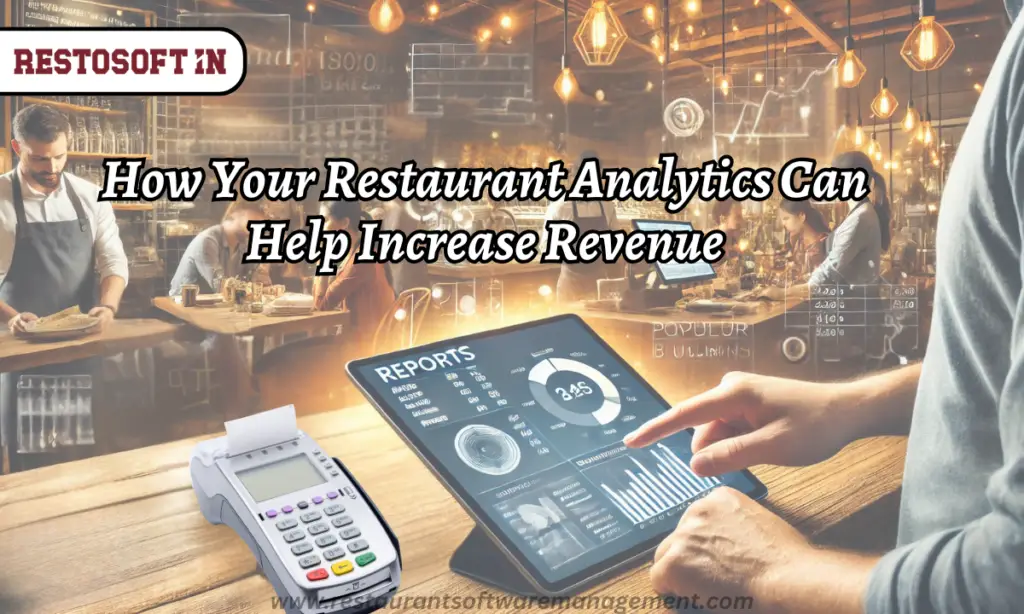
7. Review Billing Reports and Transaction Discrepancies
Review available sales reports, voided transactions, refunds, discounts, and payment discrepancies regularly.
Look for recurring patterns, such as repeated corrections for the same menu item or frequent payment mismatches during peak hours.
Investigating these patterns helps restaurant owners improve processes instead of repeatedly correcting individual bills.
Reduce Restaurant Billing Errors with Restosoft
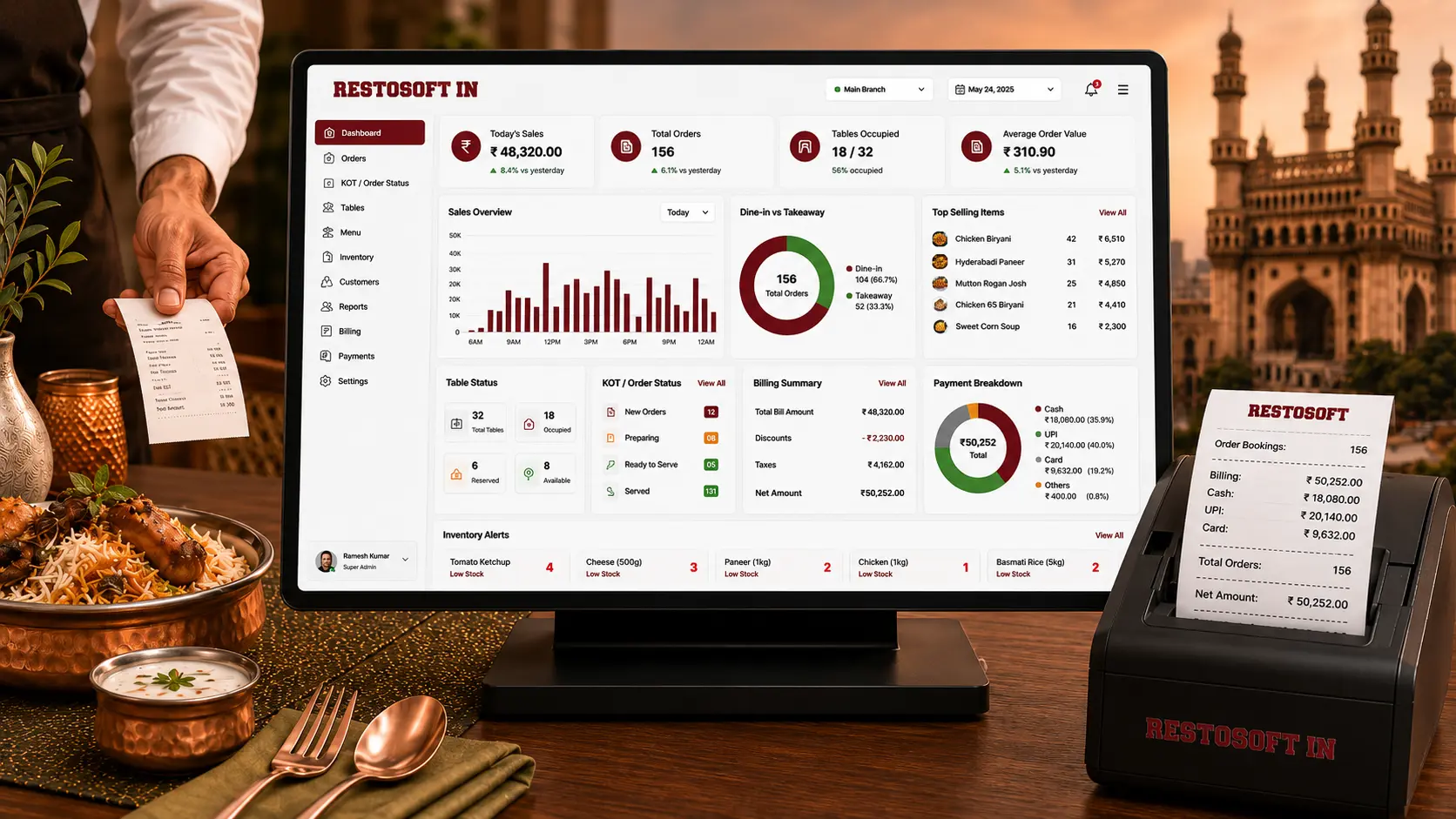
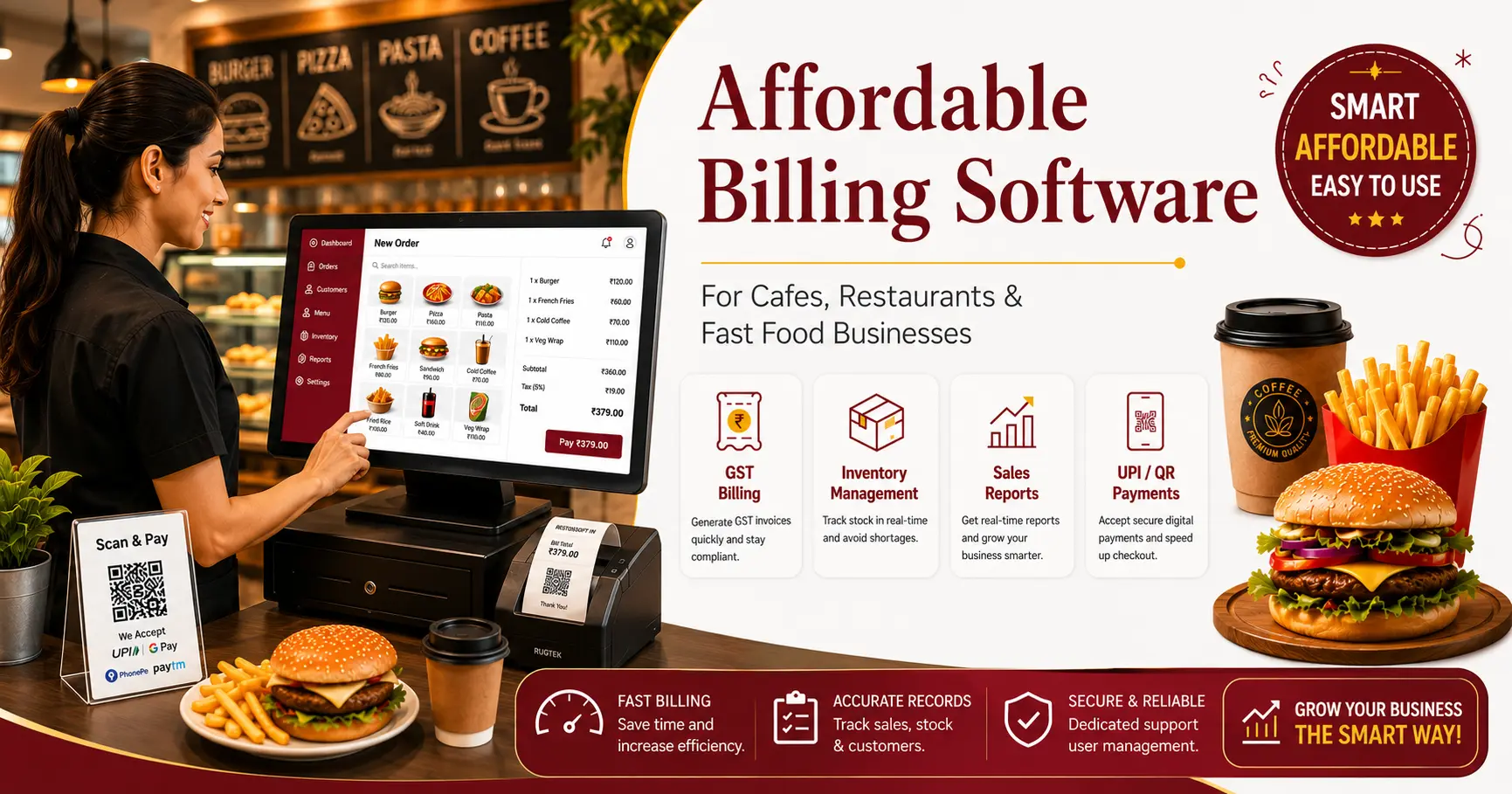
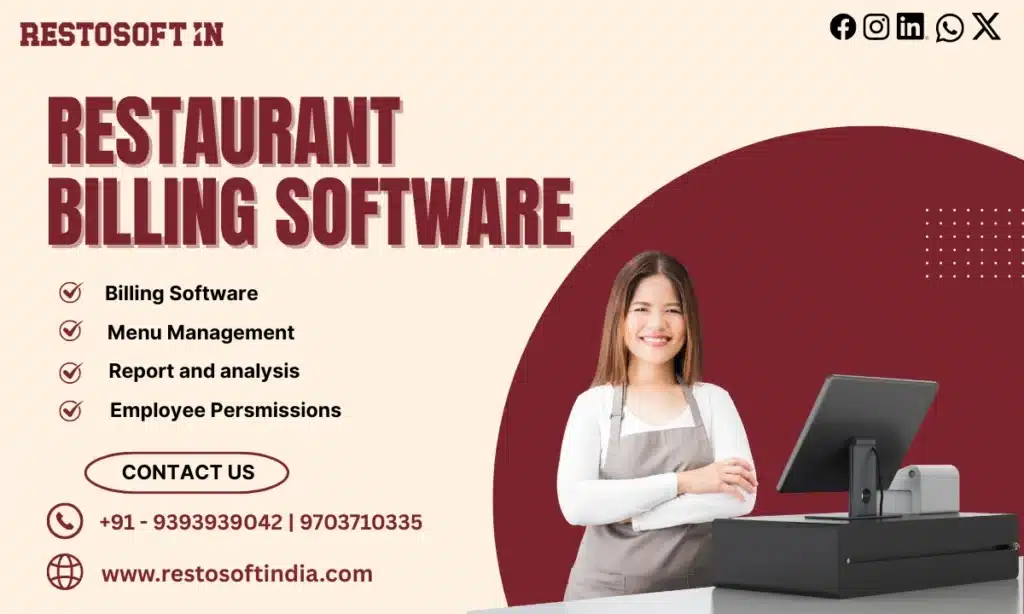
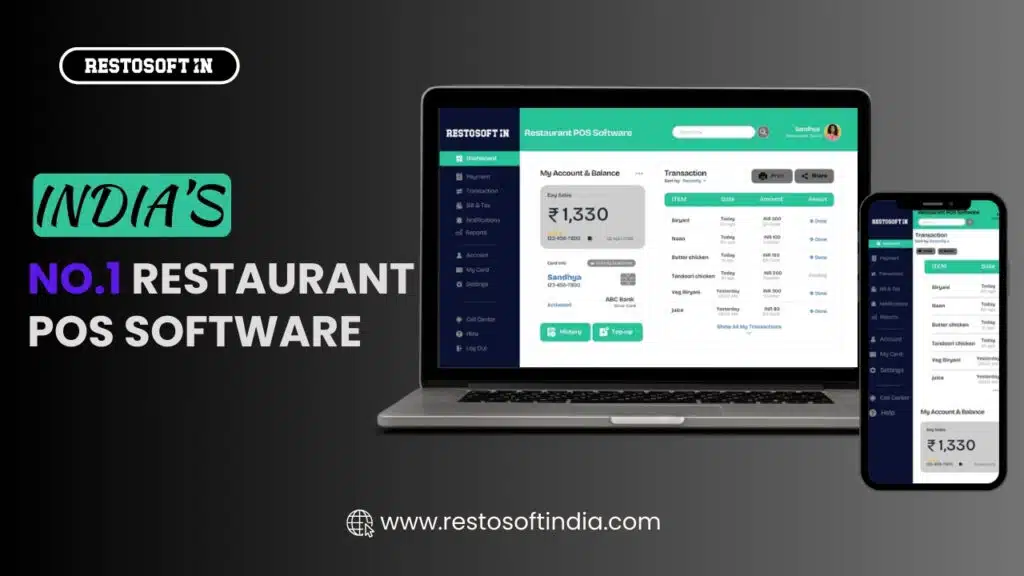
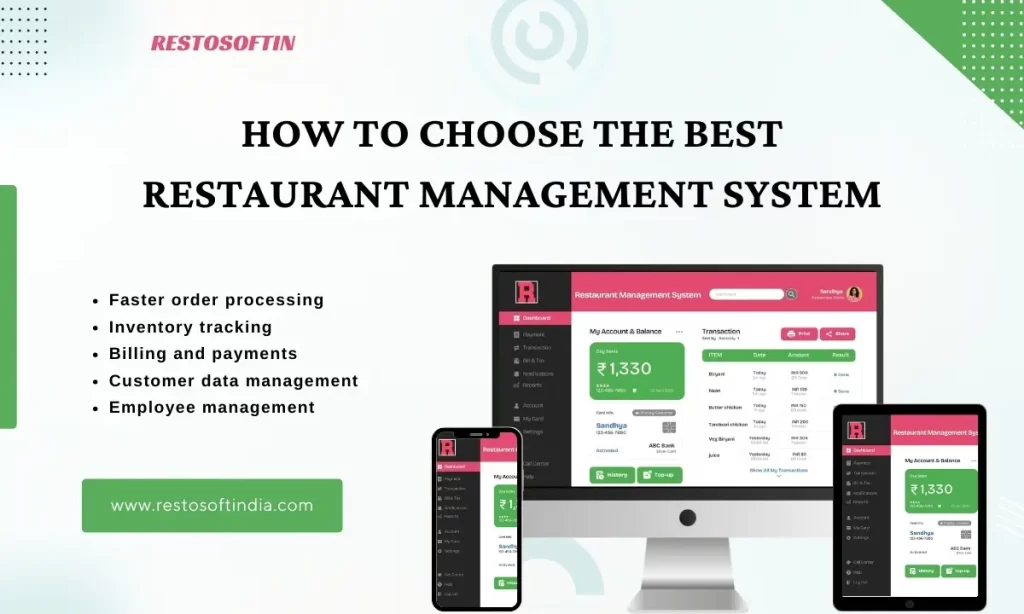
Restaurant billing errors can lead to revenue discrepancies, customer dissatisfaction, and operational inefficiencies. Restosoft restaurant billing software helps streamline billing operations, manage order records, and simplify payment tracking. By reducing manual calculations and improving billing workflows, restaurants can work more efficiently and deliver a better customer experience.
Choose Restosoft to improve billing accuracy and simplify restaurant operations. Contact our team today to explore a restaurant billing solution for your business.