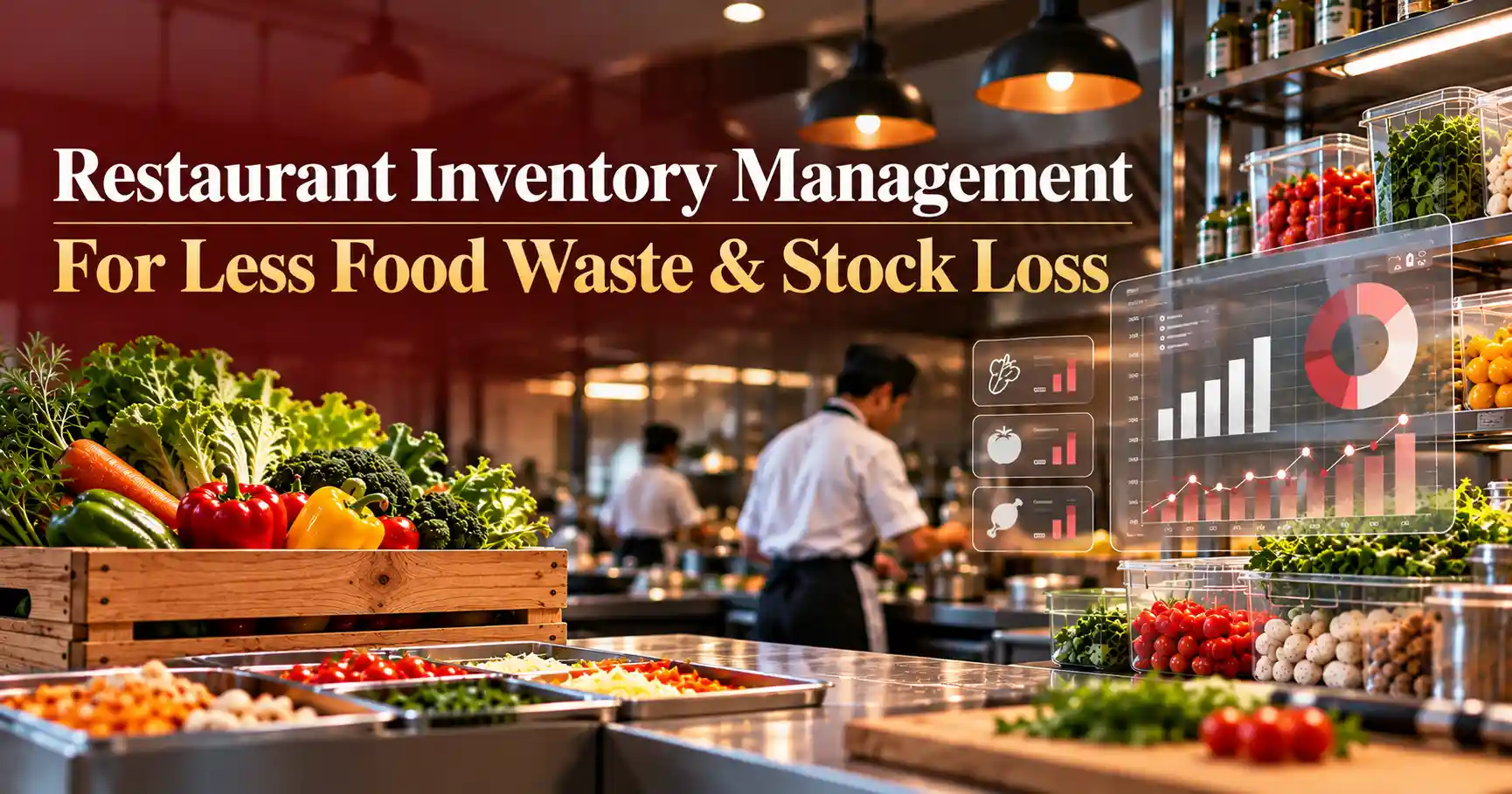
Restaurant inventory management plays an important role in controlling food waste, stock discrepancies, and unnecessary purchasing. By tracking what is purchased, received, stored, consumed, wasted, transferred, and left in stock, restaurants can get better visibility into where inventory is being used and where losses are occurring.
A structured inventory process also helps restaurant managers make better purchasing decisions, maintain appropriate stock levels, and identify differences between recorded and physical inventory.
Food Waste and Stock Loss: Two Different Restaurant Problems
Food waste and stock loss are related, but they are not the same.
Food waste occurs when ingredients or prepared food become unusable or are discarded because of spoilage, expiry, over-preparation, damage, incorrect storage, or other reasons.
Stock loss refers to a difference between the inventory that should be available according to records and the quantity actually found during a physical check.
For example, a restaurant may have 30 kg of an ingredient according to its records but find only 26 kg during a physical count. The 4 kg difference becomes an inventory variance that needs investigation.
The basic objective of inventory control is to understand:
What came in → What was used → What was wasted → What was transferred → What should remain
Where Does Restaurant Inventory Loss Actually Happen?
Inventory loss can occur at several stages of the restaurant's daily workflow.
| Inventory Stage | Potential Issue |
|---|---|
| Purchasing | Buying more than required |
| Receiving | Quantity or item mismatch |
| Storage | Spoilage, expiry, or poor stock rotation |
| Preparation | Excess preparation or trimming waste |
| Kitchen Usage | Inconsistent ingredient consumption |
| Serving | Unrecorded usage or incorrect portions |
| Wastage | Discarded food not recorded |
| Closing Stock | Physical and recorded quantities differ |
Looking only at closing stock may show that a problem exists, but reviewing each stage helps identify where the difference occurred.
What Is the Real Impact of Poor Inventory Control?
Poor inventory control affects more than the stockroom.
Higher Food Costs
When ingredients are purchased without considering actual consumption, restaurants may hold more stock than necessary. Some items may expire or become unusable before they are consumed.
Excess Inventory
Over-purchasing ties up money in inventory and increases the risk of spoilage, especially for perishable ingredients.
Stock Shortages
Poor visibility can also create the opposite problem. An important ingredient may run out during service because its actual stock level was not properly monitored.
Unexplained Inventory Differences
If physical stock regularly differs from recorded stock, managers may spend considerable time checking purchases, consumption, wastage, and adjustments.
Poor Purchasing Decisions
Without reliable inventory information, purchasing decisions may depend heavily on estimates instead of actual usage patterns.
More Operational Work
Manual stock counting, spreadsheet updates, and repeated reconciliation can consume valuable staff time.
The goal of inventory management is therefore not simply to keep more stock. It is to maintain the right stock with reliable visibility.
How Can Restaurants Reduce Food Waste Through Better Inventory Management?
Reducing food waste starts with understanding which ingredients are being purchased, consumed, and discarded.
1. Monitor High-Risk Ingredients
Perishable ingredients require closer monitoring because their usable period may be limited. Restaurants should pay particular attention to items that frequently expire, spoil, or remain unused.
2. Maintain Appropriate Stock Levels
Stock levels should reflect actual restaurant demand as much as possible. Excess inventory increases the possibility of spoilage, while insufficient inventory can affect operations.
3. Improve Stock Rotation
Ingredients should be stored and used in an organized manner so older stock is not unnecessarily left behind newer stock.
4. Record Wastage
Discarded ingredients should not simply disappear from the inventory record. Recording wastage provides useful information about where losses are occurring.
5. Compare Purchasing with Consumption
Regularly comparing purchases with actual usage can reveal unusual purchasing patterns. If an ingredient is repeatedly purchased in large quantities but consumption remains low, the restaurant can investigate the reason.
How Can Restaurants Identify and Reduce Stock Loss?
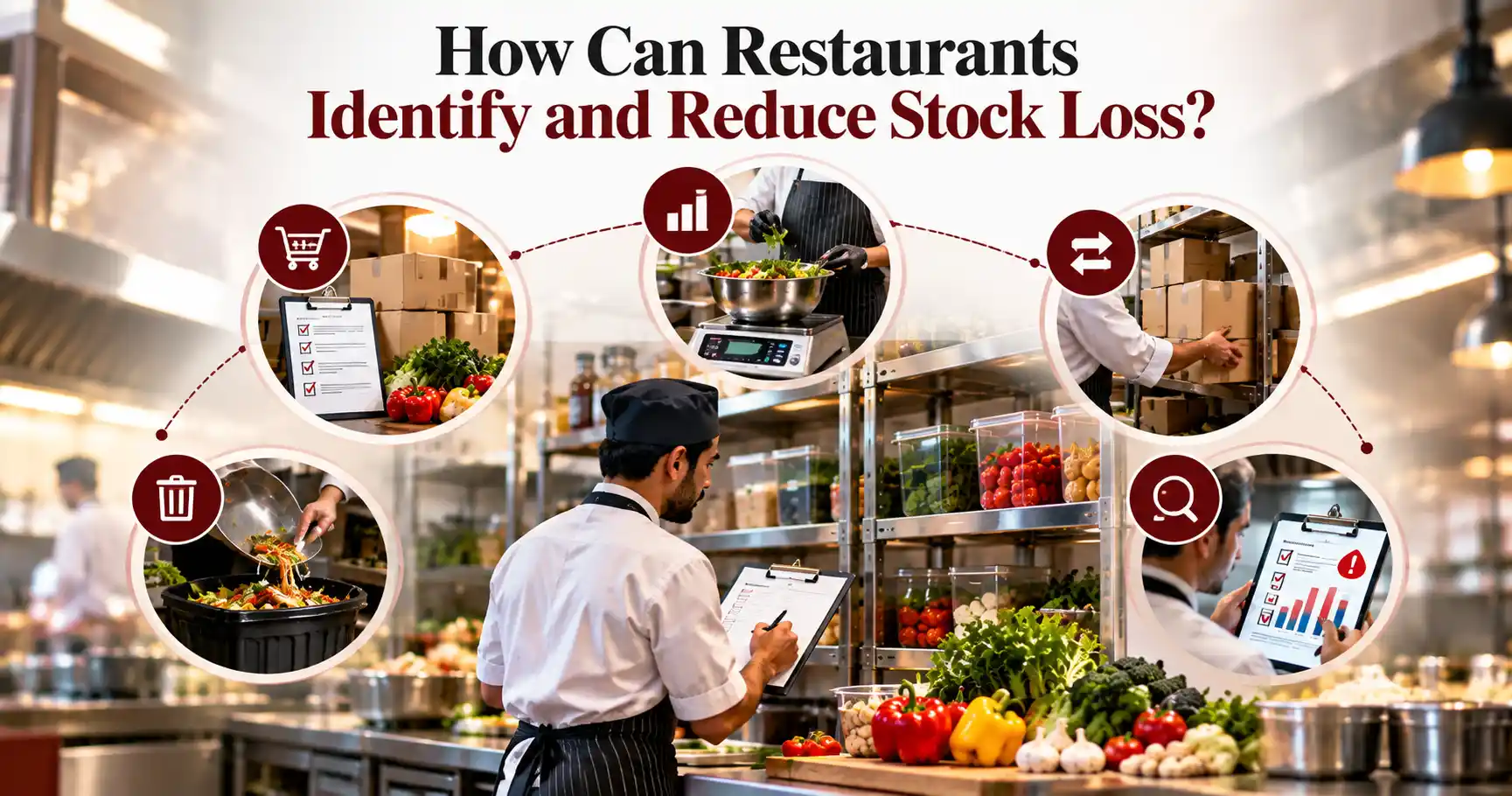
Stock loss becomes easier to investigate when every inventory movement is recorded consistently.
Compare Purchases with Received Stock
The quantity ordered and the quantity actually received should be checked. Differences at the receiving stage can affect the entire inventory record.
Track Ingredient Consumption
Restaurants should understand how much of each ingredient is being consumed through daily operations.
Record Transfers and Adjustments
When stock moves between storage areas or restaurant locations, the movement should be recorded. Adjustments should also have a clear reason.
Record Wastage Separately
Wastage should not be mixed with normal consumption. Separating the two makes inventory analysis more meaningful.
Conduct Physical Verification
Digital records should periodically be compared with actual stock. This helps identify discrepancies that may otherwise remain unnoticed.
Investigate Variances
When physical stock does not match the expected quantity, the difference should be reviewed rather than simply adjusted away.
The Restaurant Inventory Control Formula
A simple inventory calculation can help restaurants understand their expected closing stock:
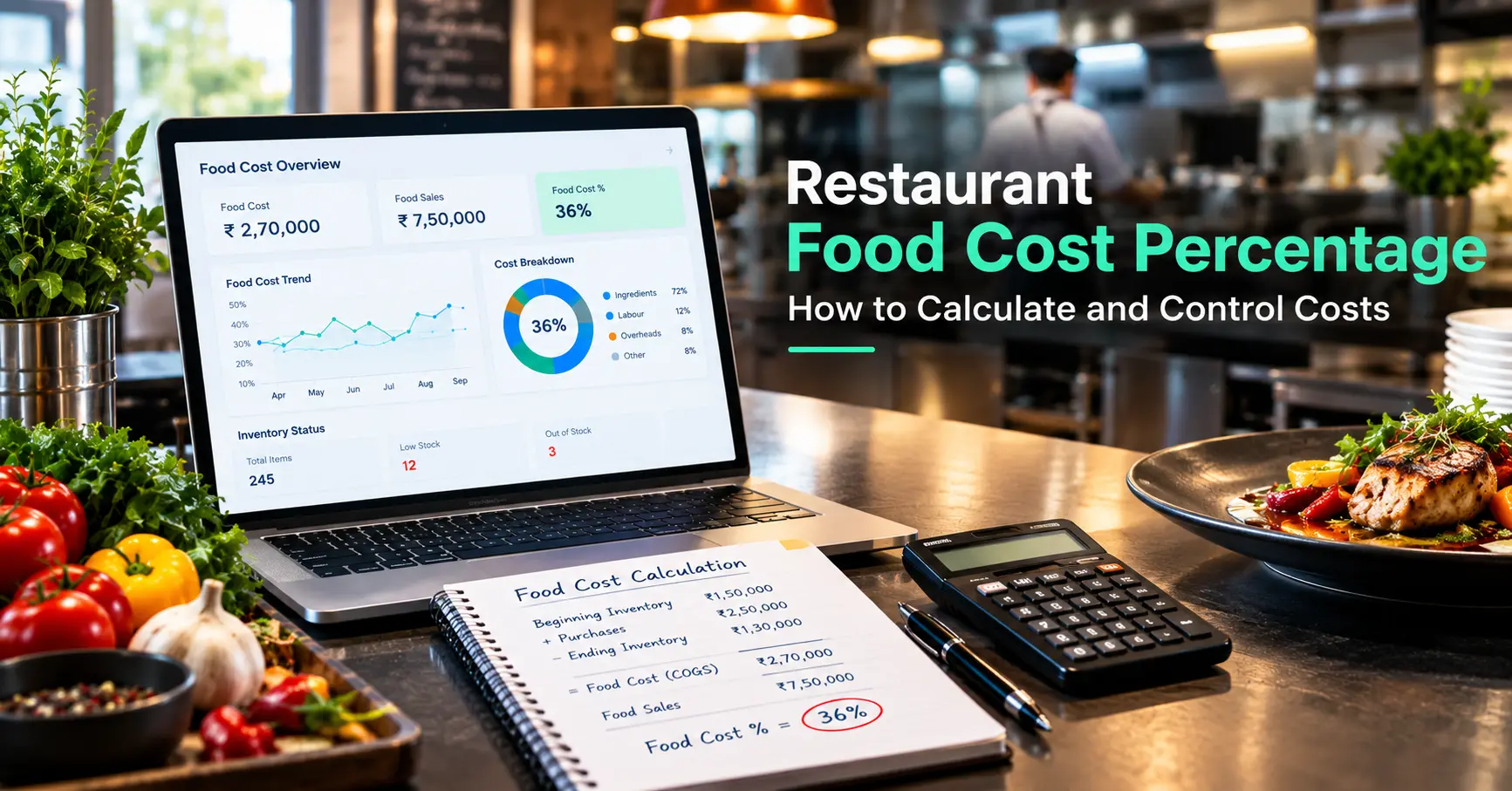
Opening Stock + Purchases + Transfers In − Consumption − Wastage − Transfers Out = Expected Closing Stock
Example
Suppose a restaurant starts the day with 50 kg of an ingredient.
- Opening stock: 50 kg
- Purchases: 30 kg
- Consumption: 45 kg
- Wastage: 5 kg
- Transfers out: 0 kg
Expected closing stock:
50 + 30 − 45 − 5 = 30 kg
If the physical count shows only 26 kg, there is a 4 kg variance that needs to be investigated.
Possible reasons could include:
- Unrecorded wastage
- Incorrect consumption records
- Receiving differences
- Unrecorded transfers
- Counting errors
- Other inventory adjustments
The purpose of this calculation is not to assume why the difference occurred, but to give the restaurant a starting point for investigation.
A Practical Example: How Inventory Data Can Reveal Waste
Consider a restaurant that frequently purchases a particular fresh ingredient.
The purchasing records show regular orders, but the restaurant continues to find unused quantities during stock checks. Some of the ingredient is eventually discarded.
Instead of simply reducing the next purchase, the restaurant can review the complete inventory movement:
Purchases → Opening Stock → Consumption → Wastage → Closing Stock
This can reveal a pattern such as:
- Purchasing is higher than actual usage.
- The ingredient remains in storage too long.
- Wastage is not being recorded consistently.
- Preparation quantities are higher than demand.
- Closing stock is not matching recorded inventory.
The appropriate solution may involve adjusting purchase quantities, improving stock rotation, changing preparation quantities, or recording wastage more accurately.
What Should Restaurants Review Every Week?
A weekly inventory review can help managers identify recurring problems before they become larger operational issues.
Focus on:
- High-value ingredients – Check expensive items more closely.
- Frequently wasted items – Identify ingredients that are regularly discarded.
- Stock variances – Compare expected and physical quantities.
- Purchase patterns – Review items being purchased more frequently or in larger quantities.
- Slow-moving ingredients – Identify stock that remains unused for longer periods.
- Stock adjustments – Review why inventory quantities were changed.
- Closing stock – Compare recorded stock with physical quantities.
This creates a regular review cycle instead of waiting until a major stock discrepancy appears.
How Restosoft Supports Restaurant Inventory Control
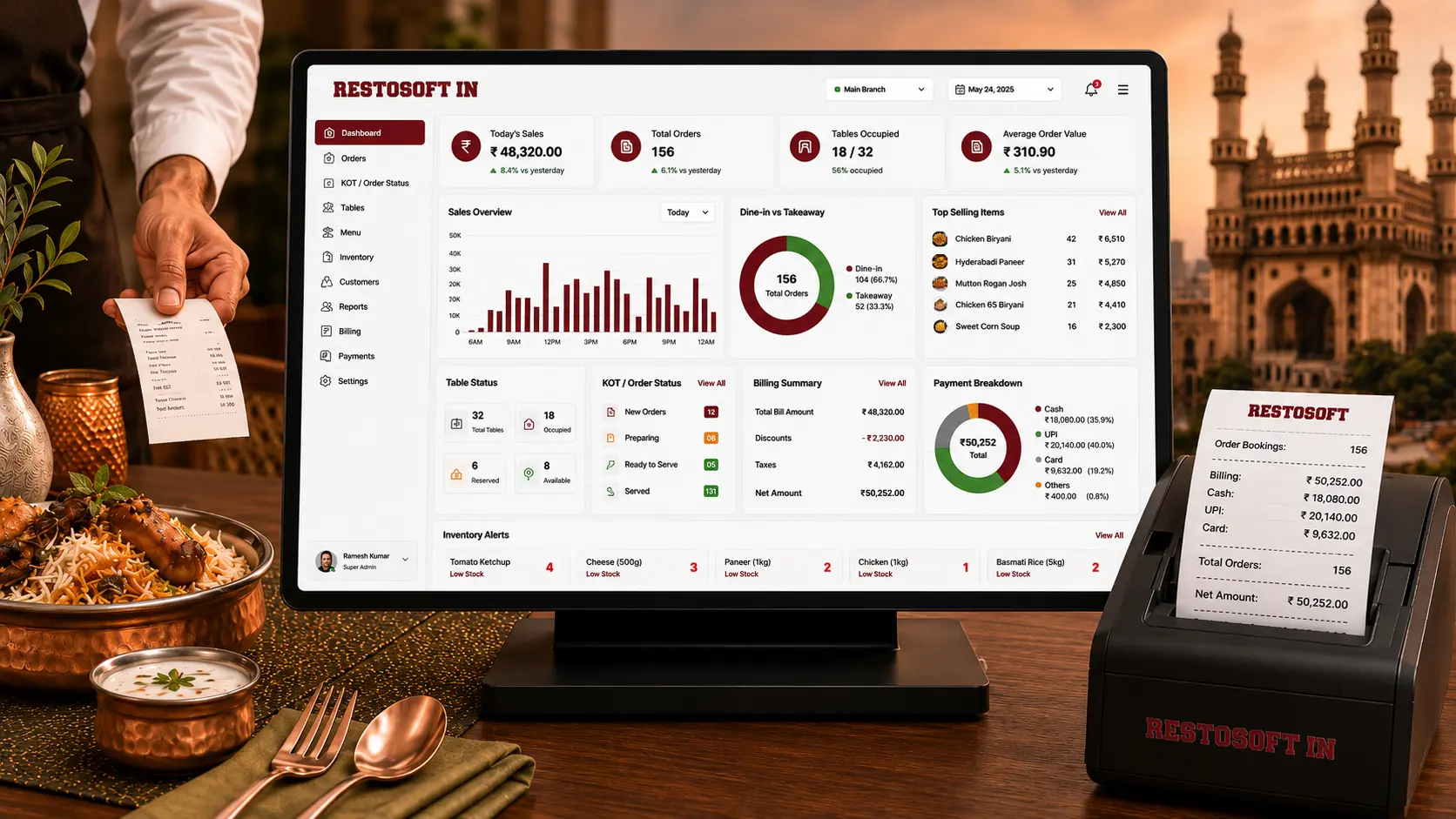
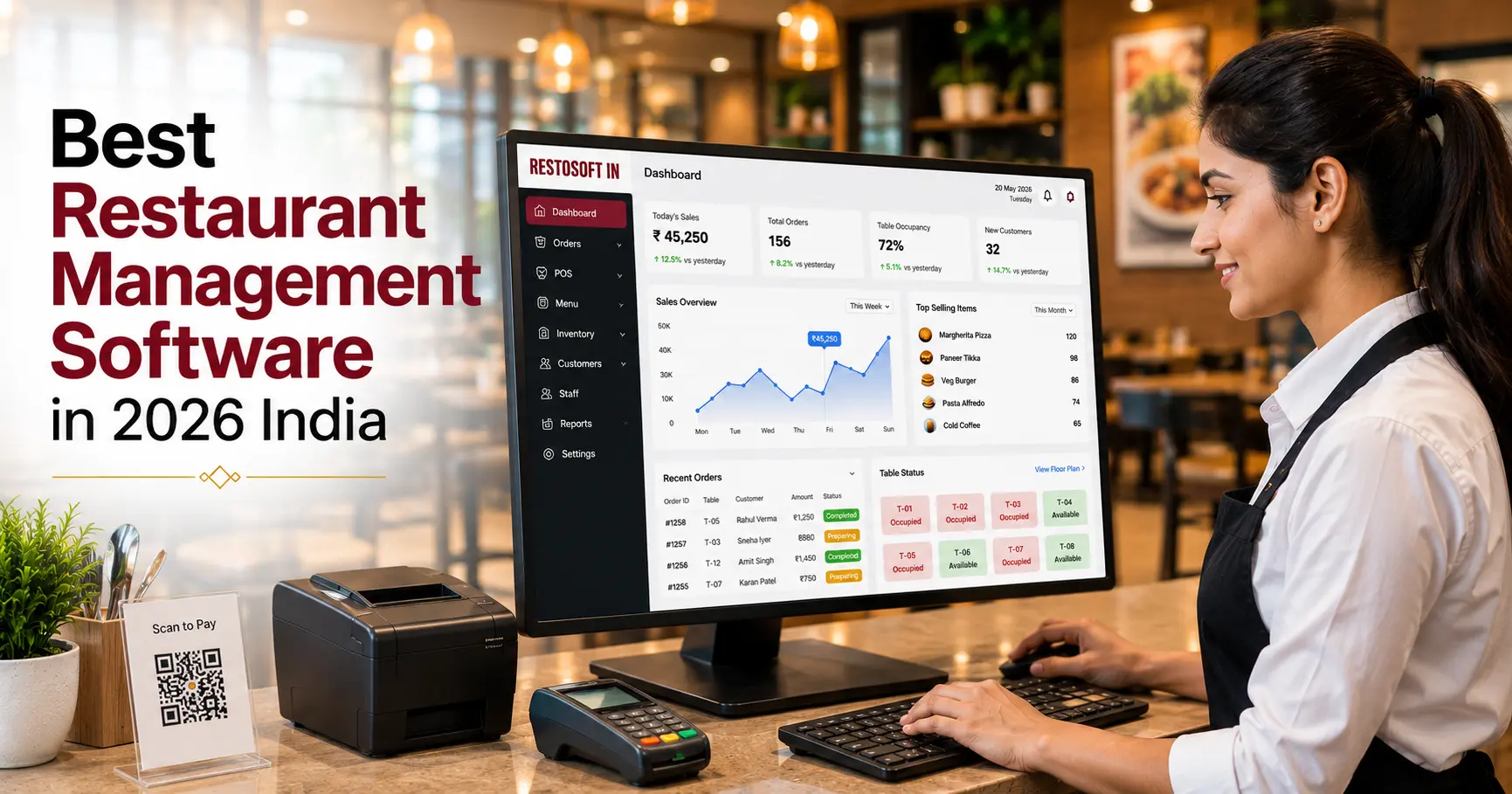
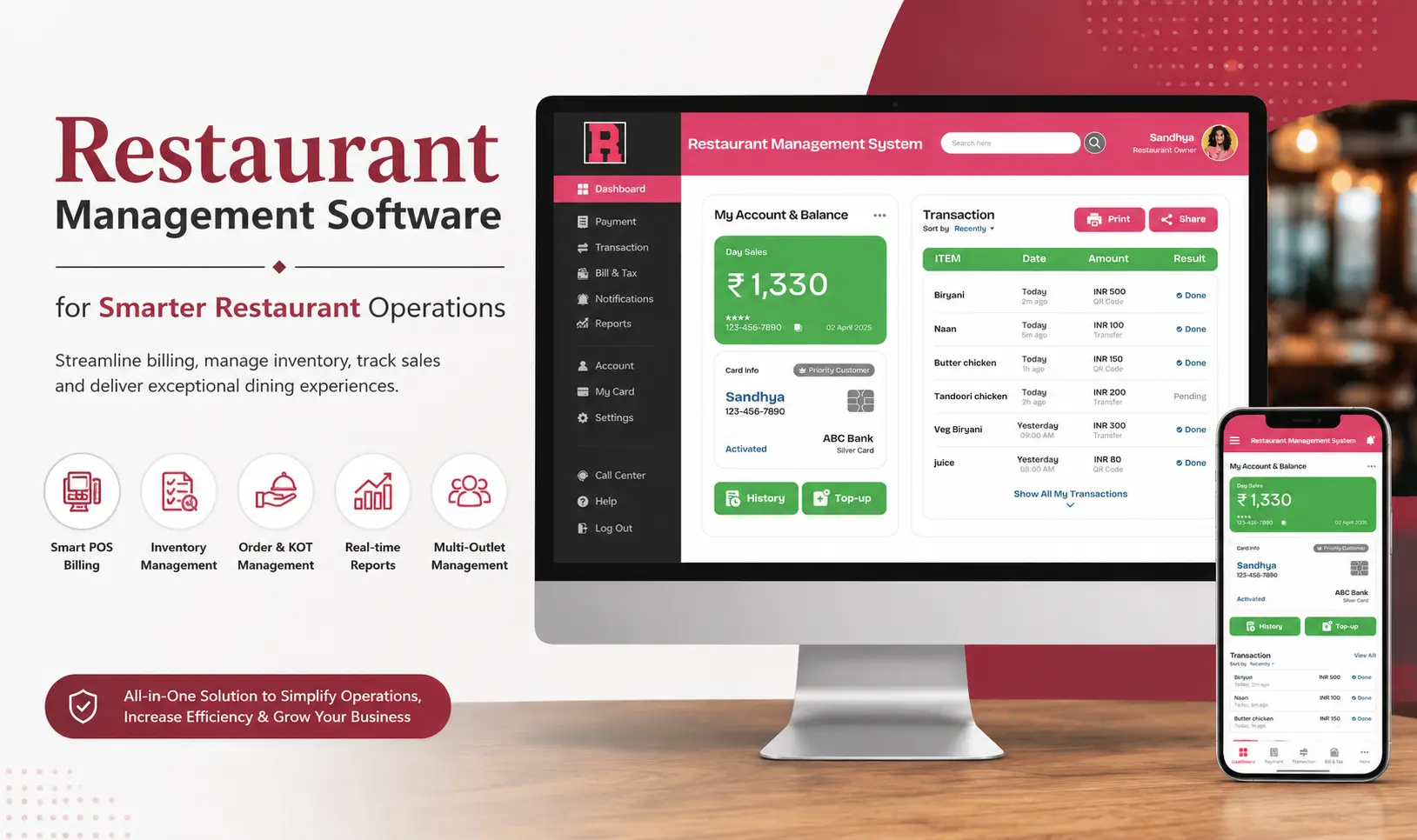
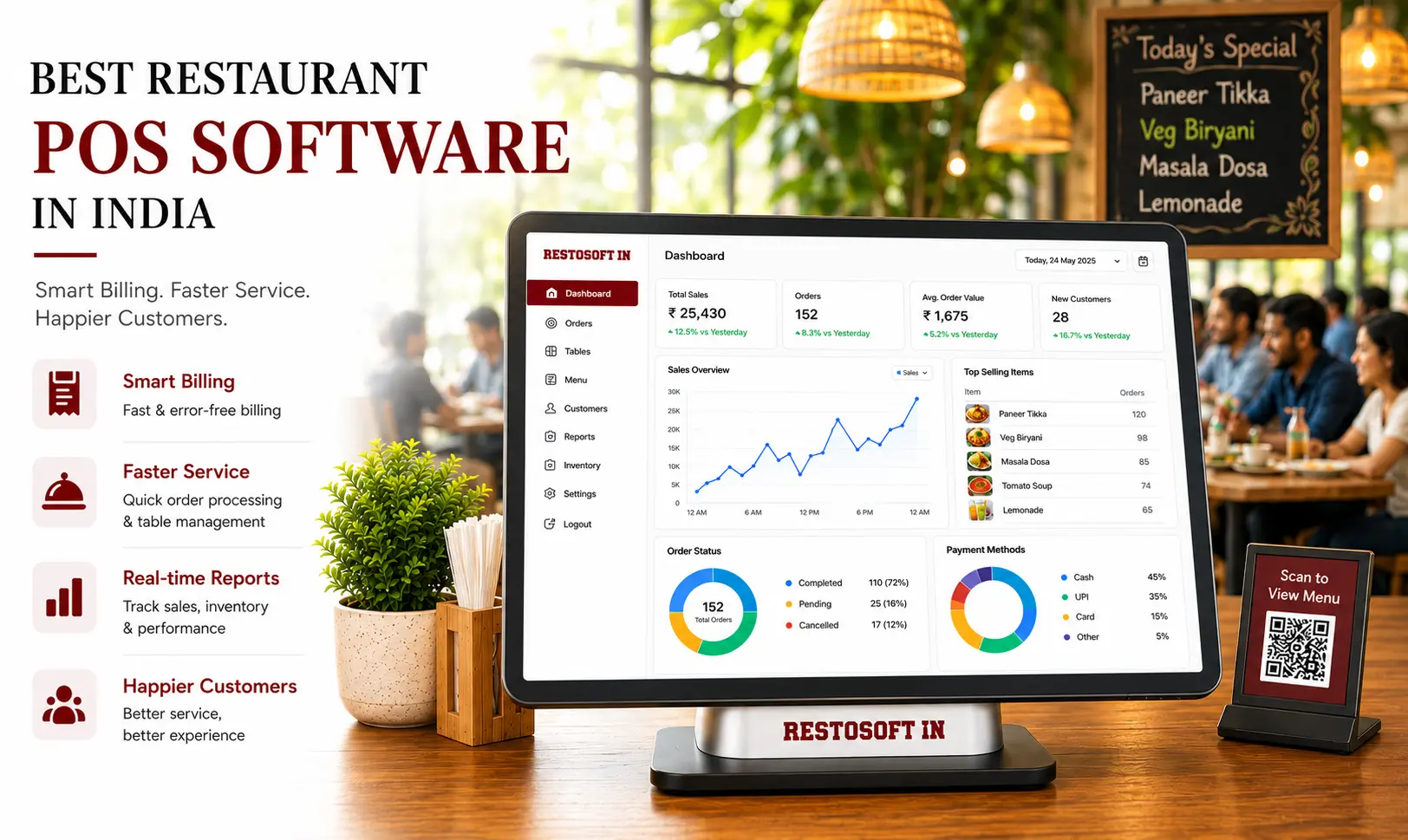
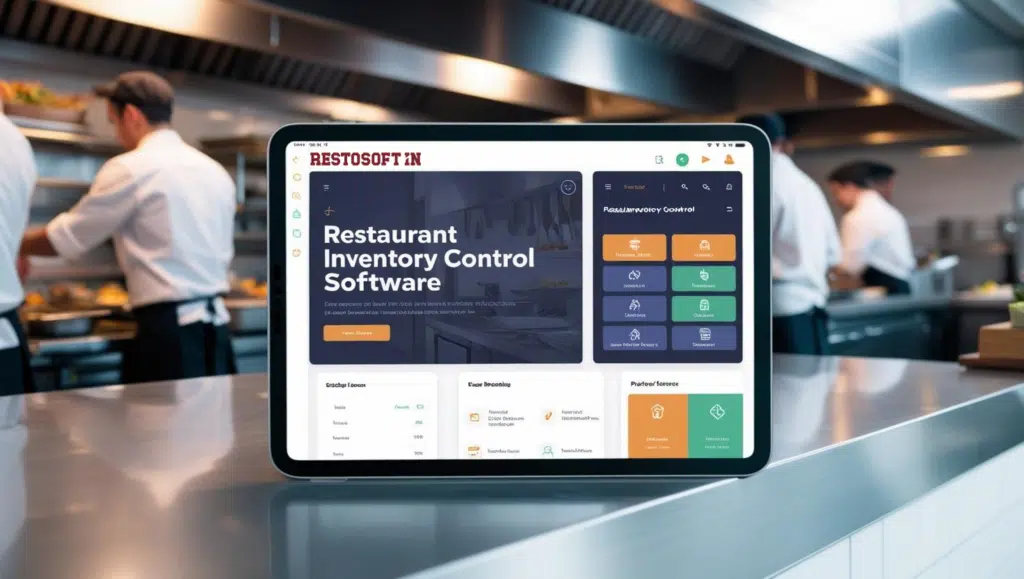
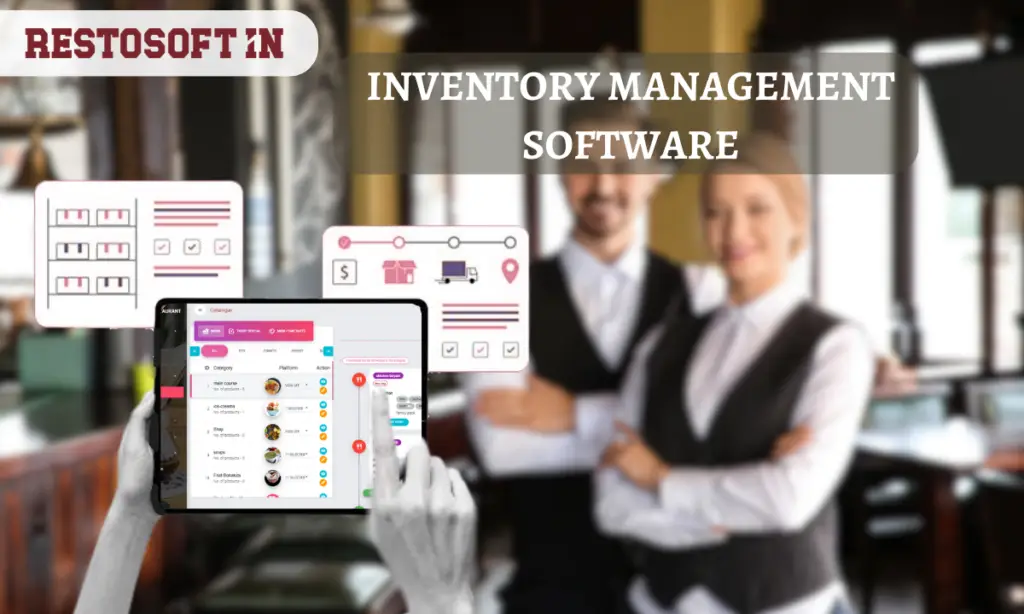
Restosoft provides restaurant inventory management capabilities for updating stock, managing recipes and ingredient usage, monitoring purchases and sales, reviewing stock movement, and conducting stock inspections. Its inventory system also supports identifying differences between actual stock and recorded levels.
Restosoft website also highlights item-wise automatic deduction, real-time low-stock alerts, and day-end inventory reports, giving restaurant teams greater visibility into daily stock activity.
For restaurants focused on controlling food waste and stock loss, these capabilities can support:
- Ingredient usage tracking – Monitor how inventory is being consumed.
- Stock updates – Keep inventory quantities updated.
- Purchase and sales monitoring – Review transactions that affect inventory.
- Stock movement visibility – Understand how inventory changes over time.
- Inventory difference checks – Compare actual stock with recorded levels.
- Low-stock visibility – Identify items that may require attention.
- Day-end reporting – Review inventory information as part of daily operations.
Restosoft also provides inventory-related reporting capabilities around ingredient costs and wastage, supporting restaurants that want to review food-cost and waste information as part of their operational analysis.
Choosing the Right Restaurant Inventory Software
The right inventory software should fit your restaurant’s daily workflow, from purchasing and stock tracking to ingredient usage and reporting.
Turn Inventory into Better Restaurant Control
Stop relying on scattered registers and spreadsheets. Restosoft helps you track stock, ingredient usage, purchases, and inventory movements in one place making daily inventory control easier and more accurate.
Reduce Stock Gaps. Improve Restaurant Control.
Request Your Free Restosoft Demo
Call: +91 99495 76667
Final Thoughts
Better inventory control starts with visibility. Restosoft helps restaurants track inventory more consistently, reduce manual work, and make better day-to-day stock decisions.